Investigations by The New York Times and Agence France-Presse (AFP) link the shredded plastic waste on Paphos beaches to the recycling industry in the Adana region of Turkey. The data indicate that up to 93% of microplastics in the Mediterranean come from waste shredded at these centres.
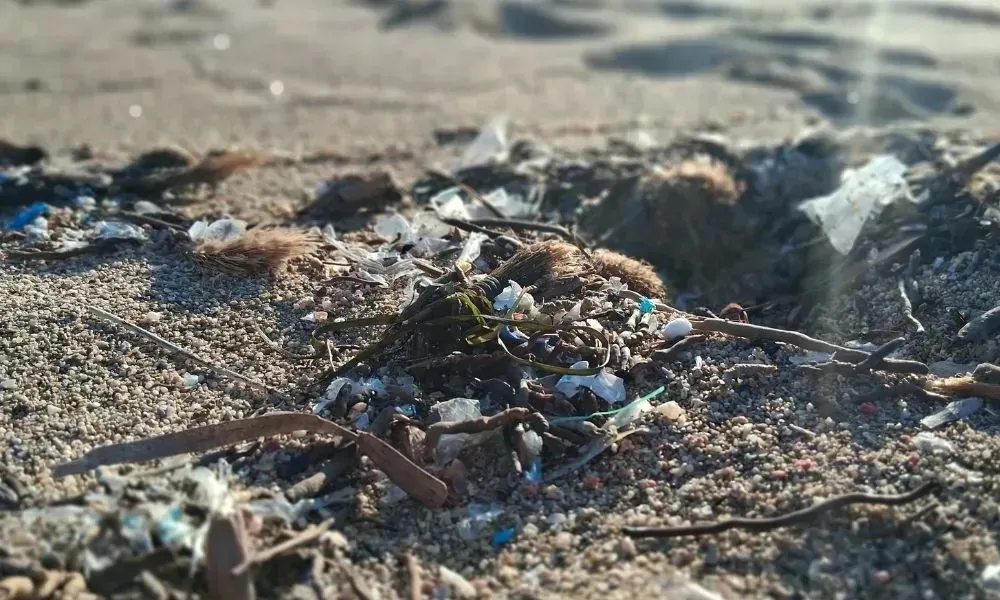
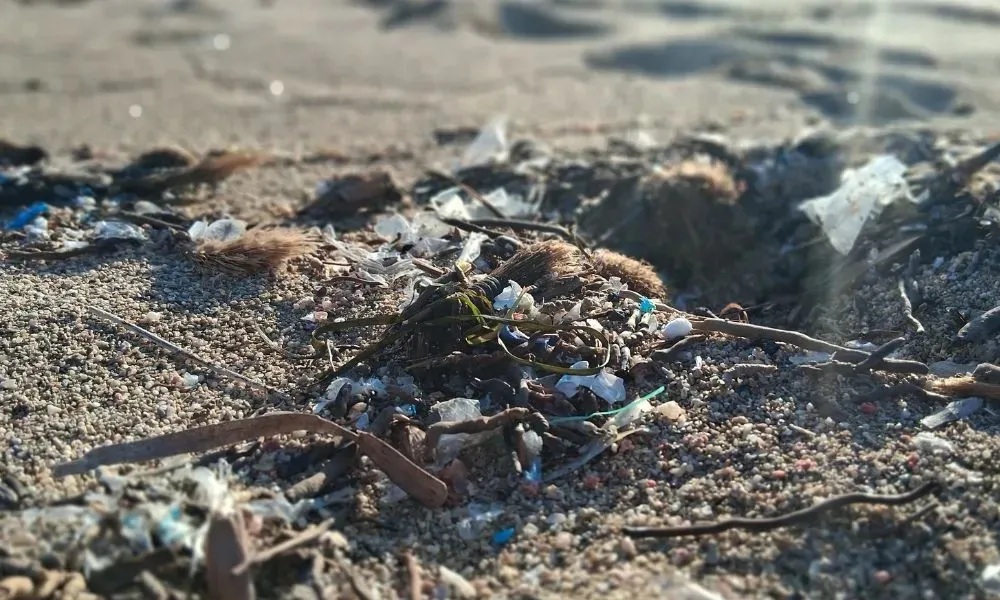
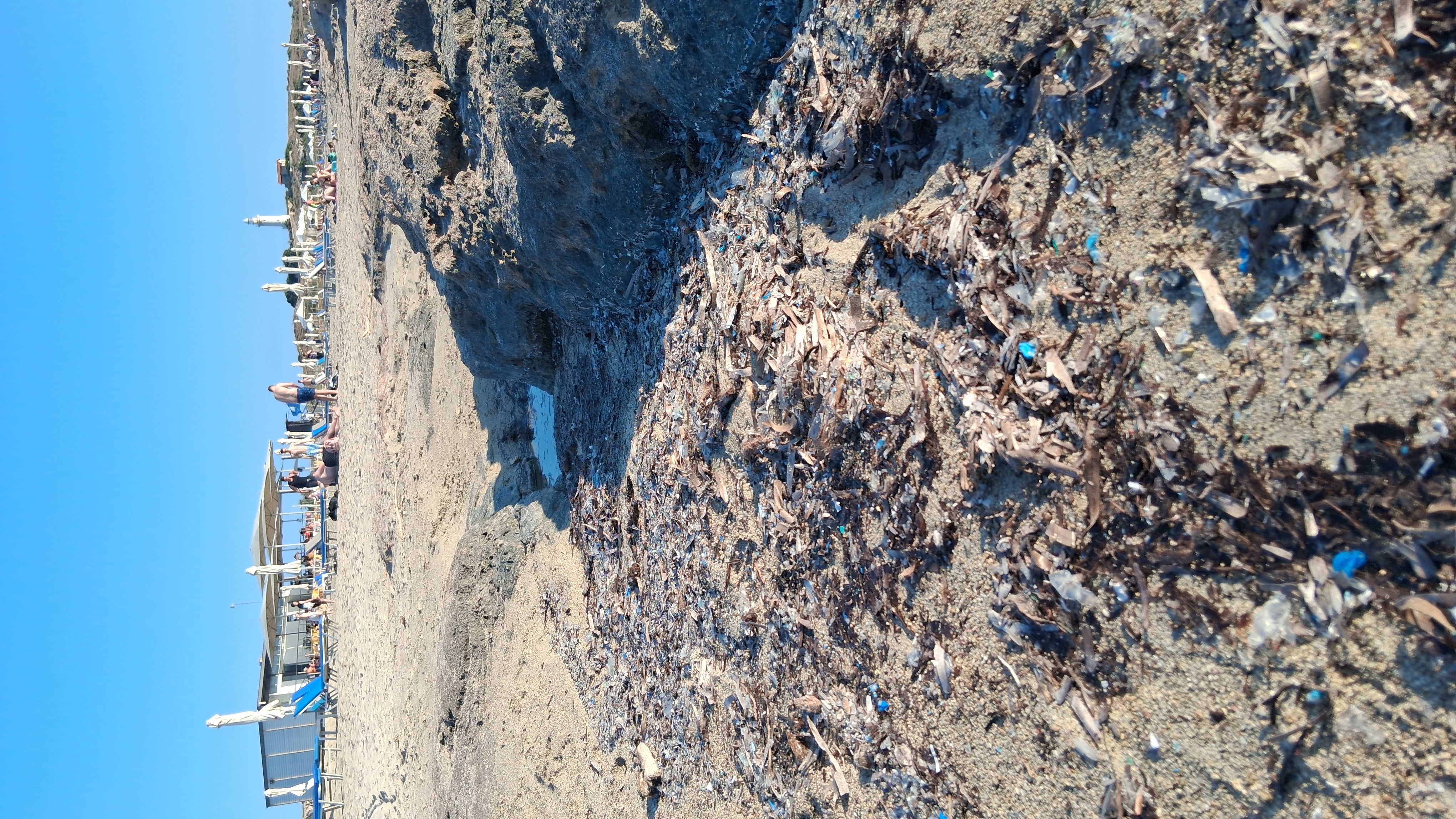
The UN Climate Change Conference (COP31) is being held this week in Antalya, Turkey. To coincide with it, a detailed New York Times report sheds new light on marine pollution in the region. The investigation focuses on the large industry recycling European plastics around Adana, in southern Turkey. It helps piece together the puzzle of the shredded plastic on Cyprus’s western beaches. Last summer the plastic was recorded at Polis Chrysochous, at Lara beach in Akamas, at Coral Bay in Peyia and at Faros beach in Paphos. It drew complaints from residents and tourists.
The New York Times report, titled “How Europe’s Trash Ends Up on Turkey’s Beaches,” was published on 9 November. It is based on on-the-ground reporting along the beaches and canals around Adana. The area has become a major centre of Turkey’s recycling industry. It is also a place where the environmental consequences of unregulated plastic waste management are increasingly visible. According to trade data cited in the report, European countries sent Turkey a record of more than 700,000 tonnes of plastic waste last year:
- around 510,000 tonnes from the EU
- 140,000 tonnes from the United Kingdom
Most of it ended up at plants in Adana.
[Photo caption] Last summer, Cyprus’s western beaches, from Polis Chrysochous and Akamas to Peyia and Paphos, were sending out a distress signal. Pictured: shredded plastic from beaches in Paphos Municipality.
Not all waste is recycled: into the Mediterranean via the Seyhan River
The shipments were meant for recycling plants. These plants process plastic and turn it into new materials such as bags, irrigation pipes and plastic pellets used in industrial production. However, not all the waste imported into the country is recycled. Significant quantities end up in the environment, together with waste produced by the country’s own residents. Local officials, scientists and industry workers say that burning, uncontrolled dumping and plastic residue flushed into wastewater are among the practices contributing to the pollution.
According to the report, the consequences are visible across the wider area. Plastic waste clogs irrigation canals, puts pressure on wastewater treatment plants and is often burned, filling neighbourhoods with smoke. Some plants do not have the equipment needed to remove plastic from their wastewater. As a result, the plastic ends up in canals and sewerage systems.
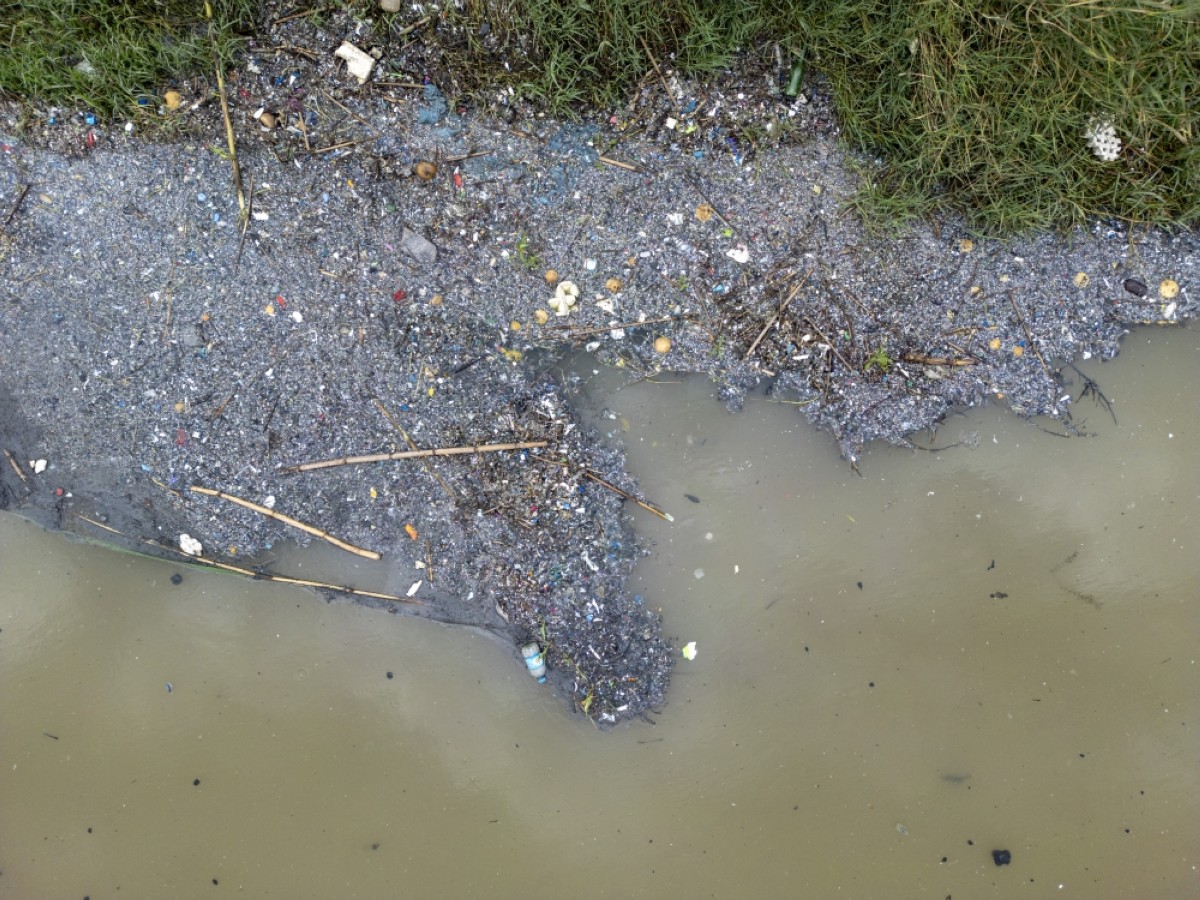
The waste does not stop at the canals. South of Adana, small pieces of coloured plastic enter the region’s main drainage network. This network connects to the Seyhan River, which flows into the Mediterranean.
A 400-kilometre journey and the link to Cyprus
According to the report, the pollution appears to be spreading over longer distances. Scientists have found plastic residue from the shredding process on the beaches of Antalya, around 400 kilometres west of Adana. Olgaç Güven, an oceanographer at Akdeniz University, says similar debris has appeared on the region’s coastline over the past two summers.
Shredded plastic residue also swept over beaches in western Cyprus last summer. These beaches lie at roughly the same distance from Adana as Antalya does.
Last June, Politis and other media reported on a meeting held at Paphos Municipality under the Deputy Ministry of Shipping. The deputy ministry coordinates action on marine pollution. Officials at the meeting said in general terms that one possible cause was waste carried from neighbouring non-European countries, such as Turkey, through coastal landfills and rivers. They based this on markings found on pieces of plastic. It was therefore decided that the Deputy Ministry would activate the Mediterranean water quality communication system, in which Cyprus takes part, so that the relevant authorities in nearby third countries could be informed.
Questions for the government
The questions now are how far any investigations by the competent services of the Republic of Cyprus have progressed, and what specific steps the Ministers of Environment and Shipping intend to take through the EU. Those steps would need to tackle plastic discharges into the Mediterranean from Turkey’s recycling plants, especially since the European Union itself is the main supplier of this waste. Otherwise, Cyprus’s beaches, and tourism along with them, will remain under constant threat.
“Up to 93% of microplastics in the Mediterranean come from waste shredded at recycling centres”
Statements made in an AFP report also deserve attention. The report, titled “Turkish province in despair after becoming Europe’s plastic dump,” was published on 10 November 2026 to mark the opening of COP31 in Antalya.
Marine biologist Sedat Gündoğdu of the Microplastics Research Group (GRM) said the particles are carried by rivers and floods from Adana into the Mediterranean. He noted that their build-up along the Turkish coastline was visible this summer.
“We measured microplastic concentrations in the Mediterranean up to 65 times higher than previously recorded levels. Up to 93% comes from waste shredded at recycling centres,” he told AFP.
The same report states that an EU ban on exporting plastic waste to non-OECD countries, which takes effect on 21 November, is expected to increase the waste sent to Turkey even further. Turkey is an OECD member.
“The gates of hell have opened”
In the New York Times article, Turkish oceanographer Olgaç Güven says he fears that marine pollution could hurt Turkey’s tourism. The sector earned the country $65 billion last year. “The gates of hell have opened,” he told the New York Times journalists. He said he feared polluted beaches would discourage tourists.
According to the report, Turkey’s Environment Minister Murat Kurum maintains that the waste found on the beaches had been imported illegally. He says the businesses responsible were penalised or forced to stop operating. He has also said that recycling plants need additional imports of plastic waste to meet the industry’s needs.
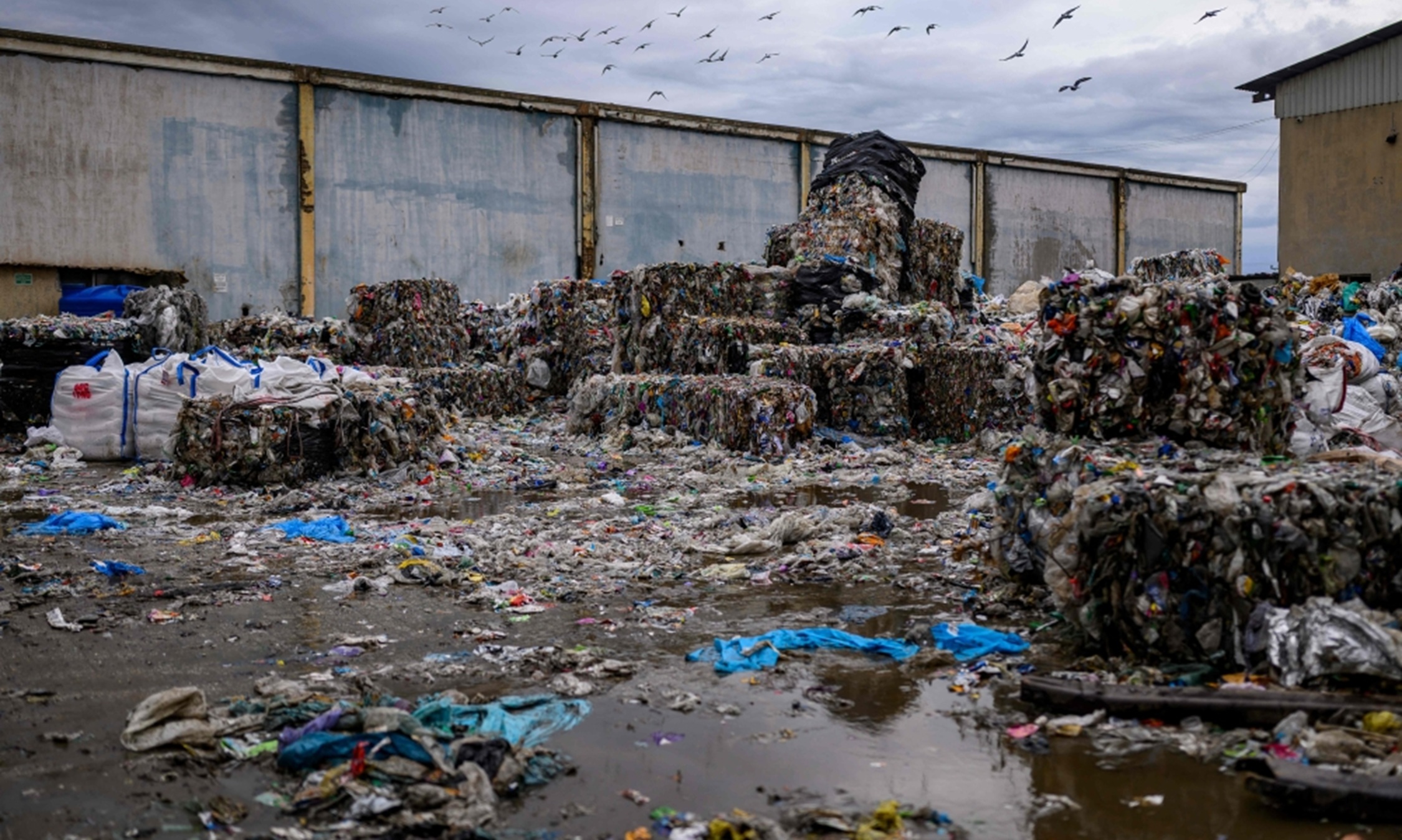
The New York Times journalists report that the European Commission says EU waste exports are subject to strict rules. The Commission says it monitors whether importing countries can manage the waste in an environmentally sound way. However, the journalists note that in one of its assessments the Commission acknowledged that more evidence is neededon how effectively imported waste is managed, despite stricter Turkish environmental legislation.
For environmentalists in Turkey, the issue is not limited to illegal practices by some businesses. It concerns the whole model of exporting waste from wealthier to less developed countries. Sedat Gündoğdu, a marine biologist and author of the study on Adana’s canals, described European waste exports as a form of “colonialism.” In his view, it allows more developed countries to pass the environmental and health costs of their waste on to less developed ones. “This is not recycling. It is the transfer of pollution,” he said.