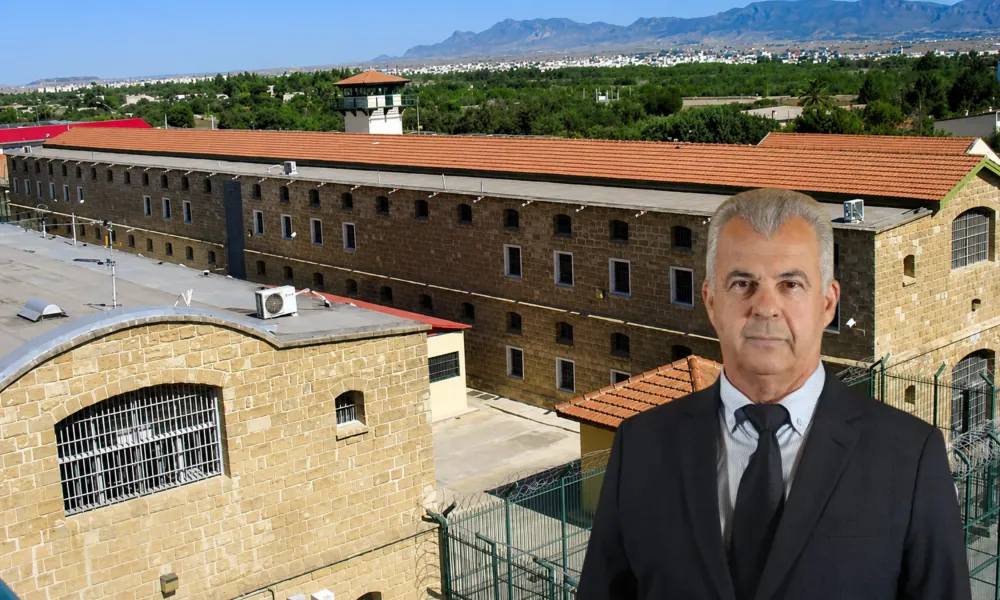

A special report by the Audit Office on the living conditions of prisoners sets out the problems that have built up at the Central Prisons. Its findings come from a surprise inspection carried out at the prison.
The report clearly identifies the problem of overcrowding. It also describes unacceptable living conditions, with mattresses on the floor and beds made from crates, and an uneven number of prisoners per cell, with some cells holding one prisoner and others three or four. Together with other significant issues, these make up the volatile climate inside the Central Prisons.
The Audit Office stresses that overcrowding does not account for all the weaknesses identified. According to the report, the unannounced on-site visit found unacceptable living conditions in specific wings, including:
- serious shortcomings in cleanliness
- the presence of pests
- inadequate ventilation
- prisoners exposed to passive smoking
- extremely limited personal space
- improvised beds made from crates
Prisoners also told the Audit Office that powerful groups of inmates exist and that there have been incidents of intimidation. Remand prisoners, inmates serving short sentences, those serving long sentences and lifers are still held together, which limits the scope for individual management. The report also notes that the limited presence of prison guards in living areas increases the risks to effective supervision and protection of prisoners.
Prison population up 87%
On 6 July 2026, the Central Prisons held 1,169 people. Their maximum normal operating capacity is 927, and their emergency capacity is 1,077.
On 1 September 2017, the prison population stood at 625. That means it has grown by 87% in roughly a decade.
According to Eurostat data for 2024, Cyprus had the highest prison occupancy rate in the European Union. The Council of Europe's Committee for the Prevention of Torture (CPT) continues to describe overcrowding as one of the most serious and persistent problems in the Cypriot prison system.
101 prisoners in single cells
Some wings operate at more than 150% of their designed capacity. In some cases, three or four prisoners were living in cells measuring 5.5 square metres. During the on-site visit, prisoners were found sleeping on mattresses on the flooror on improvised beds made from plastic crates.
Despite the severe overcrowding, 101 prisoners were found to be living alone in cells on 19 December 2025. Further checks showed that in a number of these cases there was no adequate record of the reasons for single occupancy, which in some cases had lasted more than 20 months. Nor was there any evidence that the need for it was reviewed regularly.
Dedicated facility for children not yet operating
According to the Audit Office, a dedicated detention facility for children, as provided for under the Children in Conflict with the Law Law of 2021, is not yet in operation.
On 6 July 2026, the prison held 44 people under the age of 21, including two children under 18 held on remand. The young men are held in a separate wing, but the exercise yard is small, and they can use the larger sports facilities only at set times.
The lack of a dedicated facility limits the full implementation of the legal framework, which provides for rehabilitative, educational and therapeutic treatment.
Hygiene conditions in Wing 10A
During the Audit Office officials' visit, some cells were found to be in a particularly poor state of cleanliness, with the problem most acute in Wing 10A.
One cell visited by the inspection team was especially problematic. Its cleanliness and hygiene fell well short of the basic requirements for decent and hygienic accommodation in a prison. The report states that such conditions are incompatible with the obligation to ensure basic standards of decent and hygienic accommodation, regardless of the difficulties caused by overcrowding.
Prisoners in Wing 10A also reported fleas and/or bedbugs in their living quarters.
Justice ministry response
The Ministry of Justice and Public Order said it is treating the Audit Office's findings and recommendations on the Central Prisons with due seriousness. It stressed that "efforts to improve detention conditions began long before the report was made public, with important decisions taken and specific interventions launched".
"Until the new prison complex is completed, our obligation is to exhaust every possibility of improving existing conditions, with method, persistence and daily monitoring of the implementation of decisions," the ministry said in a statement commenting on the special report.
The ministry added that "the aim is not to manage the image of the problems, but to solve them".