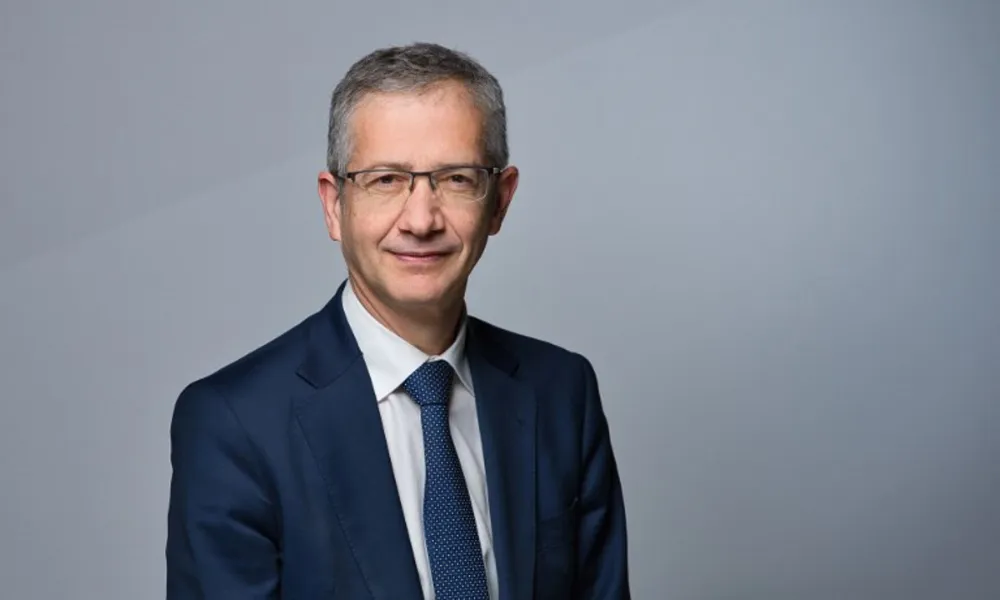

Pablo Hernández de Cos is expected to become the next President of the European Central Bank (ECB), according to sources familiar with the discussions cited by the Financial Times. He has secured the support of a majority of eurozone countries to succeed Christine Lagarde in February.
Netherlands withdraws its candidate
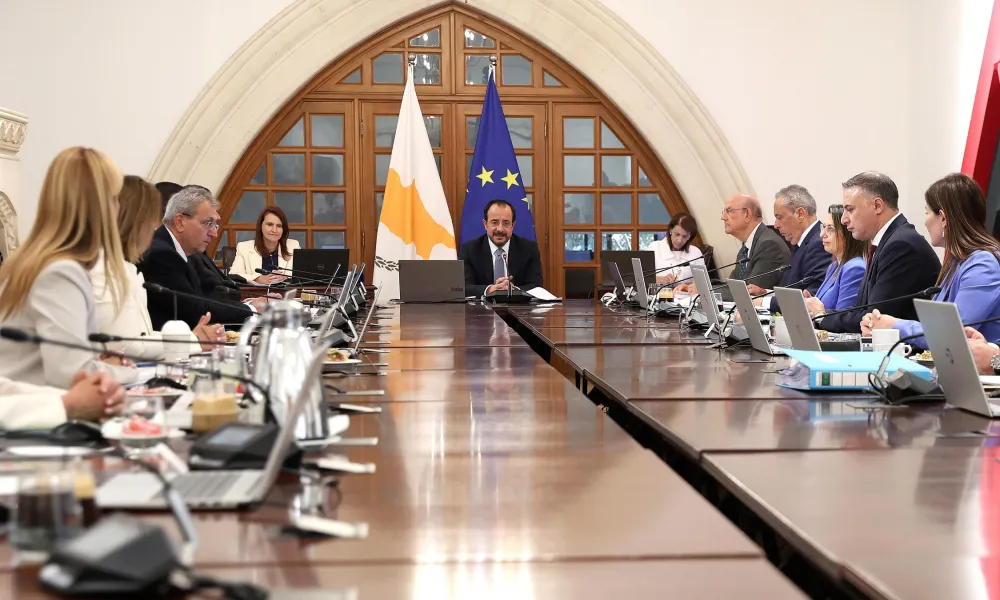
At Thursday's summit in Brussels, the Dutch government announced that it would back the Spanish economist, according to two people briefed on the discussion. It withdrew its support for its own candidate, Klaas Knot, former governor of the Dutch central bank and de Cos' only rival for the post.
The Netherlands had initially refused to withdraw Mr Knot's candidacy before Thursday's summit, seeking to have the ECB succession discussed at the level of EU leaders.
"I believe that Knot is better suited to the challenges of today. Especially if we take into account the rise in debt in various European countries," Dutch Prime Minister Rob Jetten said before the meeting.
However, The Hague eventually backed down, as it became clear that de Cos had secured the required support of at least 16 governments, representing 65% of the eurozone's population. According to one of the sources, Mr Jetten has told other leaders that he "will support the consensus" in favour of de Cos.
Approval process
The agreement must be formally approved by eurozone ambassadors at a meeting on Thursday afternoon, before it goes to EU leaders.
The ambassadors are expected to issue a recommendation for the three people who will take the top posts. National leaders will then endorse the recommendation, opening the way for non-binding consultations with the European Parliament. Final formal approval by the leaders is expected before Christmas.
The development sets in motion new leadership at the world's second most powerful central bank, at a time when inflation is rising again and several member states face concerns over high public debt.
The new ECB leadership
De Cos, 55, is General Manager of the Bank for International Settlements and a former governor of the Bank of Spain. He won the race after France and Germany reached an agreement earlier this month on the three top posts at the ECB.
Under the agreement:
- Laurence Boone, head of corporate and investment banking at Santander in France, will replace Germany's Isabel Schnabel on the ECB's Executive Board, taking over the market operations portfolio.
- German economist Markus Brunnermeier is expected to succeed ECB chief economist Philip Lane, whose term ends in May.
Spain welcomes the outcome
Spanish Prime Minister Pedro Sánchez welcomed the support for de Cos. This comes a few days before parliamentary elections in Spain, in which polls predict his defeat.
Referring to his former minister Teresa Ribera, now Executive Vice-President of the European Commission, and former minister Nadia Calviño, who heads the European Investment Bank, Mr Sánchez wrote on X: "In short, Spain is leading in Europe like never before."
Challenges for the new ECB president
One of the first challenges de Cos will face is rising inflation, which reached 4% in October, well above the ECB's medium-term target of 2%.
The ECB has already raised interest rates twice this year, by 0.25 percentage points each time, in June and September.
Based on pricing in swap markets, investors broadly expect:
- another 0.25-point rise at the 17 December meeting, bringing the key rate to 2.75%
- at least one more similar increase next year
The ECB is also closely monitoring government borrowing costs, particularly in countries with high public debt such as France and Belgium, which are struggling to approve their budgets. France's 10-year borrowing costs reached 5% last month, for the first time since 2002.
Lagarde's early departure
Christine Lagarde will leave the ECB on 7 February, nine months before the end of her eight-year term.
She has said she wants "greater freedom to express her views" on issues beyond monetary policy. She has said she cannot "remain neutral" on political developments in France, where the first round of the presidential election will be held in April.
Ms Lagarde is also in talks with the World Economic Forum (WEF) about becoming its chair.
With information from the Financial Times