The Turkish Cypriot 'prime minister' Unal Ustel announced from Ankara on Thursday a broad energy interconnection agenda linking the north to Turkey, presenting it as "the new project of the century" and calling on the Republic of Cyprus, the European Union and the international community not to stand in its way.
The announcement came following a meeting between Ustel and Turkish Vice President Cevdet Yilmaz. Beyond the electricity interconnection via undersea cable, which has been in discussion for some time, Ustel revealed that a plan to transfer natural gas through a pipeline between Turkey and the occupied north is now also being actively promoted. He framed the gas supply as intended initially for electricity generation, with the stated aims of reducing energy costs, improving supply reliability and modernising the north's energy infrastructure.
At a joint press conference, Ustel drew a deliberate comparison with the water pipeline connecting Turkey to the occupied north, previously described as a "project of the century" when it was completed. "Water came from Anatolia. Now electricity and natural gas are coming too," he said, adding that energy connectivity through Turkey represents "the only realistic and viable route" for Cyprus. He called on the Republic of Cyprus to stop "blocking" the project and urged support for what he described as a plan to "light up Cyprus."
Licensing obstacles at ENTSO-E
Ustel acknowledged that the electricity cable faces hurdles in the European licensing process through ENTSO-E, the European network of transmission system operators for electricity, but expressed confidence that these would be overcome with Ankara's backing. His confidence sits uneasily against recent European decisions on the matter. In April, ENTSO-E rejected suggestions that it might include a Turkey-to-occupied-Cyprus cable in its ten-year development plan, stating that the Great Sea Interconnector - the planned undersea cable linking Cyprus and Greece - remains the only interconnection project for Cyprus in its planning framework. Earlier this month, a European Commission official reiterated that the Turkey-north Cyprus cable has no project of mutual interest status, cannot benefit from EU funding, and that any interconnection would require formal agreement between Turkey's transmission operator, TEIAS, and the Republic of Cyprus's certified transmission system operator.
Background: the memorandum and Aksa Energy
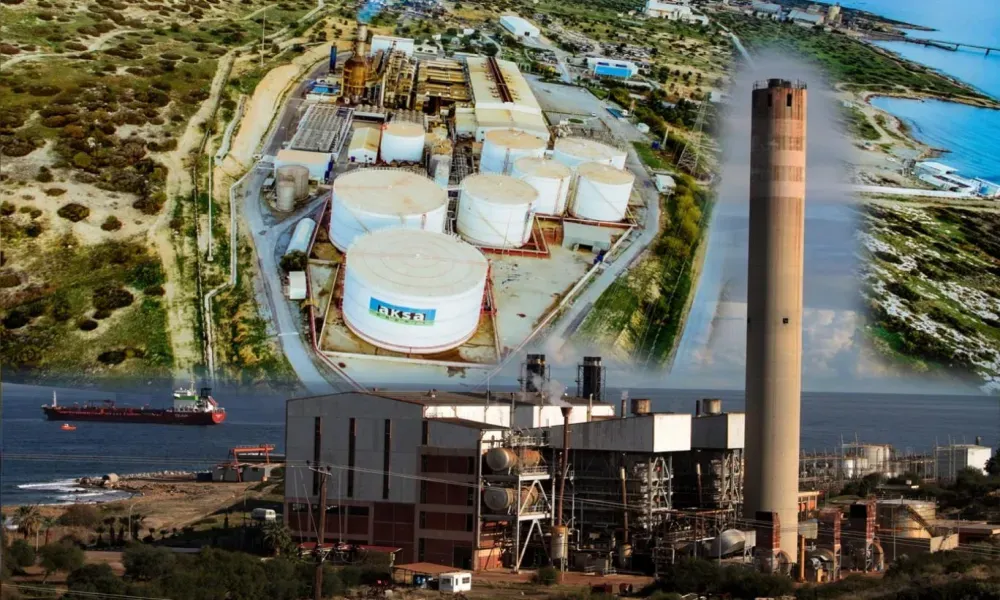
Ustel first made public references to the electricity cable plan in January, noting that a protocol had already been signed with Vice President Yilmaz to advance the project, with the Turkish energy company Aksa Energy identified as the implementing body. A memorandum of understanding on electricity, signed by Ustel and Yilmaz in Ankara on 18 July 2023 and published in the north's official gazette, commits both sides to allowing mutual electricity transfers via cable, determining an investment and operational model, conducting feasibility studies and concluding implementation protocols between the relevant authorities. On the natural gas pipeline, Turkish officials said a visit by energy authorities to the north is planned for June to advance implementation discussions, and that an intergovernmental agreement is being prepared to move the gas project into the investment phase once technical studies conclude.
The moves come as the Great Sea Interconnector, the EU-backed project that would connect Cyprus's electricity grid to Greece and end the island's energy isolation, remains stalled amid funding disputes between Nicosia and the project's backers. Cyprus currently holds the rotating presidency of the Council of the EU, a circumstance Ustel had previously cited as a source of further delay for European approvals of his plans.