Nicosia - As the European Maritime Day kicks off today in Limassol (Cyprus), marine conservation NGO Oceana is releasing the results of a new analysis of bottom trawling in Cypriot waters. The findings reveal little bottom trawling activity in Cyprus’ territorial waters (12 nm from the coast). Oceana is proposing that the government establish an exclusive coastal zone for small-scale fishers – where bottom trawling is prohibited. This measure would secure Cyprus’ coastal waters for small-scale fishers and local communities, including those dependent on tourism, with minimal impact on commercial fishing.
In 2021, the Republic of Cyprus proposed the permanent cessation, within two years, of the last two bottom trawlers active in its territorial waters, but this has not yet happened. The measure put forward by Oceana is also echoed by the Cyprus Union of Professional Coastal Fishermen.
Odran Corcoran, policy advisor at Oceana in Europe, said: “Cyprus has a clear opportunity to strengthen its coastal economy while protecting the sea it depends on. Given the limited bottom trawling activity within territorial waters, creating an exclusive coastal zone can safeguard vulnerable habitats, and support Cypriot coastal communities, at minimal cost. It would put Cyprus at the forefront of promoting the welfare of small-scale fishers, as well as marine protection in the EU and in the Mediterranean region. It's a win-win."
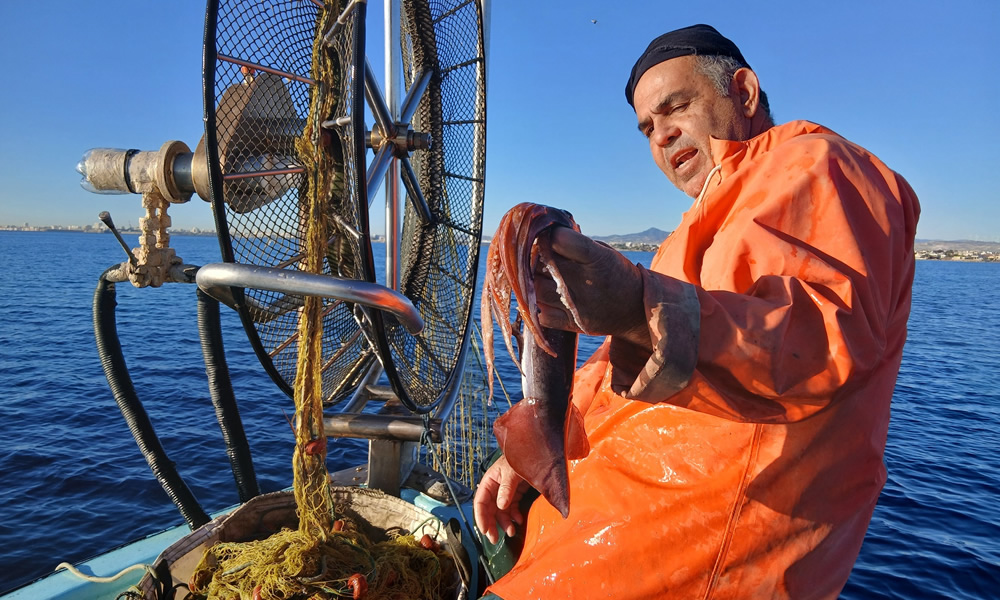
44 countries worldwide already have such preferential access areas (PAA) successfully in place, showing that they recognize the important environmental, economic, and employment benefits of PAAs for coastal communities. Oceana analysed apparent bottom trawling activity [1] between 2021 and 2025 in the territorial waters of the Republic of Cyprus, based on data from Global Fishing Watch - an international non-profit organization that uses satellite technology and vessel signals to track fishing activity.
Bottom trawling is considered to be the one of the most destructive forms of fishing, dragging heavy weighted nets across the seafloor, and indiscriminately bulldozing everything in its path, from iconic species to endangered ones, which may never recover. The analysis found that only five bottom trawlers fished in Cyprus’ territorial waters over the entire period, confirming the minimal socio-economic costs for reserving this zone exclusively for small-scale fishers.
Oceana findings at a glance, in Cyprus’ territorial waters – 12 nm from the coast (2021-2025):
● 5 trawl vessels were fishing for over 750 hours in total (over five years)
● The vast majority of apparent trawling was conducted by 2 Cypriot vessels.
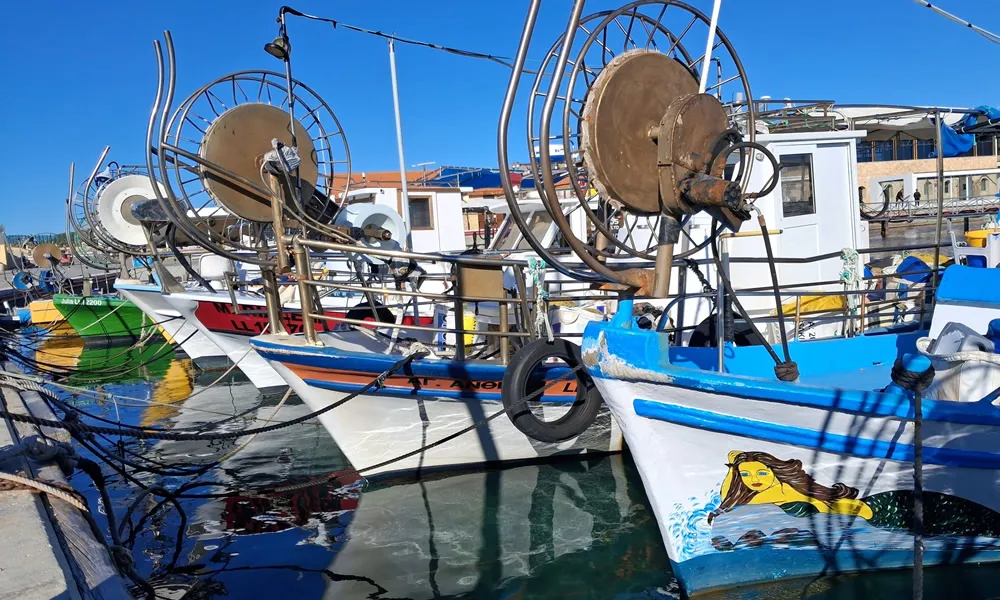
The main fishing grounds analysed were around Akrotiri Bay, the coast between Larnaca and Limassol, off Cape Gata, in Chrysohou Bay and along the coast of Paphos. Cyprus’ coastal waters are ecologically and economically valuable, home to rich marine life and important for tourism and for blue economy activities. Small-scale fishers depend on these waters. Indeed, picarel and bogue are the two most landed species targeted by trawlers, and they are also two of the top three most important species targeted by small-scale fishers in Cyprus.
Reacting to Oceana’s proposal, the Union of Professional Coastal Fishermen of Cyprus issued a statement supporting the creation of a preferential access area.
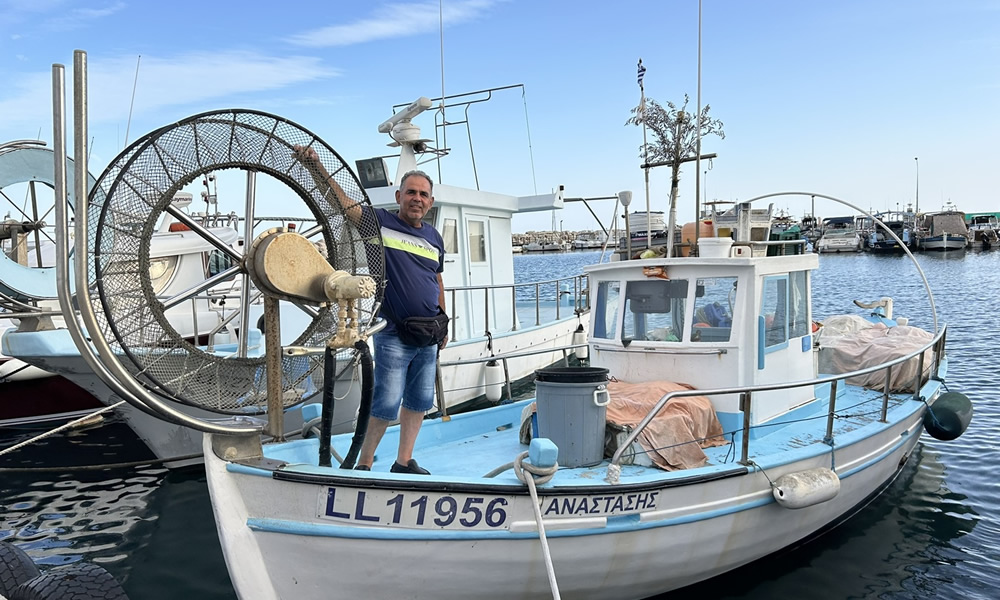
“The Union calls upon the Department of Fisheries and Marine Research to support the establishment of a Preferential Access Area within the 12 nautical miles of Cyprus. We believe this will contribute to the protection of the sea and ensure a better future for small-scale professional fishermen and their families”, said Christodulos Charalampous, president of the Union.
Prohibiting bottom trawling in Cyprus’ territorial waters is also climate-smart. It would reinforce ecosystem resilience against climate change impacts – which is urgently needed, given the accelerated rate of warming in the Eastern Mediterranean Sea. Healthier habitats, like Posidonia meadows, can better withstand higher temperatures and act as climate refuges for other species. They can also act as buffers, protecting against coastal erosion.
In addition, prohibiting bottom trawling in the 12 nm zone would also add a safeguard to much of Cyprus’ marine protected areas (MPAs) network, as most MPAs are located within its territorial waters. MPAs are areas at sea designated to protect certain vulnerable species and habitats - in the case of Cyprus, these include iconic Posidonia oceanica seagrass meadows which in turn provide feeding and nesting areas for loggerhead turtles, as well as the long-snouted seahorse - protected under the Barcelona Convention.
“As the Cypriot presidency of the Council of the EU draws to an end, and with the ocean at the heart of many political discussions, now is a good time for the Cypriot government to turn words into reality and champion the creation of an exclusive coastal zone to support healthy seas and prosperous fishers for generations to come”, added Corcoran.
Learn more:
Factsheet ‘Putting small-scale fishers first: Securing Cyprus’ coastal waters for sustainable fishing’
Contact
Emily Fairless, Senior Communications Officer
Tel.:+ 32 2 513 22 42 M: +32 478 038 490 E-mail: efairless@oceana.org
Oceana is the largest international advocacy organisation dedicated solely to ocean conservation. Oceana is rebuilding abundant and biodiverse oceans by winning science-based policies in countries that control one-quarter of the world’s wild fish catch. With more than 325 victories that stop overfishing, habitat destruction, oil and plastic pollution, and the killing of threatened species like turtles, whales, and sharks, Oceana’s campaigns are delivering results. A restored ocean means that 1 billion people can enjoy a healthy seafood meal every day, forever. Together, we can save the oceans and help feed the world. Visit www.europe.oceana.org to learn more.