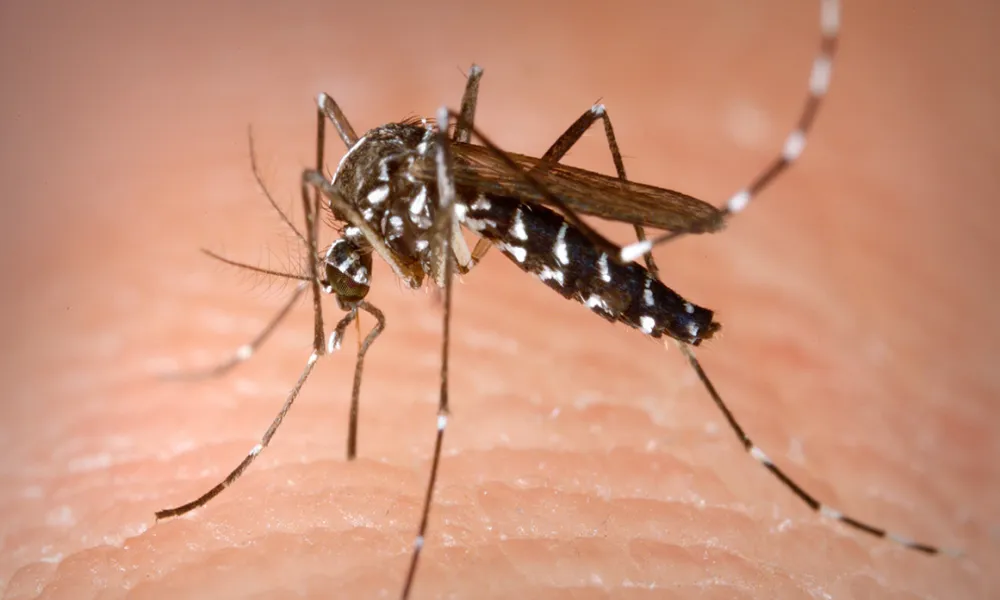

The Larnaca municipality is appealing for public cooperation in efforts to reduce mosquito breeding and limit the risk of West Nile virus transmission.
In a notice published on its official website, the municipality called on residents to remove standing water from open areas around their homes, warning that even small quantities can create suitable breeding conditions for mosquitoes.
Authorities specifically highlighted areas such as:
- Basins and containers.
- Flower pots and plant trays.
- Old tyres.
- Gutters and drains.
- Any location where water can accumulate.
The municipality noted that stagnant water remains one of the main factors contributing to mosquito reproduction.
Prevention measures intensified
Municipal authorities said a range of mosquito-control measures is already being implemented, with particular emphasis on prevention, early intervention and continuous monitoring.
As part of cooperation with the Health Ministry's Health Services, an organised door-to-door inspection programme is being carried out under the national mosquito surveillance scheme.
Municipal services are also focusing on areas where breeding sites are most likely to develop, particularly locations where stagnant water is present.
Where necessary, targeted interventions are being carried out in an effort to reduce mosquito populations and prevent the creation of new breeding grounds.
Inspections are especially intensive in residential areas located near the Larnaca Salt Lake.
Personal protection measures
The municipality is also advising residents to take steps to protect themselves from mosquito bites.
Recommended measures include:
- Installing wire mesh screens on doors and windows.
- Using mosquito nets where necessary.
- Ensuring areas around homes remain free of standing water.
"The key message is that tackling mosquitoes is an ongoing effort that requires cooperation," the municipality said.
It added that prevention, early detection and the elimination of potential breeding sites, together with the work of relevant authorities and the cooperation of residents, remain the most effective tools for limiting the problem across the municipality of Larnaca.