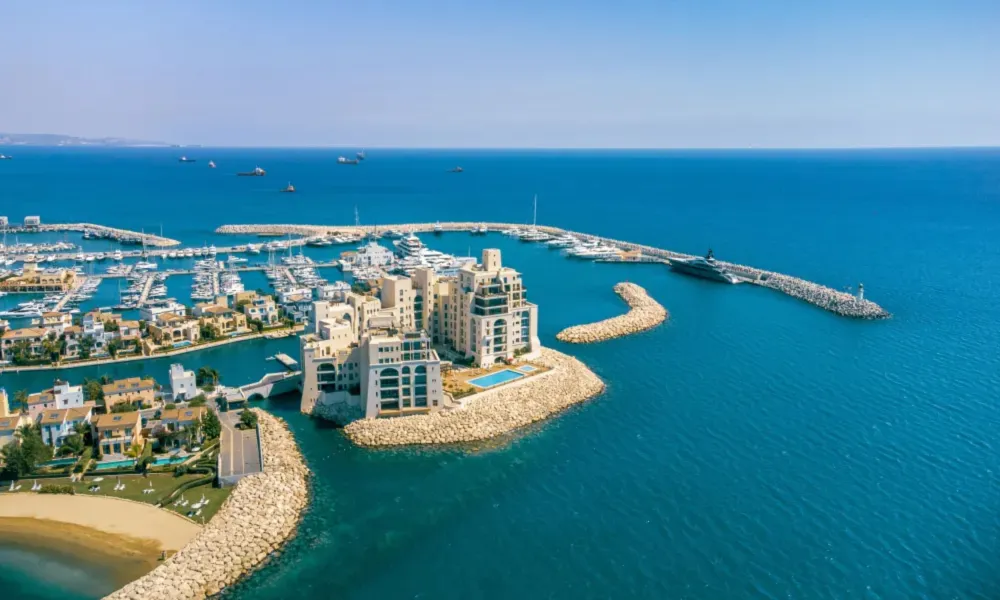

Last-minute bookings, mainly from the domestic market, helped Limassol offset losses from outbound travel during the crucial first half of August.
With hotel occupancy reaching 92% in Limassol city and approximately 90% in rural areas, the district managed to keep bed bookings close to 2025 levels, despite a difficult start to the summer season.
Limassol was affected early in the summer, while tensions around Akrotiri, which at one point resembled a conflict zone, also had a significant impact because of the area's proximity to the city.
Where visitors are coming from
"Fortunately, we had some last-minute bookings that helped bring us to roughly the same levels as last year's very successful season," PASYXE Limassol chairman Christos Tzanos told Politis.
"We still have room for improvement and can attract even more tourism to Limassol city and district. There is always scope for better results, and that is what we are working towards," he said.
Asked about conditions in the mountain resorts, Tzanos said the domestic tourism market appeared to favour those destinations this year.
"The mountains were particularly popular during the August holiday period. We also had good weather, which helped further," he added.
According to Tzanos, approximately 30% to 40% of hotel bookings in Limassol come from Israeli visitors, while a similar percentage comes from British tourists and other Europeans.
Around 20% of bookings involve Russians, Ukrainians and travellers from other eastern countries.
The picture differs in the mountain resorts, where around 60% of bookings come from Cypriots and foreign permanent residents.
Russian-speaking visitors also maintain a strong presence in mountain villages, while Israeli visitors are increasingly choosing those destinations as well.
Stable prices
One feature that distinguishes Limassol is that only a small proportion of hotels offer all-inclusive packages, according to industry figures.
This is considered important because it supports the wider local economy by encouraging visitors to spend money at restaurants, cafés and other businesses.
In the mountain resorts, most hotels provide only breakfast with accommodation, giving tourists the opportunity to spend throughout the villages and benefit dozens of local businesses.
Tzanos said hoteliers in Limassol district absorbed many cost increases this year and kept prices at the same levels as last year, helping maintain demand.
Festivals expected to boost tourism
Tzanos also highlighted the importance of major events scheduled for the coming months, particularly international festivals that have increasingly filled hotels in recent years.
"We have maintained several high-quality events, and that is reflected in tourism. Large festivals such as Beonix and the Wine Festival will help us continue attracting visitors in the months ahead," he said.
Concerns over beaches and Blue Flags
Commenting on environmental and operational issues affecting Limassol's coastline, Tzanos described the situation as highly concerning.
He acknowledged that tourists are already being affected and said the Limassol Tourism Development Company is increasing pressure on relevant authorities to take action.
He stressed that the sea must be protected and that efforts should be made to restore Blue Flag certifications, which he described as an important asset for tourism.
Tzanos also called on all competent authorities and departments to act quickly in finding solutions.