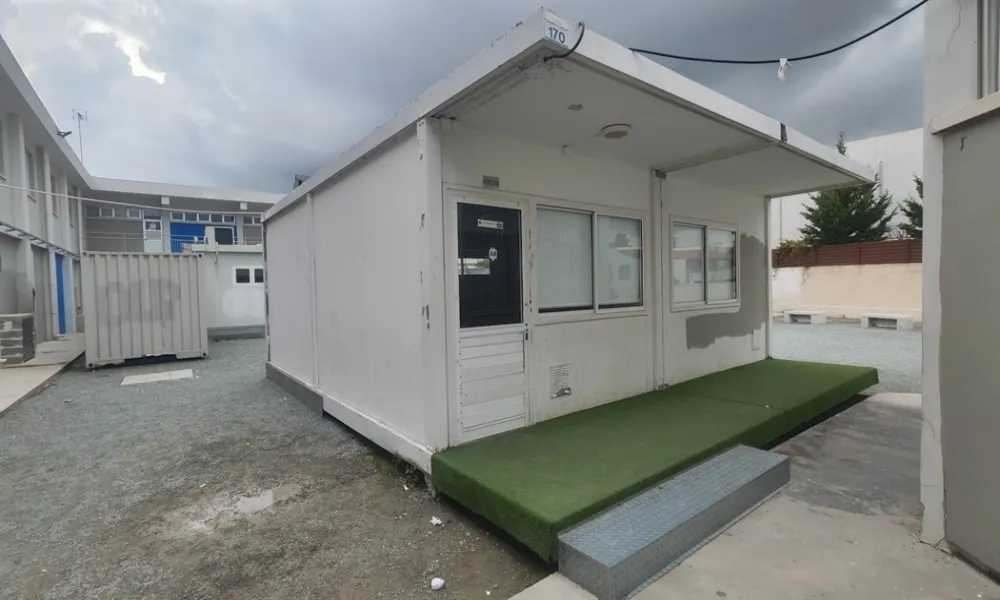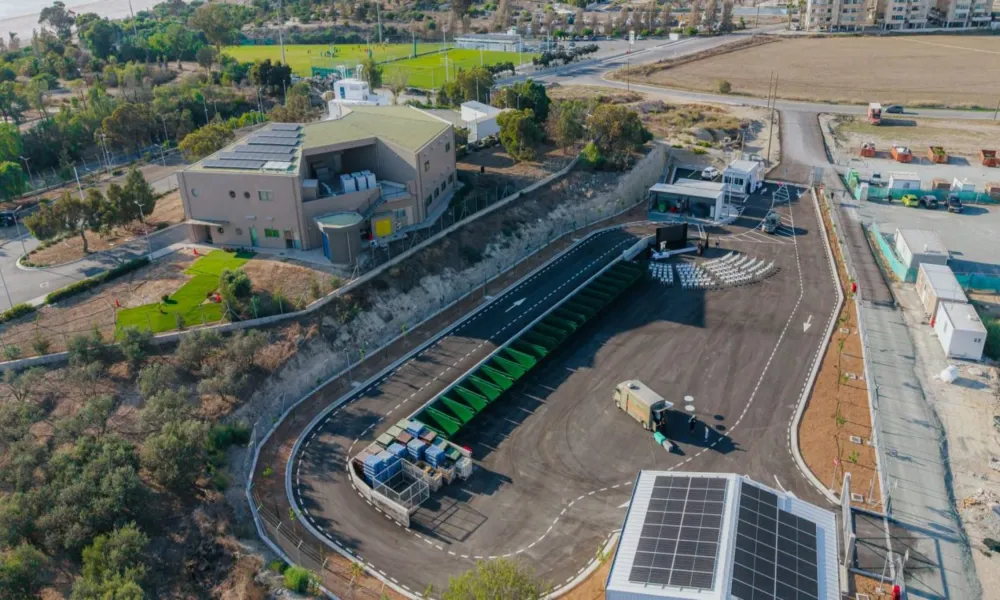

Cyprus' network of green points is facing multiple operational challenges, with stakeholders warning that the current 28 facilities, compared with the originally planned 67, are insufficient to meet demand and are contributing to continued illegal waste disposal.
During a meeting of the House Environment Committee, representatives of district self-government organisations (EOAs), municipalities and communities pointed to a range of problems affecting the national system.
Too few green points
The EOA of Nicosia, which currently manages eight green points, called on the state to secure land and funding for new facilities.
According to the Environment Directorate of the Ministry of Agriculture, only 23 green points were initially developed, with five more added later, bringing the total to 28. Plans are in place to increase the network to 36 sites through the construction of 13 additional facilities.
Authorities have also decided to establish 17 small green points serving mountainous community clusters, funded through the THALIA 2021-2027 programme.
Famagusta EOA refuses to operate four new sites
The EOA of Famagusta has declined to take over four new green points in Deryneia, Sotira, Avgorou and Ayia Napa, despite three being completed and the fourth nearing completion.
The organisation has expressed concern that local authorities may fail to pay their required contributions towards operating costs.
Officials said the issue is expected to be resolved soon after assurances from the Interior Ministry that operating costs would be deducted directly from state grants paid to local authorities and transferred to the EOA.
Complaints over unlicensed facilities
EOAs also raised concerns about temporary, unlicensed green points operated by local authorities to address gaps in the official network.
According to stakeholders, some municipalities are reluctant to contribute financially to the licensed national system because they already fund and operate their own temporary facilities.
The EOA of Nicosia called for a formal regulatory framework governing these sites, while the Union of Municipalities argued that they remain necessary until a sufficient national network is established.
Municipalities are also seeking inclusion of these facilities in the national waste-management system.
Monopoly concerns
A further issue raised was the limited number of licensed operators for certain waste streams.
The Union of Cyprus Communities said farmers and livestock producers continue to face difficulties disposing of agricultural plastics due to a lack of authorised collection and processing facilities.
Meanwhile, the Paphos Waste Disposal and Recovery Council reported that for bulky waste, there is only one receiving facility in the district, charging €150 per tonne, raising concerns about monopoly conditions and high costs.