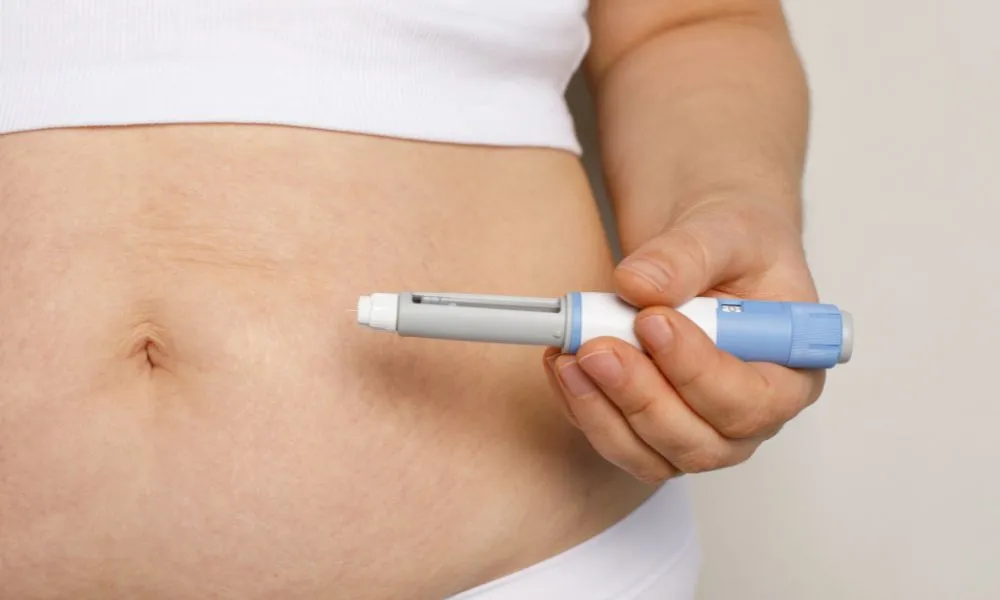

France is set to become the first country in Europe to reimburse weight‑loss medications such as Wegovy and Mounjaro, the country’s Health Minister Stéphanie Rist has announced.
“I am quite proud, because we are the first country in the European Union to offer reimbursement with standard coverage and on a permanent basis,” Rist said in an interview on French television.
Coverage to reach up to 65 percent
Officially, reimbursement will cover 65 percent of the cost. In practice, however, most patients are expected to receive full coverage, as many also suffer from related health conditions such as hypertension or diabetes.
“For the vast majority of patients, coverage will effectively be 100 percent,” the minister said.
Wegovy, produced by Denmark’s Novo Nordisk, and Mounjaro, developed by Eli Lilly, belong to a new generation of anti‑obesity drugs known as GLP‑1 receptor agonists. These treatments mimic hormones that suppress appetite, helping patients lose weight.
By late January, more than 70,000 patients in France were already receiving treatment with Mounjaro.
Cost barrier and wider access
The high cost of these therapies has been a major barrier worldwide. In France, patients have typically paid around €300 per month for the injections.
The treatments have been available by prescription since 2024, but until now were not reimbursed by the national health insurance system.
Since June 2025, France has also expanded access by allowing all doctors, not only specialists such as endocrinologists, to prescribe these medications.
Rising obesity rates
According to France’s 2024 National Survey on Overweight and Obesity, around 18 percent of the population – nearly 10 million people – are classified as obese.
Across the European Union, an estimated 51 percent of people aged over 16 are overweight, while 17 percent are obese, according to data from the European Parliament.
The move marks a significant policy shift as European governments seek to address rising obesity levels and improve access to new pharmaceutical treatments.