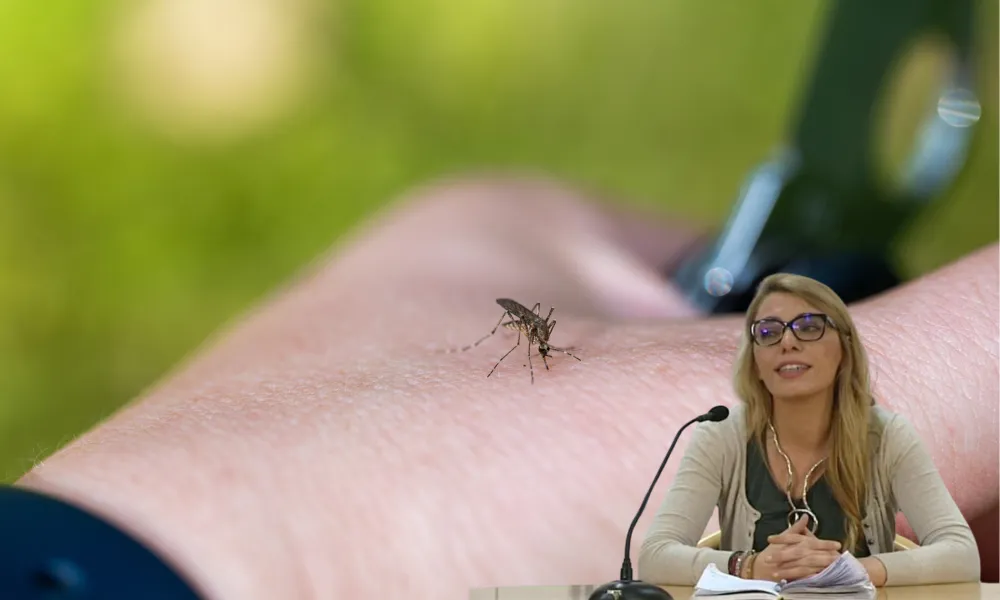

Dr Zoe Dorothea Pana, Professor of Paediatric Epidemiology and Associate Dean for Research at the University of Nicosia Medical School, sought to reassure the public following the appearance of West Nile virus cases in Cyprus, while stressing the importance of awareness, prevention and protective measures.
Speaking on Politis Radio's Morning Briefing programme with Katerina Eliadi, Pana said that the West Nile virus has effectively become established across Europe and that the appearance of cases during the summer and early autumn is something societies will increasingly have to manage.
According to Pana, the virus has become progressively more common in Europe in recent years, particularly since 2020, with isolated cases recorded every summer, mainly in countries of southern and south-eastern Europe and the Mediterranean, including Italy, Greece and now Cyprus.
It is not transmitted from person to person
Pana stressed that one of the most important facts the public should understand is that the virus is not transmitted from person to person.
Infection occurs through the bite of infected mosquitoes. These mosquitoes become infected after feeding on wild and migratory birds, which serve as the virus's natural reservoir.
According to Pana, changing climatic conditions appear to play a significant role in facilitating the spread of the virus.
Warmer winters, wetter spring seasons and broader climate changes are creating conditions that favour mosquito infection and, consequently, increase the likelihood of transmission to humans.
She noted that regions with warmer climates may increasingly experience heightened virus circulation during summer and early autumn.
Eighty per cent develop no symptoms
Pana placed particular emphasis on the fact that the overwhelming majority of infections do not result in serious illness.
She explained that approximately 80% of infections are completely asymptomatic, meaning individuals may have been infected without ever realising it.
However, in a very small proportion of cases, estimated at around 1%, a severe form of the disease can occur involving the nervous system.
In such cases, infection of the central nervous system, including encephalitis, may develop.
Among elderly individuals and those with underlying medical conditions, the disease can in some cases prove fatal.
Pana stressed that although the proportion of serious illness remains very small, a higher overall number of infections inevitably increases the number of people who may experience complications.
Symptoms that require urgent medical attention
Discussing severe illness, Pana explained that treatment is primarily supportive and may require hospitalisation.
She referred to a recent case in Cyprus involving a more serious infection, noting that the patient had recovered and has since been discharged from hospital.
Special attention should be paid when, in addition to the usual symptoms of a viral infection, patients develop:
- Confusion.
- Excessive drowsiness.
- Impaired mental alertness.
According to Pana, these symptoms require immediate medical evaluation.
Repellent, protective clothing and removing standing water
Pana said prevention remains the most important tool because there are currently no specific measures capable of preventing infection in advance.
Among the precautions she recommended were:
- The use of insect repellents.
- Wearing clothing that covers more of the body.
- Taking additional precautions in areas with large mosquito populations.
For elderly people and others at increased risk, mosquito nets around beds may also be beneficial.
She noted that the mosquitoes capable of transmitting the virus are most active during the night and early morning hours.
Pana also stressed the importance of removing standing water from gardens and other outdoor areas because such locations serve as breeding grounds for mosquitoes.
Even objects such as discarded tyres that collect water can become mosquito breeding sites, she said.