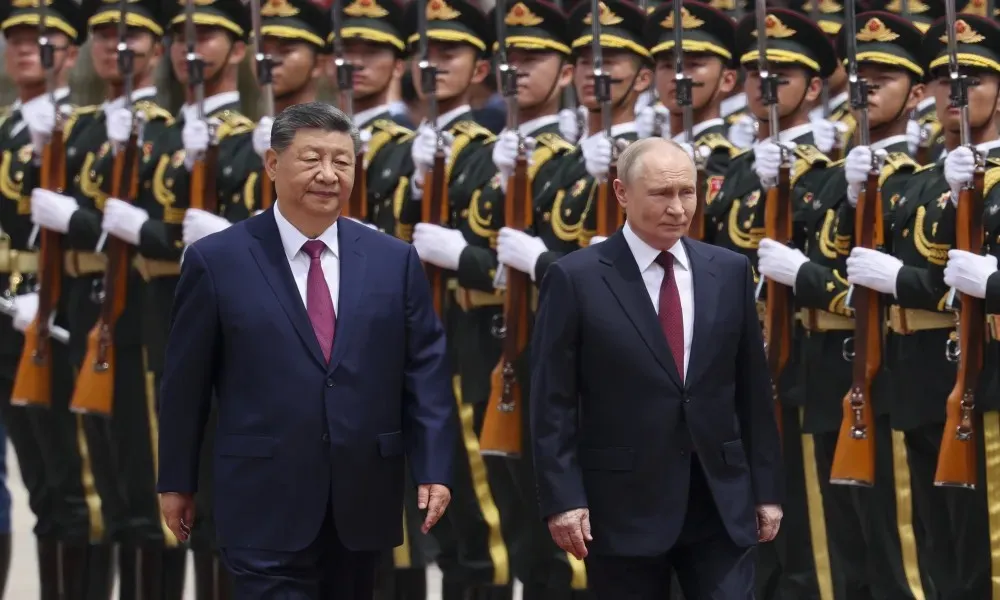

Following Donald Trump’s visit to Beijing, Vladimir Putin is the next major leader to meet Chinese President Xi Jinping, in a visit carrying significant geopolitical and energy implications amid the Middle East conflict and renewed volatility in global energy markets.
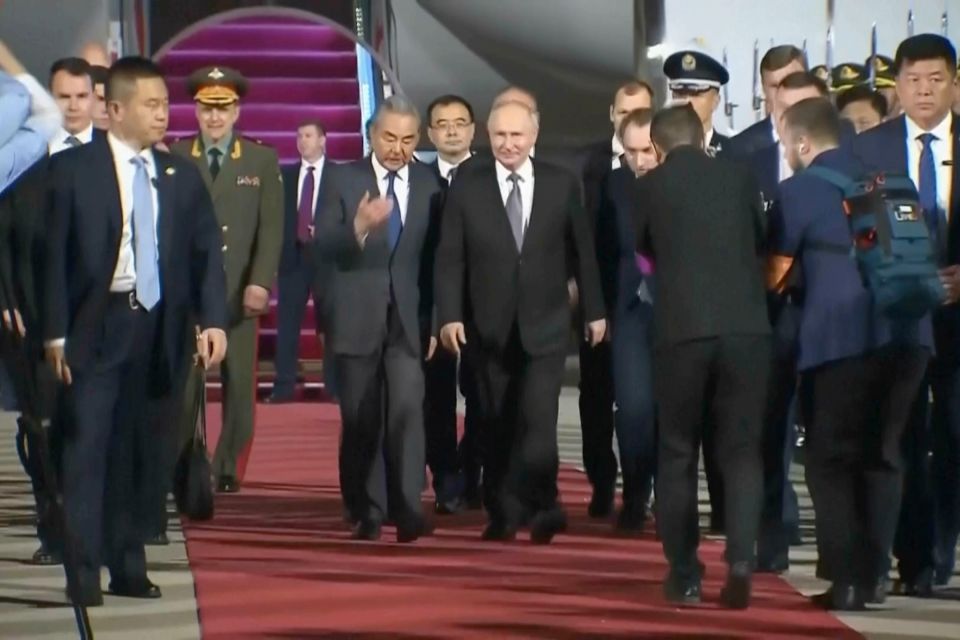
Putin received a warm welcome upon arrival in Beijing, where he was greeted by Chinese Foreign Minister Wang Yi, with ceremonial scenes reflecting the close ties between the two countries.
Attention now shifts to the meeting between Putin and Xi, as both leaders aim to stabilise bilateral relations while maintaining broader strategic balances, including ties with the United States.
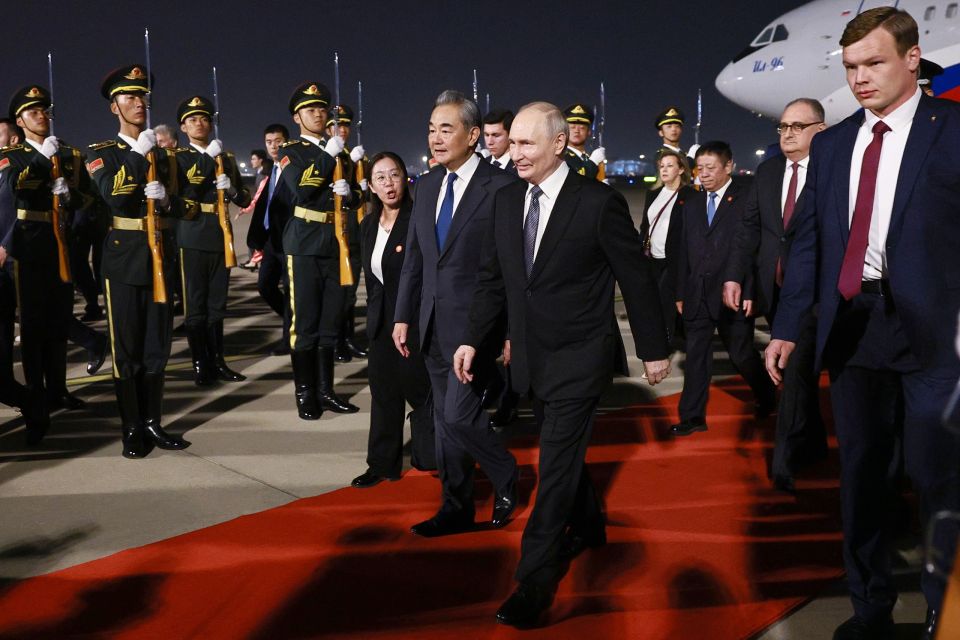
The Kremlin has indicated that discussions will focus on economic cooperation, as well as key international and regional issues. The visit coincides with the 25th anniversary of the Sino‑Russian Treaty of Friendship signed in 2001. China has become a key trading partner for Russia, particularly following Western sanctions imposed after the invasion of Ukraine in 2022.
The energy push
According to reports, Moscow is attempting to use the uncertainty caused by tensions in the Middle East to advance its long‑planned “Power of Siberia 2” gas pipeline project, which would link Siberia to China via Mongolia.
The war in the region and potential risks to the Strait of Hormuz are seen as factors that could make China more open to negotiating gas supply terms with Russia. While Chinese officials have shown some interest in accelerating talks, there has been no clear breakthrough so far.
The project remains high on the agenda, with Russian officials stating that it will be discussed in detail between the two leaders. However, progress ultimately depends on China’s position, and there are limited indications that an agreement will emerge quickly.
Energy analysts say the current geopolitical environment strengthens Russia’s role as a key supplier of raw materials to China, while Beijing continues to balance its partnerships and avoid over‑dependence on any single source.
Strategic significance
The proposed pipeline would stretch around 2,600 kilometres from northern Siberia to China and is expected to transport about 50 billion cubic metres of natural gas annually – roughly equivalent to around 12% of China’s projected gas consumption.
For Russia, the project is strategically important as it would redirect gas previously destined for European markets, where exports have sharply declined since 2022. For China, it supports energy security by diversifying supply routes away from maritime bottlenecks.
Despite its scale, progress on the project has been slow, with negotiations largely centred on pricing and long‑term terms. While Russia has submitted what it considers a competitive pricing offer, Chinese counterparts have so far shown caution.
Balance and leverage
China’s cautious stance reflects its broader strategy of maintaining diversified energy imports and avoiding excessive dependence on a single supplier. At the same time, increased purchases of discounted Russian energy have strengthened economic ties between the two countries in recent years.
If completed, the 'Power of Siberia 2' would deepen this interdependence and reinforce Russia’s position as a major energy partner, while signalling that Moscow remains capable of executing large‑scale infrastructure projects despite Western isolation.
Source: cnn.gr