
Iran has suspended the exchange of messages with the United States through mediators and is threatening to completely block the Strait of Hormuz, according to Iran's Tasnim news agency, dealing a serious blow to diplomatic efforts to end the three-month-old war.
Tasnim reported that Iran and the Resistance Front, which includes its Shia allies in Yemen, Lebanon and Iraq, have set an agenda to fully close the Strait of Hormuz and activate other fronts, including the Bab el-Mandeb Strait, in order to "punish" Israel and its supporters. If Iran's Houthi allies in Yemen open a new front, the Bab el-Mandeb, a narrow chokepoint off the Yemeni coast that controls sea traffic toward the Suez Canal, would be an obvious target.
"There will be no talks until Iran and the resistance's views on this matter are met," Tasnim said, citing the insistence of Iranian officials and negotiators on an immediate halt to Israeli military operations in Gaza and Lebanon and a full Israeli withdrawal from occupied areas of Lebanon.
Iranian Foreign Minister Abbas Araqchi reinforced the warning on X, saying that a violation on one front constitutes a violation of the ceasefire on all fronts. "The US and Israel are responsible for the consequences of any violation," he wrote, in a direct reference to Israeli operations in Lebanon.
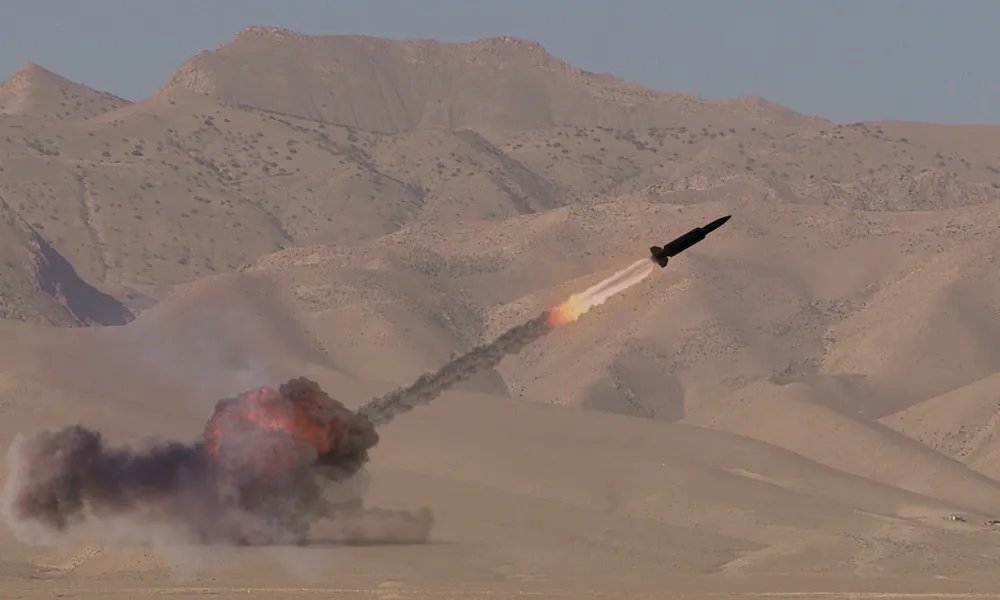
Iran said it had attacked a US air base on Monday following weekend American strikes on Iranian military targets, while Kuwait reported coming under fire from Iranian missiles and drones, dealing a further blow to a fragile ceasefire and the diplomatic efforts to end three months of war.
Oil prices rose more than 3% after the latest exchanges, with tensions compounded by Israeli Prime Minister Benjamin Netanyahu ordering troops to advance further into Lebanon against the Iranian-backed Hezbollah, in a conflict reignited by the US-Israeli war against Iran that began on 28 February.
Ceasefires under strain
The war has killed thousands of people, primarily in Iran and Lebanon, and has caused significant global economic disruption by pushing up energy prices since Iran effectively closed the Strait of Hormuz, a critical supply route for oil and liquefied natural gas. A ceasefire between the US and Iran has been in place since early April, but both sides have sporadically exchanged strikes since then, with Pakistan attempting to mediate a durable peace agreement.
Over the weekend, the US military struck Iranian air defences, a ground control station and two drones it said were threatening ships, following what it described as "aggressive Iranian actions" including the downing of an American drone over international waters. Iran's Islamic Revolutionary Guard Corps said on Monday it had struck a US air base in response, without identifying the location. Kuwait activated its air defences and condemned the Iranian missile and drone strikes, saying they were undermining regional de-escalation efforts. US forces intercepted two Iranian ballistic missiles targeting American personnel in Kuwait late on Sunday, the US military said, adding that no Americans were harmed.
Trump urges patience
In a late-night social media post, President Donald Trump said Iran "really wants to make a deal" and berated critics, including what he called "seemingly unpatriotic Republicans," for negative commentary about the negotiations. "Just sit back and relax, it will all work out well in the end, it always does," he wrote.
Iranian officials struck a different tone. Foreign Ministry spokesman Esmaeil Baghaei accused Washington of sending contradictory messages, saying negotiations had begun amid severe suspicion and mistrust. "The other party is constantly changing its views and putting forward new or contradictory demands. It is natural that this situation will prolong negotiations," he said. Foreign Minister Abbas Araqchi warned on X that a violation on one front constitutes a violation of the ceasefire on all fronts, holding the US and Israel responsible for any consequences.
Gaps remain wide
Trump faces competing pressures: he needs to reopen the Strait of Hormuz and bring down US fuel prices ahead of November's congressional elections, while also managing the risk of a backlash from Iran hawks within his own party over any concessions to Tehran. His stated primary objective is preventing Iran from developing a nuclear weapon using its highly enriched uranium stockpile. Tehran denies any intention to build a nuclear arsenal. The two sides remain at odds on several other issues, including Iran's demands for the lifting of sanctions, the release of tens of billions of dollars in Iranian oil revenue frozen in foreign banks, and the lifting of a blockade on Iranian ports. Iranian state media reported on Monday that 15 vessels, including four oil tankers, had passed through the Strait of Hormuz in the past 24 hours with Revolutionary Guards Navy coordination, though shipping executives meeting in Athens said any peace deal would need to offer clear rules for vessels to resume normal operations through the waterway.
The Lebanon front
Israel's war against Hezbollah in Lebanon remains a further obstacle to a broader deal. Iran insists any agreement must include an end to hostilities there, while Netanyahu on Monday ordered strikes on Hezbollah targets in the southern suburbs of Beirut. His office accused the group of repeated ceasefire violations. US Secretary of State Marco Rubio spoke with both Lebanese President Joseph Aoun and Netanyahu and has proposed a plan for what a US official described as "gradual de-escalation" along the Lebanese front.
Source: Reuters