
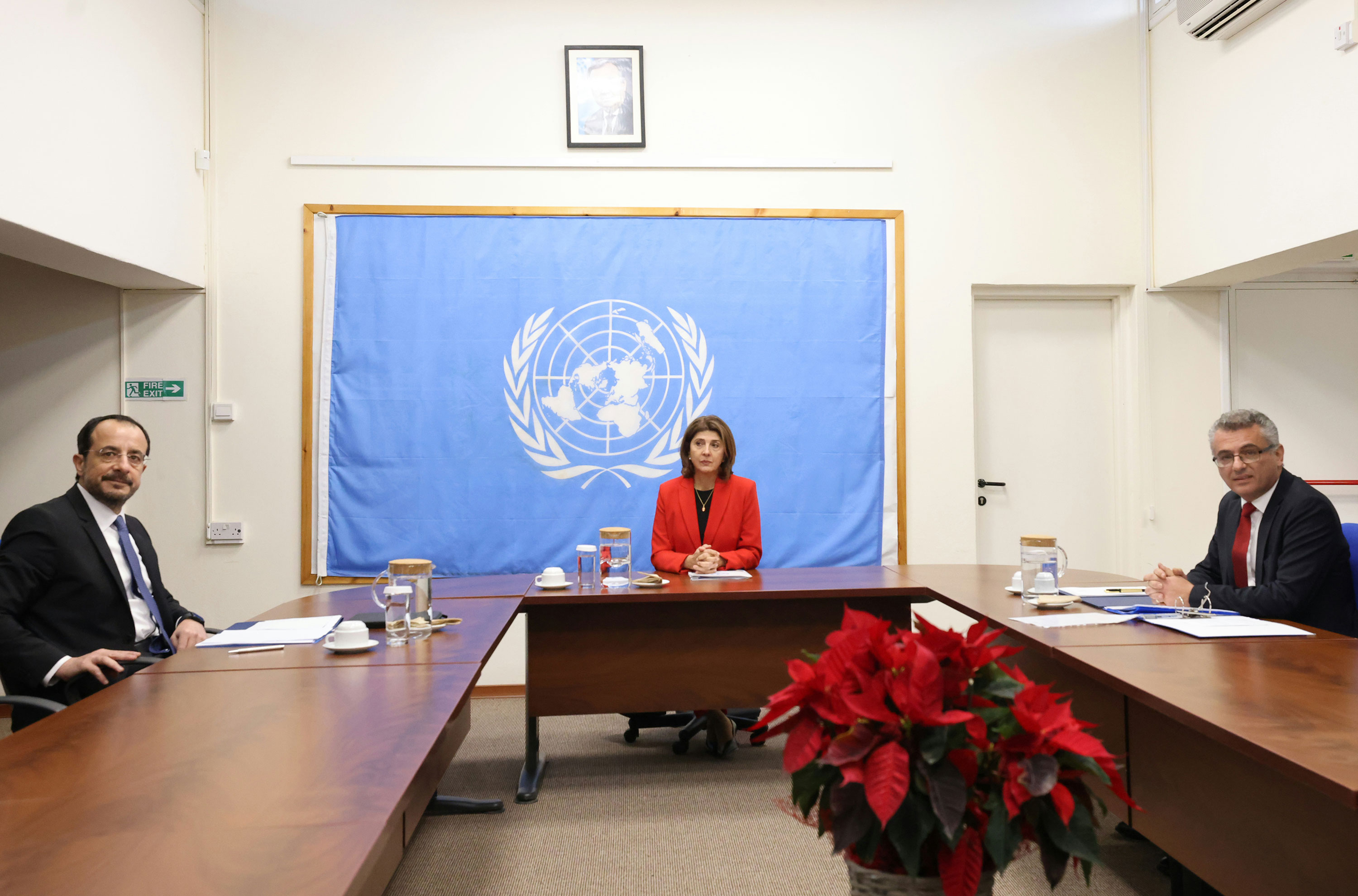
The return of UN Personal Envoy María Ángela Holguín to Cyprus this Saturday comes with a restrained expectation that something different might be brewing this time.
Nine years on since a tired-looking António Guterres – just a few months in office – sent his best wishes to “all Cypriots, north and south” as he closed the Crans-Montana conference, the UN Secretary-General appears ready to give it one last go.
In betting terms, nobody puts money on a Cyprus solution. But in the grand scheme of history, few conflicts last forever. Guterres, whose term ends in December 2026, is ready to get his feet wet again. The rest is up to the relevant parties.
There is a slight sense of urgency within the international community, given that early elections are possible in Turkey and Greece, while manoeuvring for the 2028 presidential elections in Cyprus is already underway.
According to diplomatic sources, Holguín is coming to spend time on the island with relevant stakeholders before heading off to Athens and Ankara. The UN envoy will assess progress on core issues and confidence-building measures (CBMs), but no breakthrough is expected, for example, on opening new crossing points.
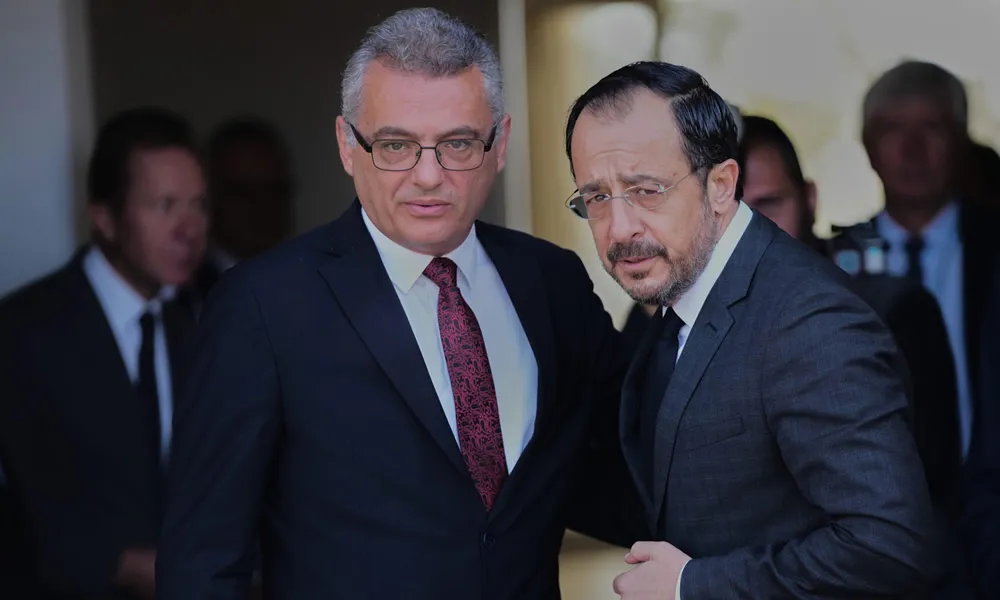
She will meet with the two leaders separately on Monday, 8 June. A trilateral is not ruled out but the main aim of her visit is to sound out the sides on the specifics of how to kickstart formal negotiations.
Brainstorming
An informed source said preparatory work is underway, with the UN team in Cyprus already engaging with the two leaders and their associates, brainstorming on specific issues. The personal envoy’s arrival is expected to stimulate a more detailed discussion on the framework that would allow a resumption of talks.
All sides are waiting to see what Holguín will bring to the table. One possibility is that the interested parties work on a road map that foresees incremental steps towards the prospect of a strategic agreement that would then lead to a comprehensive settlement.
Phase one
A first step in such a scenario would be to put together a document that could unlock the door to a resumption of talks. One that satisfies all sides without going into too much detail.
The Turkish Cypriots clearly want some assurances that things will be different this time before engaging in talks again. They want political equality in the bag, along with all past convergences, a timeline and a safeguard that there won’t be a return to the status quo if Greek Cypriots reject another effort.
The Greek Cypriots also have demands. They also want past convergences locked in. But confirmation of past agreements on political equality alone ignores other critical aspects such as security and guarantees, territory, property, and constitutional elements. In other words, a discussion on past convergences cannot take place without also addressing the different components of the Guterres Framework that came out of Crans-Montana.
Another diplomatic source said Holguín might bring a draft version of this document or she might come to listen to the sides before working on the text.
If the sides can agree on a common starting point for a new peace process – that does not selectively reaffirm aspects of a solution but includes something for everyone – then Guterres can convene the ‘5+1’ meeting with the guarantor powers to finalise the text, possibly in July. This might come in the form of a joint declaration or a statement by the UNSG that leads to the formal resumption of peace talks.
Phase two
The next step, said one source, could be to elaborate on all the elements in the starting document to produce a strategic agreement, binding in nature, that provides more detail and includes all aspects that are indispensable for a holistic package solution. In terms of scope, such an agreement would not be a long, comprehensive agreement, but it will contain all critical elements and go into more detail than what the Guterres Framework contained.
Phase three
The final stage would be to reach a comprehensive settlement.
Outside the box
Reports in the media have raised several alternative approaches to the negotiation process. Academics have suggested phasing negotiations by placing big sweeteners en route to the end goal, such as the opening of Varosha for Greek Cypriots and launching direct flights for Turkish Cypriots. These could be irreversible steps that remain even if the two communities do not reach a final agreement. At the same time, they inject an element of confidence in the process, currently lacking, no matter how many CBMs are agreed.
One diplomatic source said such ‘outside the box’ ideas are currently outside the realm of what is being discussed.
Regarding other proposals, such as delaying referendums to give both communities time to build trust in the prospect of reunification after an agreement has been reached, the source said it was more advisable to formalise any agreement as quickly as possible. However, alternative approaches could be discussed if the sides reach that stage.
University of Warwick’s Neophytos Loizides questioned the value of pursuing a strategic agreement alone, wondering what more it could offer than what has already been agreed.
He argued that parallel work on process design would be more beneficial. For example, the sides could agree to include “bite-sized backstops” in the process. Technical committees or even political parties could submit proposals on small steps – not as ambitious as opening Varosha or direct flights – that could be agreed by the leaders, “showing their seriousness and commitment” to the negotiations. These would be implemented regardless of whether the sides go for a comprehensive agreement.
“These steps won’t work as a substitute for a solution, but they will bring the communities together through greater contact and cooperation,” said Loizides.
‘Europe as a catalyst’
A diplomatic source pointed to another element that could play a significant role in getting negotiations started and potentially concluded – Europe. It could act as a catalyst in the peace process, they said.
In a recent interview with Politis, when asked about Turkey and the Cyprus issue, EU Commissioner for the Mediterranean Dubravka Šuica said: “The EU stands ready to play an active and constructive role in supporting all stages of this process.”