
France, Germany and the United Kingdom have raised fresh alarm at the United Nations over Iran’s nuclear programme, warning that the latest quarterly report by the International Atomic Energy Agency points to developments that remain both serious and current.
In a joint statement, also joined by the United States, the European Union, Denmark, Greece, Latvia, Bahrain and the United Arab Emirates, the three countries said the IAEA report was “deeply concerning” and reinforced long-standing fears over Tehran’s nuclear activities. The E3 said Iran remains the only non-nuclear-weapon state enriching uranium to 60%, a level far above what is normally associated with civilian nuclear use. They argued that there is “no credible civilian justification” for Iran holding more than 400 kilograms of uranium enriched to that level.
According to the statement, that stockpile amounts to more than ten “significant quantities” of highly enriched uranium, meaning enough nuclear material for which the possibility of producing a nuclear device cannot be ruled out.
Concerns over inspections
France, Germany and the UK also accused Iran of repeatedly failing to meet its safeguards obligations and of not cooperating fully with the IAEA.
They said the agency is still unable to confirm that Iran’s nuclear programme is exclusively peaceful. The statement also noted that it has been one year since inspectors last entered the country’s most sensitive nuclear sites from a proliferation perspective. The three countries reaffirmed their support for what they described as the IAEA’s essential role in protecting the global nuclear non-proliferation regime.
Snapback sanctions back in force
The statement also returned to the Joint Comprehensive Plan of Action, arguing that Iran’s “significant non-performance” of its commitments under the 2015 nuclear deal led the E3 to trigger the snapback mechanism on August 28, 2025.
France, Germany and the UK said the move was fully in line with UN Security Council Resolution 2231. They added that, under the same resolution, the Security Council voted on September 19, 2025 on a draft resolution that would have permanently lifted international restrictions on Iran’s nuclear programme, with the result amounting to a clear rejection.
As a result, they said, the snapback process was completed on September 27, 2025, bringing back into force six previous UN Security Council resolutions whose implementation had been suspended. The E3 said this position has since been confirmed on several occasions by the UN Secretariat. They stressed that those resolutions must now be fully implemented by all UN member states, as required under the UN Charter.
Calls for sanctions oversight
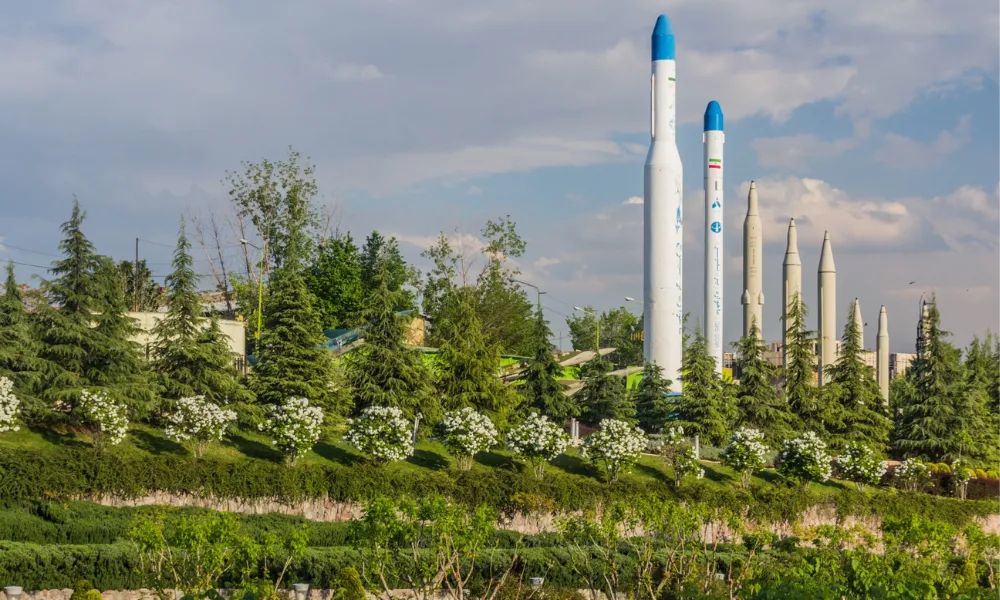
The three countries said the sanctions restored through those resolutions are aimed at limiting Iran’s ability to develop and deliver a nuclear weapon. They cover activities, individuals and entities linked to that objective, including Iran’s ballistic missile programme.
They also said the 1737 Committee has been re-established and called for the immediate appointment of a chair, so it can oversee the effective implementation of sanctions and respond to compliance issues.
The E3 also called for the Panel of Experts to be appointed without further delay. They described its role as critical in supporting the committee, monitoring implementation, investigating and documenting violations, identifying sanctions evasion trends and providing technical assistance to UN member states.
Diplomatic solution remains the goal
France, Germany and the UK closed their statement by reaffirming their commitment to a lasting and sustainable diplomatic solution. They said the objective remains to ensure that Iran never seeks, acquires or develops a nuclear weapon. Only a credible, robust and verifiable agreement, they argued, can address the Iranian nuclear issue in a durable way.
Source: AMNA