Maritime traffic has resumed in the Strait of Hormuz, the strategically vital route for global hydrocarbons trade, which had effectively been closed by Iran at the outbreak of the war, prompting the United States to impose a blockade on Iranian ports. The blockade was lifted yesterday, as provided for in the framework agreement.
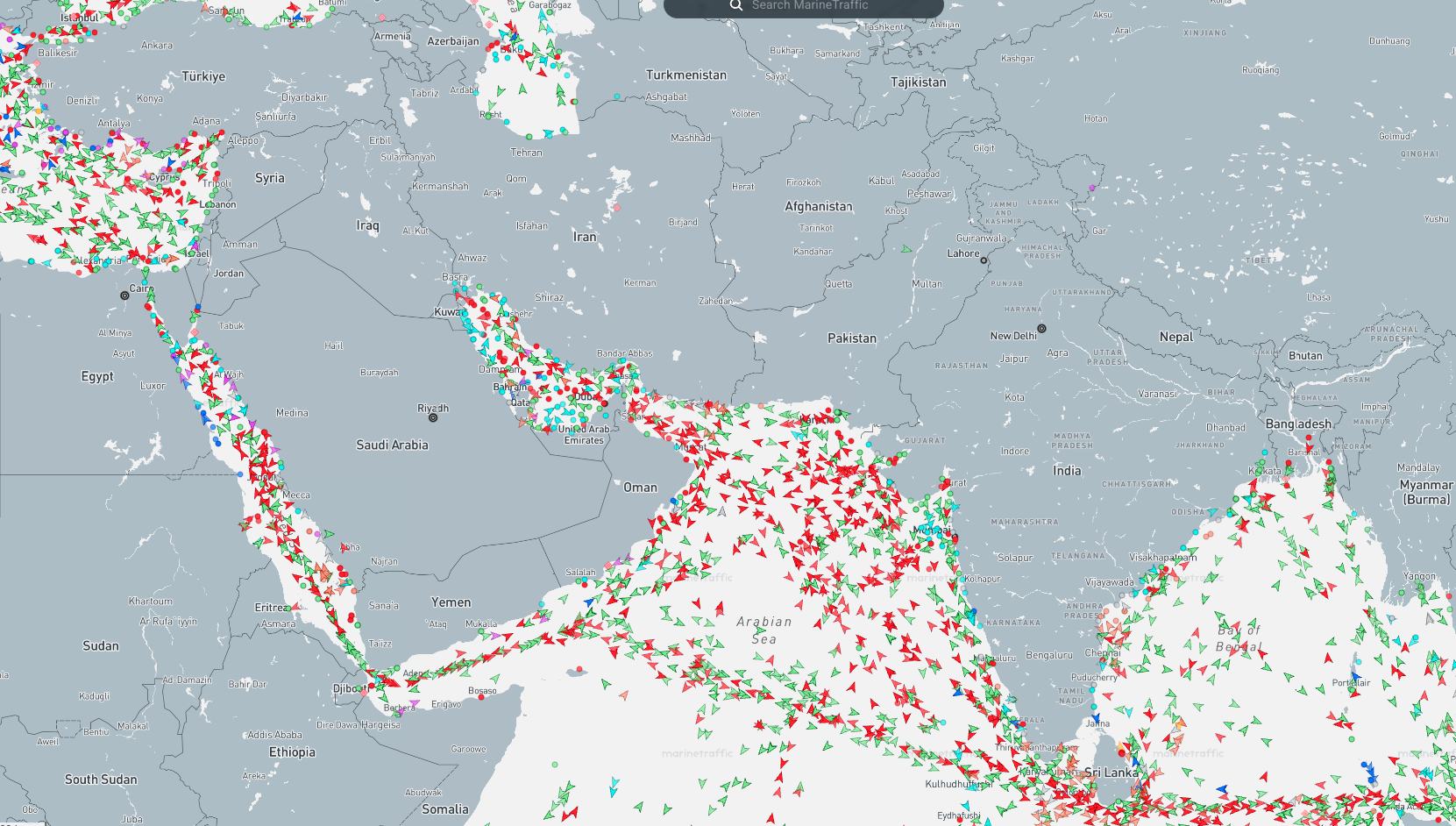
US armed forces have already allowed “more than ten vessels” to pass, according to US Vice President J.D. Vance.
Iranian state television, citing a statement from the country’s Supreme National Security Council, reported that vessels wishing to cross the strait must submit a request to a newly established government body.
Under the terms of the framework agreement, crossings will be free of charge for a period of 60 days.
Khamenei approves the agreement
Iran’s supreme leader, Mojtaba Khamenei, approved the framework agreement signed by Washington and Tehran for ending the war in the Middle East, although he expressed reservations.
In his first reaction following the signing of the memorandum of understanding, he said he endorsed the agreement despite an opposing view, without providing further details.
The protocol was signed remotely and transmitted electronically by US President Donald Trump and Iranian President Masoud Pezeshkian. Khamenei stated that he approved it despite reservations.
“It is clear that future face‑to‑face negotiations do not imply acceptance of the enemy’s views,” he said, noting that he had received assurances that Iran’s interests would be safeguarded.
Criticism from US and Israel
Despite the de‑escalation, criticism of the agreement continues in both the United States and Israel. Sections of the US media and Republican politicians argue that the framework deal benefits Iran, offering economic advantages without securing the dismantling of its nuclear programme.
As part of the agreement, Iran has secured a promise that, if a final deal is reached, frozen assets worth $300 billion held abroad will be released, while US sanctions restricting Iranian oil sales will be lifted.
Iranian President Masoud Pezeshkian described the agreement as “historic,” saying it was achieved because Iran is “strong.”
Meanwhile, Tehran’s chief negotiator and parliament speaker, Mohammad Bagher Ghalibaf, described the text as proof of “US failure,” warning of a “crushing response” if commitments are violated.
Israeli reaction and continued tensions
Israeli Prime Minister Benjamin Netanyahu said that “the battle is not over”, while criticism of the agreement has also emerged within his government.
“The Israeli Defence Forces will remain in southern Lebanon for as long as security requires,” Netanyahu said, despite the framework agreement explicitly calling for the end of hostilities on all fronts, including Lebanon.
Since the announcement of the agreement, Israeli forces have continued strikes against Hezbollah positions, with reports of casualties, while clashes between Hezbollah fighters and Israeli units in southern Lebanon have also been reported.