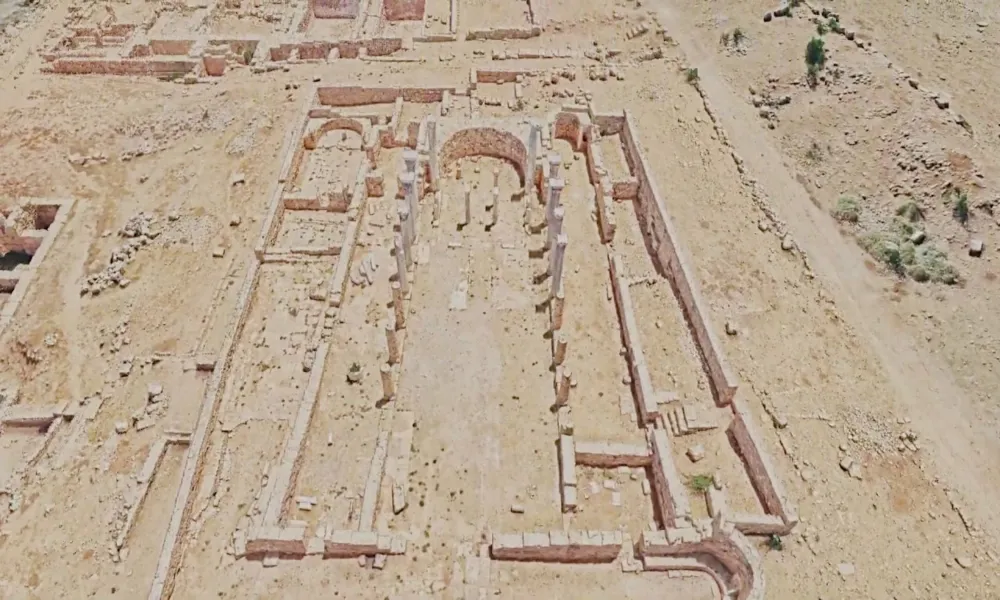

One of the most significant archaeological discoveries made in Libya in recent years has been announced by the French Archaeological Mission, which has been carrying out systematic research in the area of modern-day Susa, the site of ancient Apollonia.
The new findings shed light on previously unknown aspects of the city's history, highlighting the role it played as an important urban and cultural centre in the ancient Greek and Mediterranean worlds.
According to Libya Review, the discoveries are considered to be of major scientific importance because they provide new evidence regarding the urban planning, public life and religious activity of ancient Apollonia.
Three monuments changing the picture
Archaeologists have identified three major monuments that are expected to lead to a reassessment of the city's historical significance.
The first is an ancient theatre, situated in a commanding position overlooking the Mediterranean Sea.
Its location is regarded as evidence of Apollonia's prosperity and of the city's importance as a centre of culture and social life.
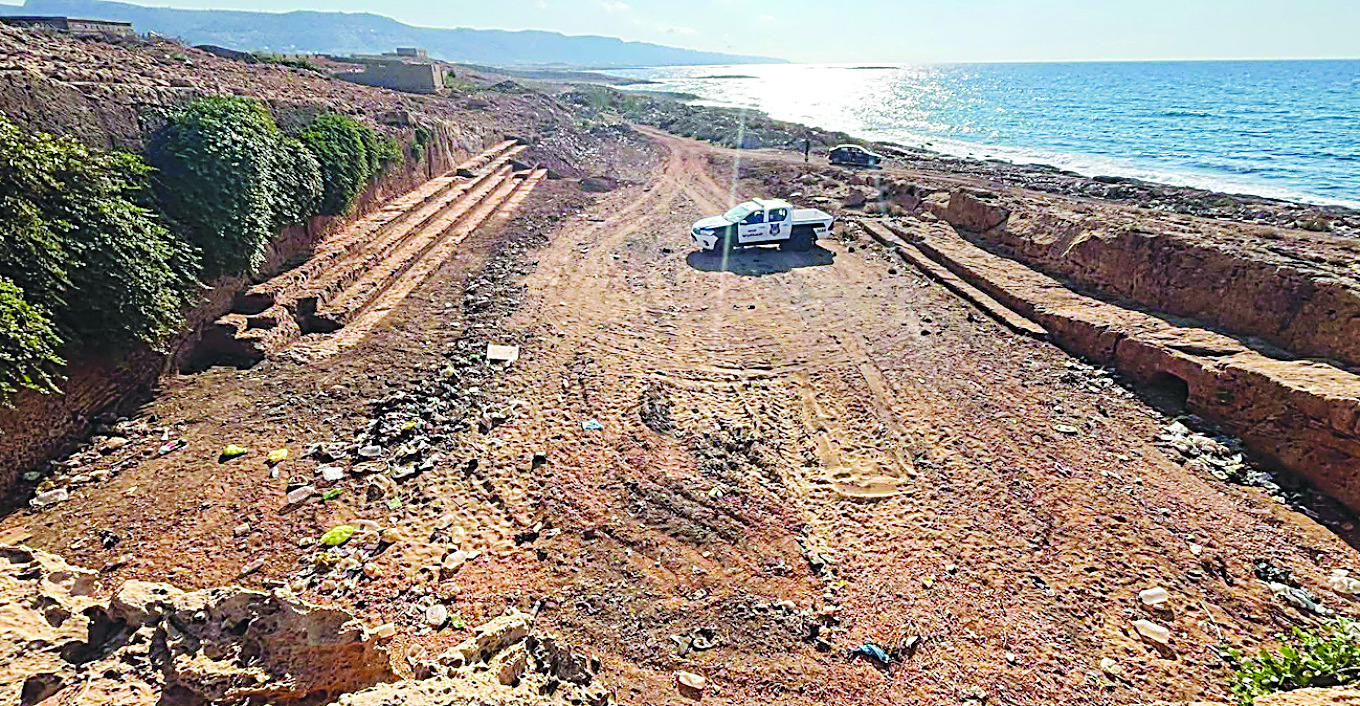
Researchers have also uncovered a Greek hippodrome, a find described as exceptionally rare and particularly significant for archaeological scholarship.
The third major discovery consists of a series of religious sanctuary complexes, which are expected to provide fresh insights into the religious practices and worship traditions of the city's inhabitants.
A hippodrome unique in the Mediterranean
Particular attention is being paid to the discovery of the Greek hippodrome.
Professor Vincent Michel, head of the French Archaeological Mission in Libya since 2011, described the monument as unique.
According to Michel, based on the evidence currently available, no comparable structure has been identified either in Cyrenaica or elsewhere in the wider Mediterranean region.
He said the discovery could lead to a new assessment of Apollonia's political, economic and geopolitical importance in antiquity.
Decades of research
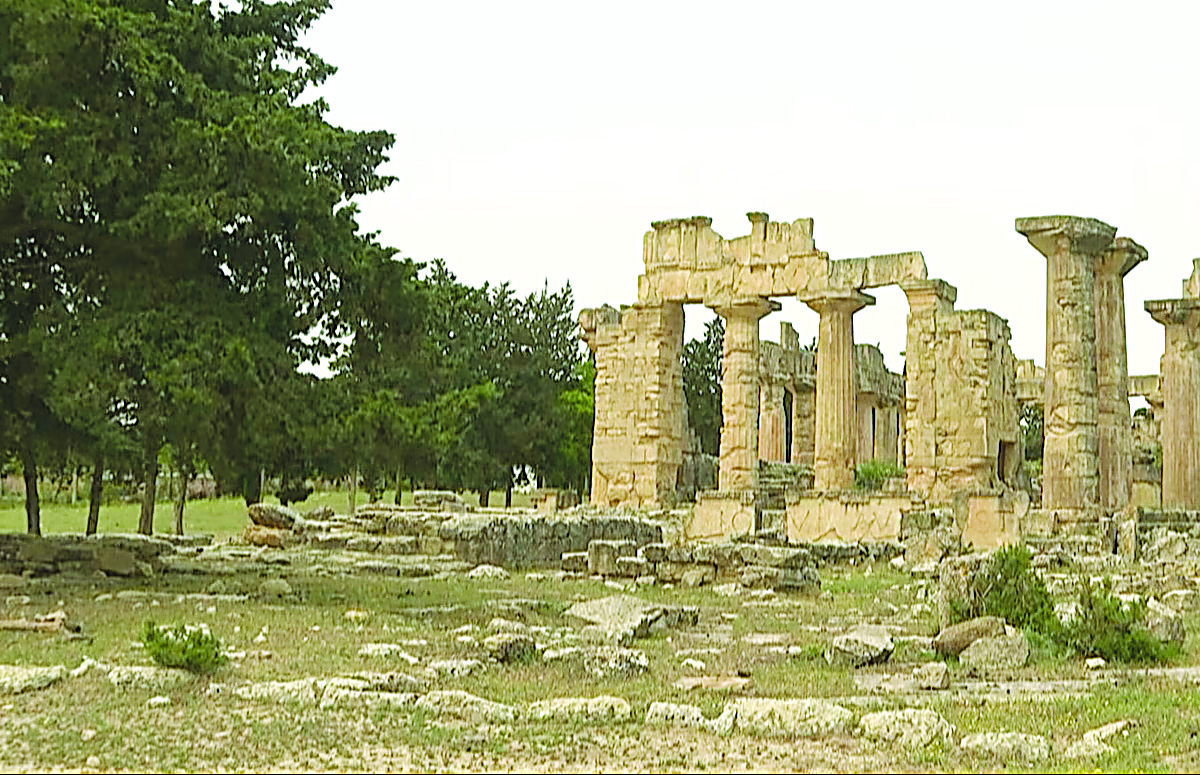
The French Archaeological Mission has maintained a long-standing presence in Libya, conducting systematic excavations of remains dating from the Greek and Roman periods.
Its work focuses on the study, protection and promotion of the region's cultural heritage.
Apollonia was one of the most important ports of Cyrenaica and was closely associated with Greek colonisation in North Africa.
The latest research strengthens the view that the city was not merely a commercial centre but also a place of considerable cultural and political influence.
Scientists believe further excavations will continue to reveal new evidence, providing valuable information about the presence and development of Greek civilisation in Cyrenaica.
The recent discoveries now place Apollonia among Libya's most important archaeological sites and open a new chapter in the study of the ancient Greek world in the Mediterranean.