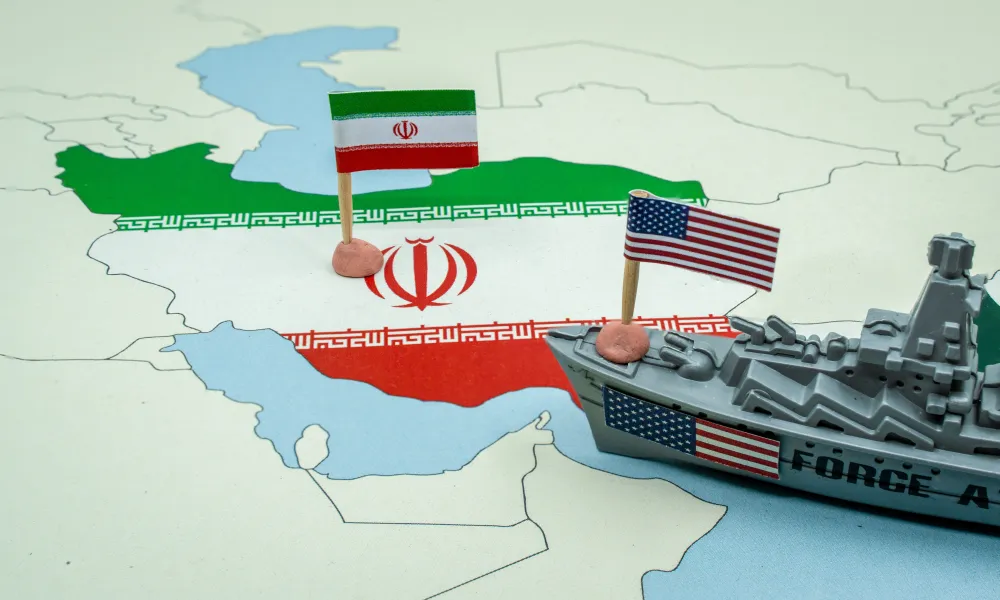

The war against Iran has cost the United States an estimated $38 billion since it began, according to the non-partisan Congressional Budget Office (CBO), which warned that the financial burden will continue to grow even if fighting eases.
The estimate covers the period through August 2026 and includes the cost of munitions, military equipment and increased fuel consumption by US armed forces.
Costs continue to climb
The CBO said that even if the intensity of the conflict declines, costs are expected to continue rising by around $2 billion per month.
Should the conflict escalate further, monthly costs could increase to approximately $3 billion, the agency warned.
A significant portion of the expenditure is linked to replenishing military stockpiles. According to the CBO, replacing munitions used since the conflict began on 28 February will cost an estimated $21.7 billion.
Concerns over missile inventories
The report also raised concerns about declining stocks of interceptor missiles.
Based on spending levels and procurement data, the CBO estimated that the US may have used between half and two-thirds of its interceptor missile inventory since June 2025.
The findings follow a report by the Pentagon Inspector General, which confirmed shortages of some munitions linked to the conflict, despite repeated assertions by the administration of President Donald Trump that supplies remain adequate.
The CBO analysis was prepared following a request from Democratic lawmakers.
Inflation impact expected
Beyond military spending, the CBO believes the conflict will place additional upward pressure on inflation in the US economy.
The agency attributed much of that risk to disruptions in global energy supplies following the closure of the Strait of Hormuz by Iran, a vital route for international oil and gas shipments.
Using the Personal Consumption Expenditures (PCE) index, the CBO increased its inflation forecast for the first quarter of 2027 by 0.5 percentage points compared with projections published in February.
Its forecast for core inflation, which excludes food and energy prices, was also revised higher by 0.3 percentage points.
Borrowing costs could rise
The agency warned that higher inflation is likely to lead to increased borrowing costs across the US economy.
Rising interest rates would add further pressure to government finances and could affect households and businesses already facing higher prices.
The conflict's economic consequences are therefore expected to extend well beyond military spending, with potential effects on energy markets, inflation and financial conditions both in the US and globally.