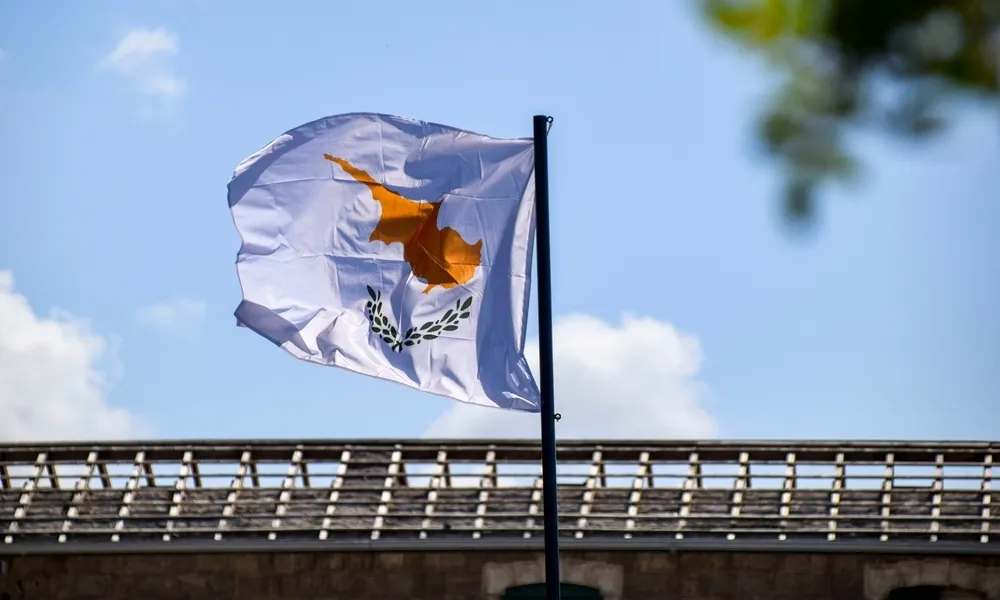
Much may remain unknown about who is behind Videogate and it is possible this will never be fully established. What is beyond dispute, however, is that the eight-minute video delivered a severe blow to the international image of the Republic of Cyprus, an image already burdened by the “golden passports” scandal that unfolded under former president Nikos Anastasiades.
By repeating familiar mistakes and once again demonstrating an inability to learn from them, those implicated in Videogate, including associates of President Nikos Christodoulides, succeeded in turning Cyprus into an object of international ridicule. The Presidential Palace has once again been associated with practices of entanglement and corruption, sinking further into a narrative of political impropriety and reputational damage. The result is a renewed erosion of Cyprus’ credibility and an uncomfortable exposure vis-à-vis European partners, at a time when the country holds the rotating presidency of the Council of the European Union.
The bitter irony is that the emergence of the new video coincided with a global campaign aimed at repairing Cyprus’ international standing. That effort seeks to reverse the damage inflicted by the “golden passports” programme, exposed in October 2020 through an undercover investigation by Al Jazeera, which laid bare the depth of corruption and institutional decay in the country.
Before Cyprus had a chance to rebuild trust among international markets, foreign investors and its partners within the European Union, the new scandal, involving figures close to President Christodoulides, wiped out in a matter of minutes much of what had been painstakingly achieved over the past 18 months through an international reputation-repair campaign. A campaign which, it should be noted, came at a cost of hundreds of thousands of euros.
The rebranding effort
On April 25, 2024, President Christodoulides formally announced Cyprus’ rebranding, presenting it as a necessary step to restore the country’s reputation abroad. Speaking at the InBusiness Awards, he addressed the business community and outlined a large-scale international campaign coordinated by Invest Cyprus. He also revealed that the Republic would procure the services of a globally recognised communications firm, selected through a tender process, tasked with reintroducing Cyprus to the international community as a credible business and investment destination.
The campaign is not confined to the European Union. It also targets investors from the United States, the Middle East and the Gulf, Israel and India. Market assessments, however, suggest that the international exposure of Videogate, widely covered by foreign media, has largely neutralised whatever gains the campaign had achieved so far.
Market actors told Politis that Cyprus may now require a fresh rebranding effort, starting from scratch.
€1.5 million communications contract
On December 11, 2024, Deputy Minister to the President Irene Piki announced via social media the launch of the campaign to strengthen Cyprus’ image abroad, in cooperation with the international communications firm KREAB. The firm was selected following a competitive tender, with an estimated cost of €1.5 million.
“Invest Cyprus, in cooperation with the Presidency of the Republic, is launching a campaign with the international communications firm KREAB,” Piki wrote on X. She added that the Christodoulides government was taking steady steps to upgrade Cyprus’ international image in order to enhance the sustainability and competitiveness of the economy. “We are turning the page and moving forward, strengthening our country’s credibility,” she said.
Who is KREAB?
KREAB is an international strategic communications consultancy providing services to companies, governments, organisations and individuals, specialising in complex and demanding communications challenges at global level.
Its core services include corporate communications strategy, public relations, reputation and crisis management, financial and investor communications, as well as sustainability and ESG-related communications. The firm operates in more than 25 countries, employing hundreds of consultants of different nationalities, enabling it to combine global expertise with local insight across multiple markets and cultural environments.
It is noted that KREAB, which has also signed a contract to conduct a related study for the Ministry of Foreign Affairs, already works with the Central Bank of Cyprus and the Cyprus Banking Association on issues concerning the international reputation and credibility of the country’s financial system.
Is success still possible?
The pressing question now is whether the new video and the scale of its international exposure leave any realistic room for success in the effort to restore Cyprus’ image abroad, particularly in the eyes of international markets.