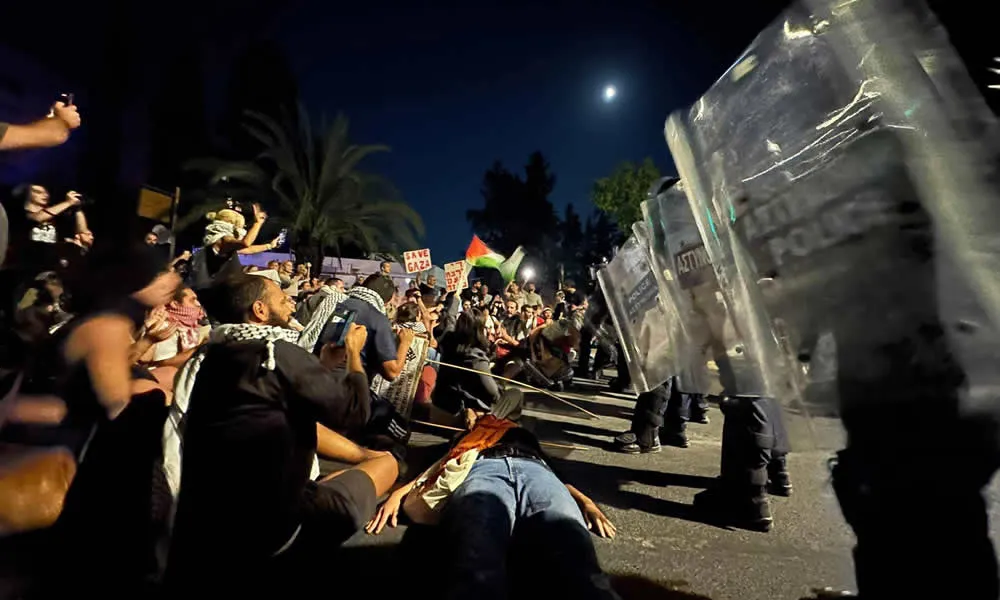

Public backlash following the adoption of Cyprus’s law on protests and public assemblies has translated into concrete legislative changes, after the law was widely criticised as anti-democratic and restrictive of fundamental freedoms.
Pressure for amendments intensified after a sharply critical opinion by the Organization for Security and Co-operation in Europe (OSCE). The revised bill is now set to be put before the House plenary for a final vote within the next 15 days.
OSCE recommendations incorporated
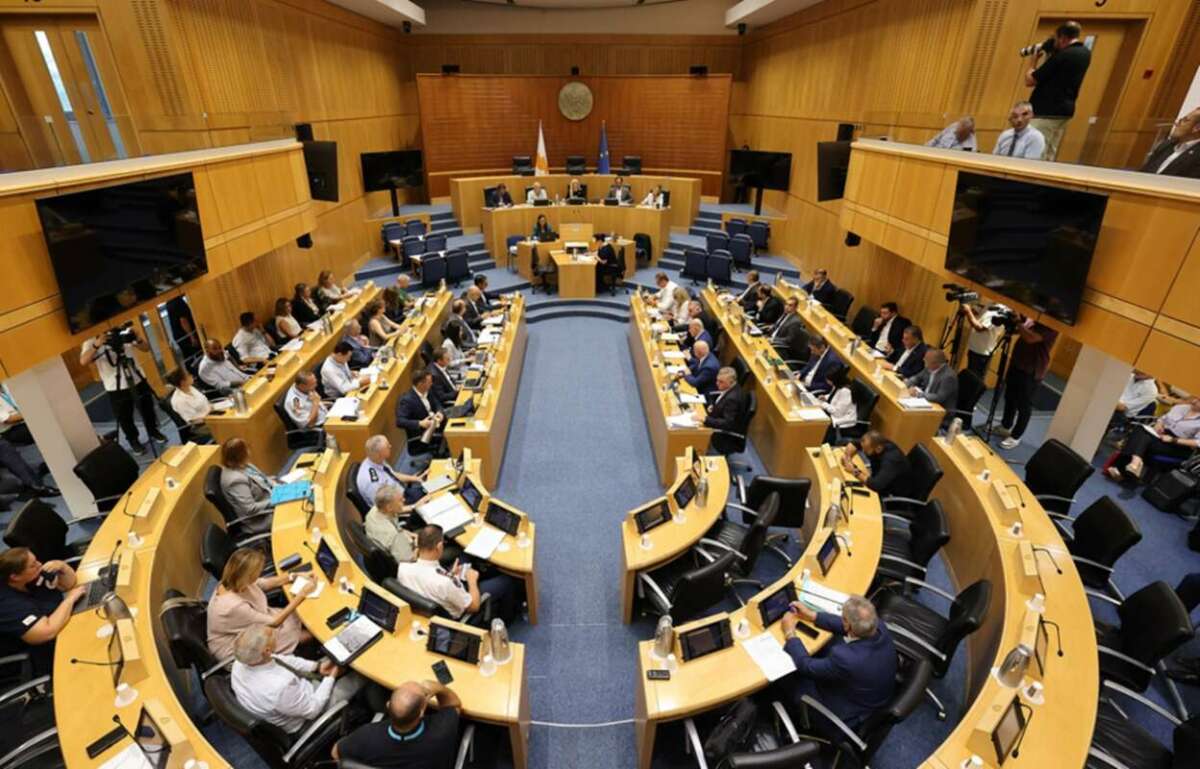
At yesterday’s session of the House Legal Affairs Committee, the final adjustments were made to the bill, which fully incorporates the recommendations outlined by the OSCE in its opinion.
AKEL MP Eirini Charalambidou, who also serves as vice-president of the OSCE Parliamentary Assembly, said that following consultations with the Ministry of Justice and the Law Office, an agreed text had been reached that complies in full with the OSCE’s guidance and corrects key provisions of the law.
Key changes to the law
Ms Charalambidou outlined the main amendments as follows:
-
Face coverings at protests
Participants will be allowed to cover their faces, including wearing hoods, provided they do not act in a threatening manner and do not carry objects that could be considered dangerous to others. Only in such cases will the police be entitled to request that an individual reveal their identity. -
No mandatory organiser
Demonstrations, whether planned or spontaneous, will no longer require the designation of a specific organiser responsible for the event. -
Limits on police powers to disperse gatherings
Police will no longer be able to disperse an entire protest solely because of the behaviour of isolated individuals. Their obligation will instead be to restrain and or arrest those individuals, allowing the wider assembly to continue peacefully. -
Dispersal as a last resort
Under the amended law, dispersing a demonstration will be considered a measure of last resort. Proportionate force may only be used in order to implement such a decision.
Controversy over police registry
AKEL MPs objected to a provision allowing the police to maintain a registry of marches, describing it as a form of surveillance or profiling. Ms Charalambidou clarified that this provision stems directly from an OSCE recommendation and applies only to assemblies during which incidents occurred.
Withdrawal of repeal proposal
In light of these developments, AKEL will not proceed with its earlier proposal for the complete repeal of the law on assemblies, marches and demonstrations, opting instead to support the amended framework now heading to the House plenary.