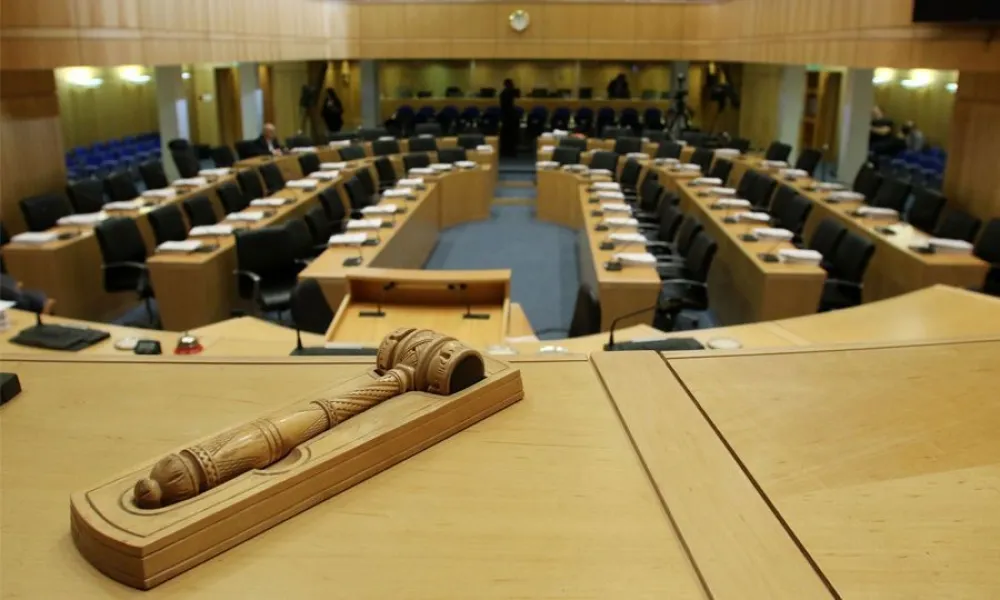

The vote on the bill amending the Constitution regarding the surveillance of telephone communications has been postponed, following a request from the executive branch. The legislation was ultimately not put to a vote during yesterday’s plenary session of the House of Representatives.
Although the bill had been included on the plenary agenda, the decision was taken after the conclusion of an extraordinary meeting of the House Legal Affairs Committee not to proceed with a vote and instead continue the discussion with the new composition of parliament.
New proposal expected from Justice Ministry
According to information from Politis, the executive branch intends to prepare a revised proposal that will also include a mechanism for reviewing decisions authorising surveillance. Discussions reportedly include the possible establishment of an independent committee.
During the plenary session, when the Speaker informed members that the vote on the bill would be postponed, she requested that it be made clear that the matter had been referred back to the competent parliamentary committee at the request of the executive branch. Several MPs stated that they had been prepared to vote on the proposal during the session.
Repeated changes to the draft law
The legislative process surrounding the surveillance bill has been marked by a series of revisions. In its original form, as submitted by the Ministry of Justice, the draft provided that in exceptional and urgent cases the Attorney General would grant written authorisation to the Cyprus Intelligence Service (CYP) to initiate surveillance.
The provision triggered strong reactions from the majority of MPs, prompting efforts to find alternative arrangements.
By majority decision, the House Legal Affairs Committee subsequently proposed that authorisation in such cases should be granted by the director of the Cyprus Intelligence Service, with oversight exercised by the three-member committee appointed to review the service’s decisions.
Constitutional majority required
Despite securing majority support within the Legal Affairs Committee, it later became clear that the arrangement would not gather the required number of votes in plenary to approve a constitutional amendment. Such a change requires the support of two-thirds of MPs.
The Democratic Rally (DISY) later submitted an amendment proposing that authorisation for the initiation of surveillance be granted exclusively by a court, a provision that helped ease some objections.
However, this proposal was also not brought to a vote. The issue will now be examined by the next composition of the House of Representatives, pending the submission of a revised draft by the Ministry of Justice.