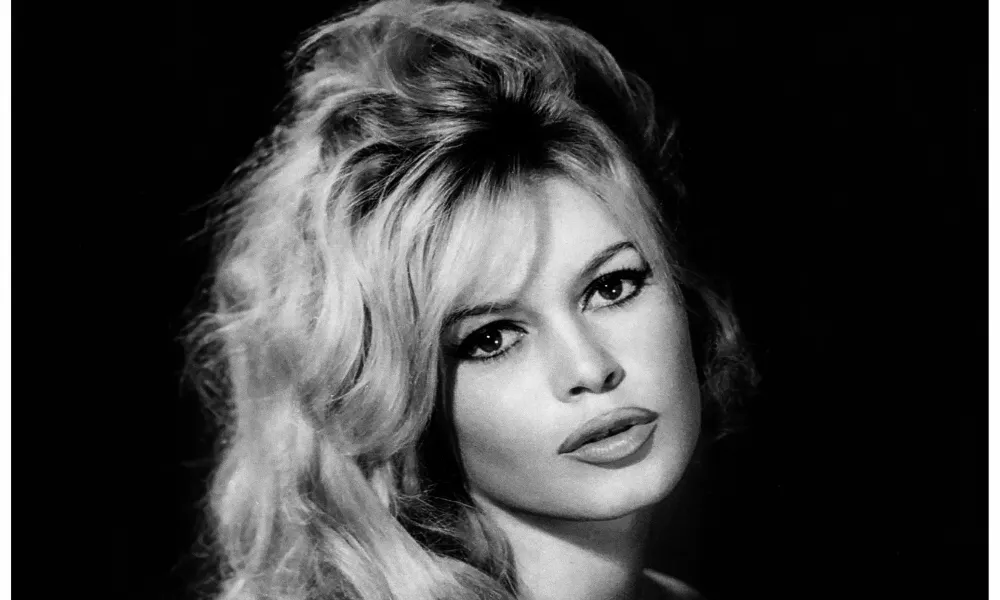

Brigitte Bardot, the French actress and singer who became one of the most recognisable figures of 20th-century cinema, has died at the age of 91.
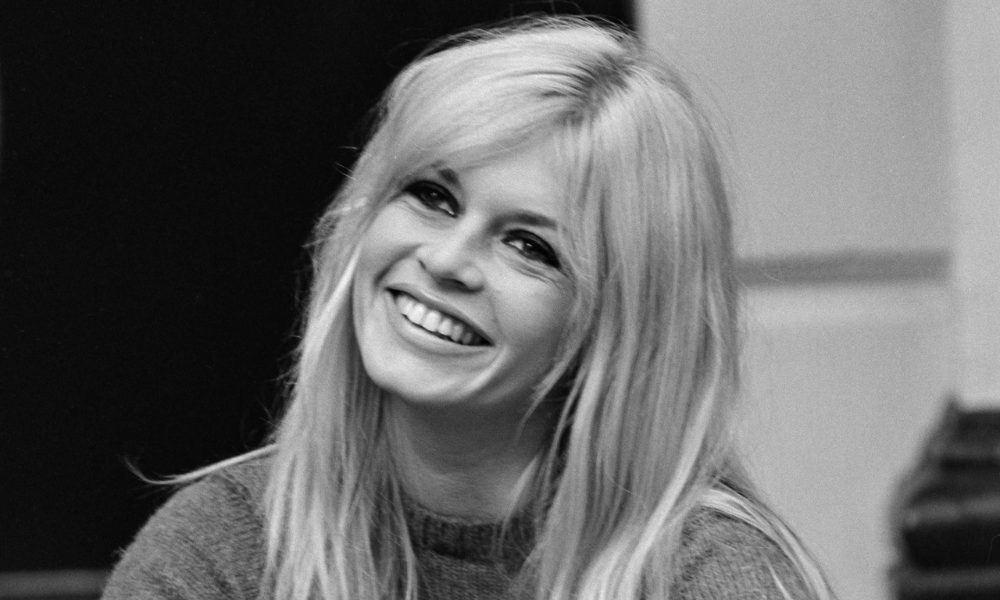
The news was confirmed by the Fondation Brigitte Bardot, the animal welfare organisation she founded, in a statement released on Sunday. International media including The Guardian and The Times also reported her death. No cause of death has been disclosed.
“Brigitte Bardot, the French actress and singer who became a global sex symbol before turning her back on the film industry to devote her life to animal rights activism, has died at the age of 91,” the newspapers reported.
Early Life And Entry Into Cinema
Born Brigitte Anne-Marie Bardot in Paris on 28 September 1934, she grew up in a bourgeois family. Her father was an engineer and businessman, while her mother, who had studied dance, encouraged her early artistic inclinations. Bardot trained in classical ballet as a child, but her striking beauty soon drew attention beyond the world of dance.
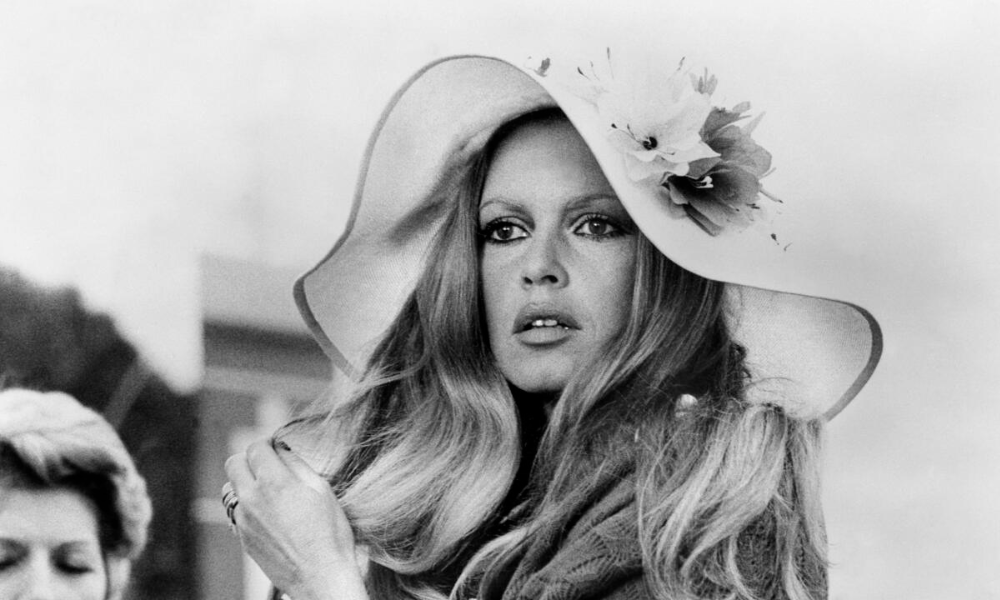
At just 15, she began modelling and appeared on magazine covers, including Elle. A photo shoot brought her to the attention of director Marc Allégret, through whom she met his assistant, Roger Vadim, a relationship that would prove pivotal both personally and professionally.
Bardot made her film debut in 1952 with a small role in Jean Boyer’s comedy Le Trou normand. That same year, aged only 18, she married Vadim, against her family’s wishes. Though she appeared in several modest productions early on, her star began to rise rapidly. At the Cannes Film Festival in 1953, the young actress attracted intense media attention, foreshadowing her imminent ascent to international fame.
Global Stardom And The 1960s
Bardot’s breakthrough came in 1956 with And God Created Woman, directed by Vadim. Playing Juliette Hardy, a free-spirited and sensual young woman, Bardot introduced a bold new image of femininity in post-war Europe. The film was a major international success, despite censorship controversies in the United States, and transformed Bardot into a global icon, widely known simply as “BB”.
During the late 1950s and 1960s, she starred in a string of acclaimed films, collaborating with some of the most important directors of the era. Her credits include Vie privée (1962) and Viva Maria! (1965) by Louis Malle, Contempt by Jean-Luc Godard, and La Vérité (1960) by Henri-Georges Clouzot.
With her blonde hair, barefoot sensuality and blend of innocence and eroticism, Bardot captivated audiences worldwide. Critics frequently compared her fame to that of earlier legends such as Greta Garbo and Marlene Dietrich. In 1959, philosopher Simone de Beauvoir famously described Bardot as “the locomotive of women’s history” and the first truly liberated woman of post-war France, highlighting her broader social impact beyond cinema.
Music And Popular Culture
Alongside acting, Bardot pursued a parallel career in music, recording several popular songs during the 1960s. Among the best known were Harley Davidson and Moi Je Joue. She also recorded Je t’aime… moi non plus, written by Serge Gainsbourg. Bardot ultimately declined to release the track due to her marital status at the time, and the song later became a global hit when recorded by Jane Birkin.
Her influence extended deeply into fashion and lifestyle. Bardot is widely credited with helping popularise the bikini after appearing in one at the Cannes Film Festival in 1953, while the “Bardot neckline”, exposing both shoulders, was named after her. In 1969, sculptor Aslan used her facial features as the model for Marianne, the symbolic figure of the French Republic.
Private Life And Retreat From Fame
Despite her immense popularity, Bardot’s personal life was often turbulent and intensely scrutinised. After divorcing Vadim in 1957, she married actor and producer Jacques Charrier in 1959. The couple had one son, Nicolas-Jacques Charrier, born in 1960, before divorcing a few years later. Her third marriage, to German industrial heir Gunter Sachs in 1966, also ended in divorce in 1969.
By the early 1970s, Bardot had grown increasingly disillusioned with fame. In 1973, aged just 39, she announced her permanent retirement from acting after a 21-year career and nearly 50 films. Her final screen appearance was in L’Histoire très bonne et très joyeuse de Colinot Trousse-Chemise (1973). In later interviews, she described celebrity life as unbearable and said she felt she had lost her personal freedom.
Animal Rights Activism
Following her withdrawal from cinema, Bardot dedicated herself fully to animal welfare. From the mid-1970s, she launched high-profile campaigns, including a widely publicised protest in Canada in 1977 against the killing of seal pups for fur. The campaign attracted international attention and contributed to political pressure for restrictions on the seal fur trade.
In 1986, she founded the Fondation Brigitte Bardot, funding it in part by auctioning her personal jewellery and possessions. The foundation has since been active in campaigns against animal abuse, illegal hunting, the use of animals in circuses and scientific experimentation.
Between 1989 and 1992, Bardot presented the television programme SOS Animaux, further amplifying her advocacy. In 2001, animal rights organisation PETA honoured her for her contribution to animal protection, particularly her work for seals.
Controversies And Later Years
Bardot’s later years were marked by repeated controversy. In books and public statements, particularly from the early 2000s onwards, she expressed views on religion, immigration and social change that many regarded as extremist or discriminatory. In 2004, a French court fined her for inciting hatred following comments about the Muslim community. Bardot consistently defended her remarks as stemming from her love of animals and of France.
In 1992, she married Bernard d’Ormale, a businessman and former adviser to far-right politician Jean-Marie Le Pen. The couple lived largely out of the public eye in Saint-Tropez, where Bardot spent her final decades.
A Complex Legacy
Despite the controversies that clouded her later public image, Brigitte Bardot remains one of the defining figures of French cinema and global popular culture. She embodied a profound cultural shift in attitudes towards women, sexuality and freedom, while her lifelong commitment to animal rights forms a significant part of her legacy.
Her name continues to symbolise an era of cinematic and social transformation, leaving behind a legacy that is as influential as it is complex.
Sources: The Guardian, The Times, Agence France-Presse (AFP), Fondation Brigitte Bardot, lifo.