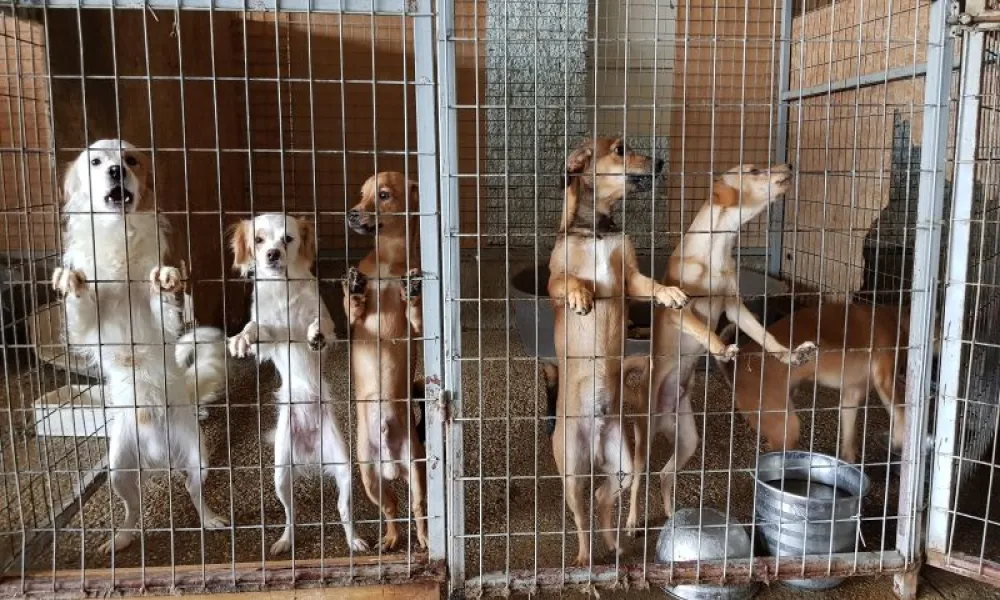

Simba Animal Aid Cyprus has expressed serious concern and disappointment over what it describes as constant and contradictory changes to the Dogs Law, arguing that the legislation is being amended before it is even implemented and appears to serve specific interest groups at the expense of genuine animal welfare.
The organisation, which operates the Nicosia Temporary Shelter for Stray Dogs, said that just two weeks after stricter measures were approved in late March, the House Environment Committee proceeded with further amendments.
According to the statement, these changes come at a time marked by strong pre election dynamics and appear to take into account the positions of organised groups such as hunters. The organisation says this raises serious questions about whether animal welfare is being adequately safeguarded. While the ban on euthanasia remains in force, Simba stresses that in practical terms the issue remains complex and unresolved.
It also points to the reaction of the Union of Communities of Cyprus, which has warned that it will not implement the new legislation, creating what Simba describes as a gap in enforcement. The key issue, according to the organisation, is not the existence of a ban but who will manage the situation and how, when competent authorities either declare an inability or refuse to apply the law.
Particular concern is expressed over the change to the mandatory microchipping age, which has been extended from two to six months. Simba says this leaves puppies vulnerable to abandonment or loss at a critical stage, contributing further to the growing number of stray animals.
The organisation also objects to the exemption of hunting dogs from the obligation to wear collars displaying owner information during hunting activities, warning that this increases the risk of abandonment.
Further criticism is directed at the reduction of the minimum adoption age from 18 to 16 years. Simba describes the measure as dangerous, stressing that pet ownership involves long term responsibility. It warns that the change could lead to an increase in the number of dogs per household, particularly in environments linked to hunting activities.
Simba also highlights what it sees as the effective removal of a key tool for controlling the dog population. The differentiation in annual licence fees, previously set at €24 for neutered dogs and €120 for non neutered dogs, has been abolished, with a uniform fee of €24 now applying to all dogs. According to the organisation, this removes any financial incentive for neutering and significantly reduces the funds available to manage the problem.
In addition, a proposal requiring dogs to reside at the address registered on their microchip was rejected. Simba argues that this leaves unchecked practices whereby animals are kept in isolated locations, often under unsuitable conditions and without proper oversight.
It is also highly critical of the removal of provisions that imposed penalties for violations. As a result, basic obligations such as licensing, identification and registration are no longer accompanied by sanctions, while the ability to impose on the spot fines has been abolished. The power of the minister to regulate the presence of dogs in specific areas has also been removed.
Simba president Natasa Michaelidou said the decisions are not merely piecemeal but dangerous, creating a system that favours specific groups at the expense of overall animal welfare. She said animal welfare organisations cannot continue to fill the gaps left by a state that legislates without a coherent plan.
Simba Animal Aid Cyprus called on the government to assume its responsibilities and move immediately towards a coherent and enforceable strategy, with clear actions and adequate resources. It stressed that the management of the stray animal problem cannot be left solely to volunteers and organisations that have already reached their limits, but requires active and meaningful state intervention.