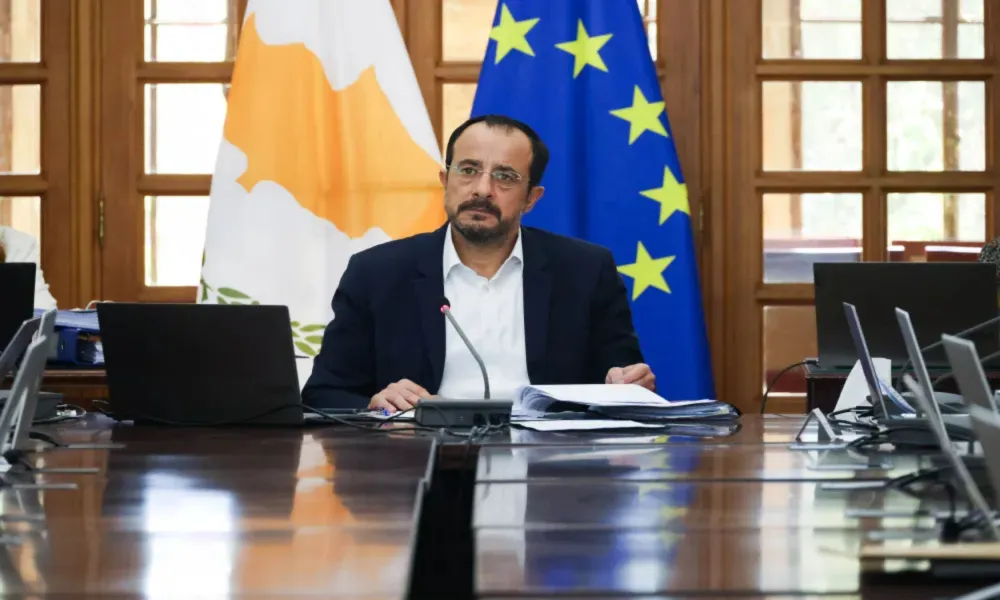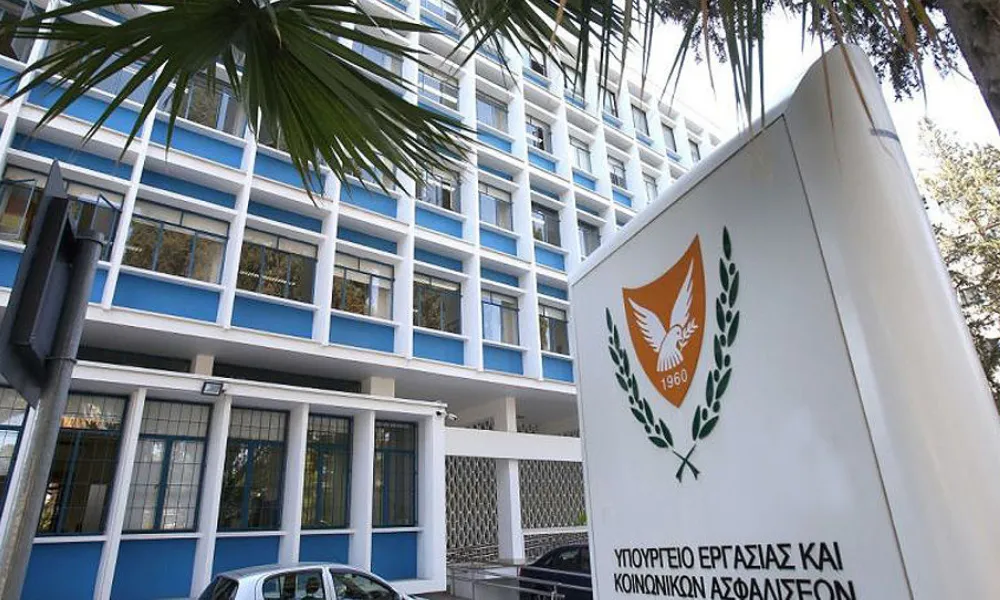

The Ministry of Labour and Social Insurance has presented its review of work carried out in 2025 and the first quarter of 2026, alongside its strategic planning for the rest of the year.
According to the ministry, its work is guided by the principle of “citizen-centred results”, with economic indicators viewed as meaningful only when they translate into stronger social protection, higher incomes and improved living conditions.
Labour market at historic highs
The ministry said Cyprus recorded strong labour market performance in 2025 despite international geopolitical and macroeconomic pressures.
The employment rate reached 81.3%, meeting the national 2030 target five years early. Registered unemployment fell to 10,152, down 7.9% compared with 2024.
Cyprus also remained below the EU average unemployment rate of 6%, with unemployment falling to 4.4% in 2025. Youth unemployment dropped to 13.5%, remaining below the EU average for a second consecutive year, for the first time since 2011.
Wages and income support
The ministry said economic growth was being distributed more evenly across the workforce.
The average monthly wage reached €2,605 in 2025, while the median wage stood at €1,968, marking increases of 18.3% and 15.6% respectively compared with 2022. The share of low-paid workers fell by seven percentage points.
From January 2026, the national minimum wage was revised to €1,088, directly benefiting 39,000 low-paid workers. The ministry also pointed to the permanent agreement on the Cost of Living Allowance, which provides for gradual full restoration by 2027, and the 3.38% increase in the basic pension to €529.82 per month.
Support for families
Family support remains a central part of government policy, the ministry said.
Maternity leave has been extended from 18 to 22 weeks for a first child, remains at 22 weeks for a second child and rises to 26 weeks from the third child onwards.
Parental leave can now be used until a child reaches the age of 15, up from eight, while for children with disabilities the right is extended to the age of 21.
A new special allowance of €4,800 has also been introduced for mothers under the age of 30, paid in 24 monthly instalments.
Services and digitalisation
The ministry said services to citizens had been significantly upgraded.
The 1450 call centre handled more than 715,000 calls, including almost 235,000 requests in 2025 alone. Processing time for sickness benefit was reduced by 50%, while maternity grant processing was cut by 67%.
Around 6,000 new pensioners each year now receive their first pension within one month, while the ministry’s digital assistant has processed more than 44,000 citizen queries independently.
Six priorities for 2026
The ministry’s strategic planning for 2026 focuses on six priorities: completing pension reform, responding faster to citizens’ needs, improving working terms and conditions, expanding support for working parents, tackling undeclared and illegal work more effectively, and continuing investment in lifelong learning and human capital.
Pension reform is described as the centrepiece of the ministry’s agenda, aiming to ensure adequate and resilient retirement income, reduce the risk of poverty among pensioners and safeguard the long-term sustainability of the Social Insurance Fund.
The first pillar introduces a new redistributive basic pension, replacing the minimum and social pension, while preserving the contributory nature of the supplementary pension.
The reform also provides for easing the actuarial reduction for early retirement at 63, allowing contributions from rentiers and recognising subsidised contributions for new labour market entrants, informal carers, uninsured mothers and people with disabilities.
For the second pillar, occupational provident funds, the ministry plans a full upgrade over three to four years, including stronger legislation, an independent supervisory authority and wider employee participation.
To improve transparency and management of the fund, state borrowing from the Social Insurance Fund will end. A separate account will be created to receive surpluses and repayments of state debt directly.
Bills are expected to be submitted to Parliament in June 2026, with parliamentary debate beginning in September and the new system due to take effect on January 1, 2027.
The ministry also said Cyprus, in the context of its Presidency of the Council of the EU, is promoting fair and safe work, social justice and labour mobility at European level. It cited as a key achievement the political agreement on revising the regulation coordinating social security systems, after ten years of deadlock.