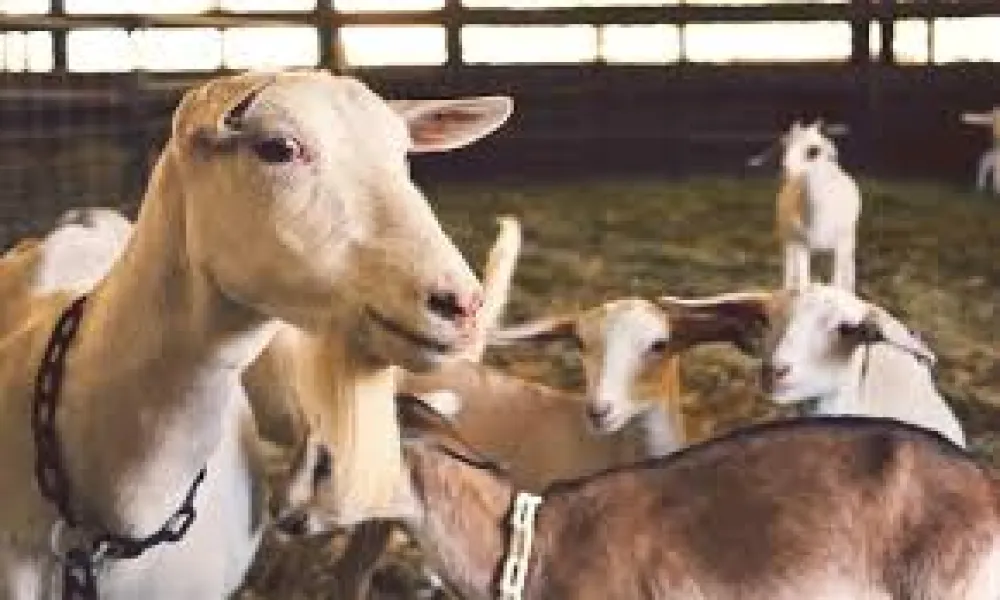

The number of animals culled due to foot-and-mouth disease has reached 4,000, as authorities report no new positive cases and confirm that the virus remains confined to the initial infected area. The vaccination programme within the 10km surveillance zone, described as the final phase for the affected region, is expected to be completed this week.
Following completion, foreign experts will reassess whether vaccinations of sheep, goats and cattle should be extended to other areas of the island using the same approach.
Current epidemiological situation
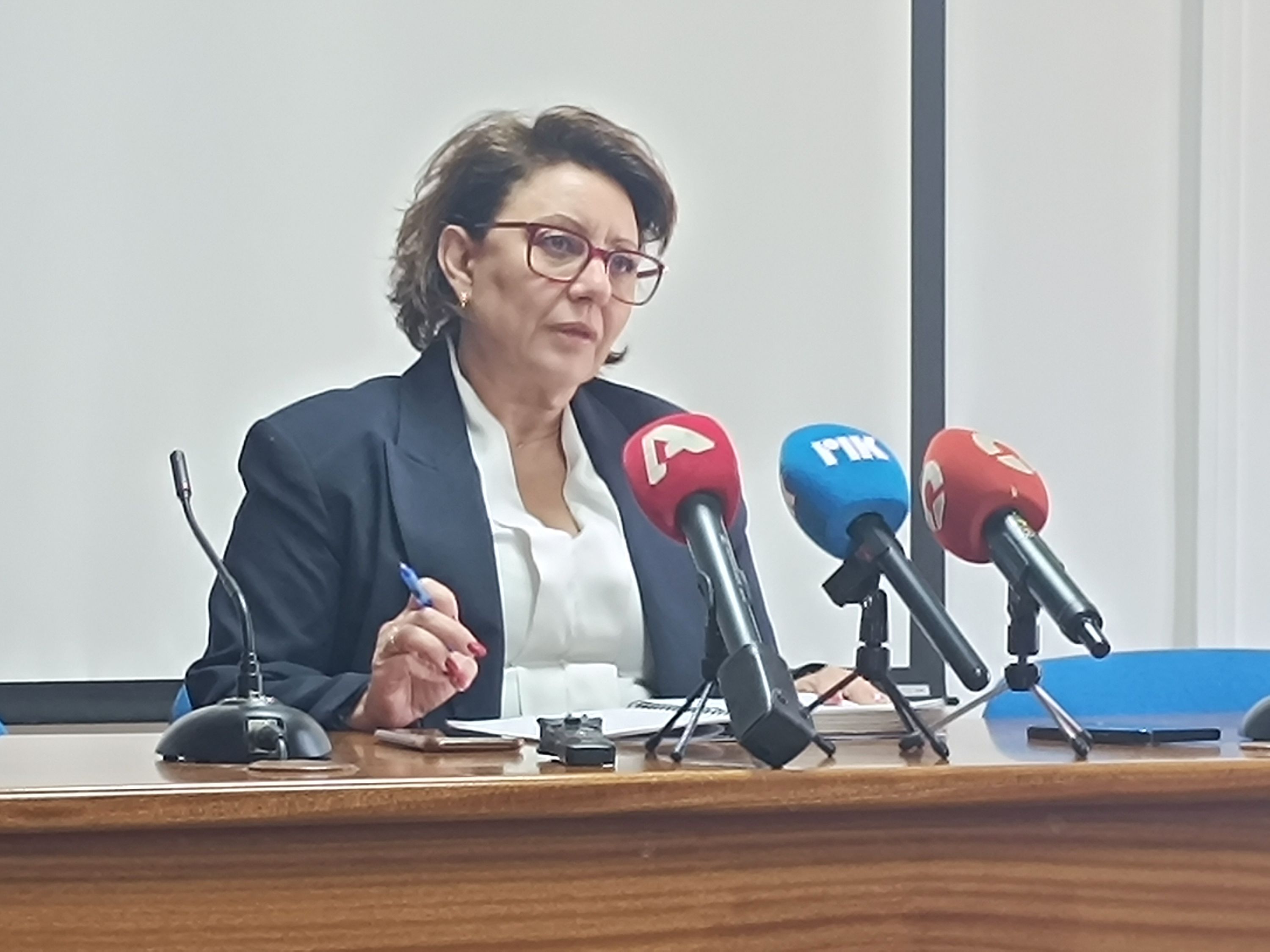
Senior Veterinary Services officer Sotiria Georgiadou stated in the daily briefing that the situation is considered stable. No additional positive cases were recorded on Tuesday.
Vaccinations of sheep and goats are continuing through private veterinarians, who by Monday evening had obtained an additional 26,000 vaccine doses to cover 42 units located within the infected zone.
At the same time, the Veterinary Services are proceeding with the assessment of the market value of animals to be culled, as well as the evaluation of destroyed animal feed and milk in infected units. Farmers will be compensated accordingly.
Culling in Aradippou and Livadia
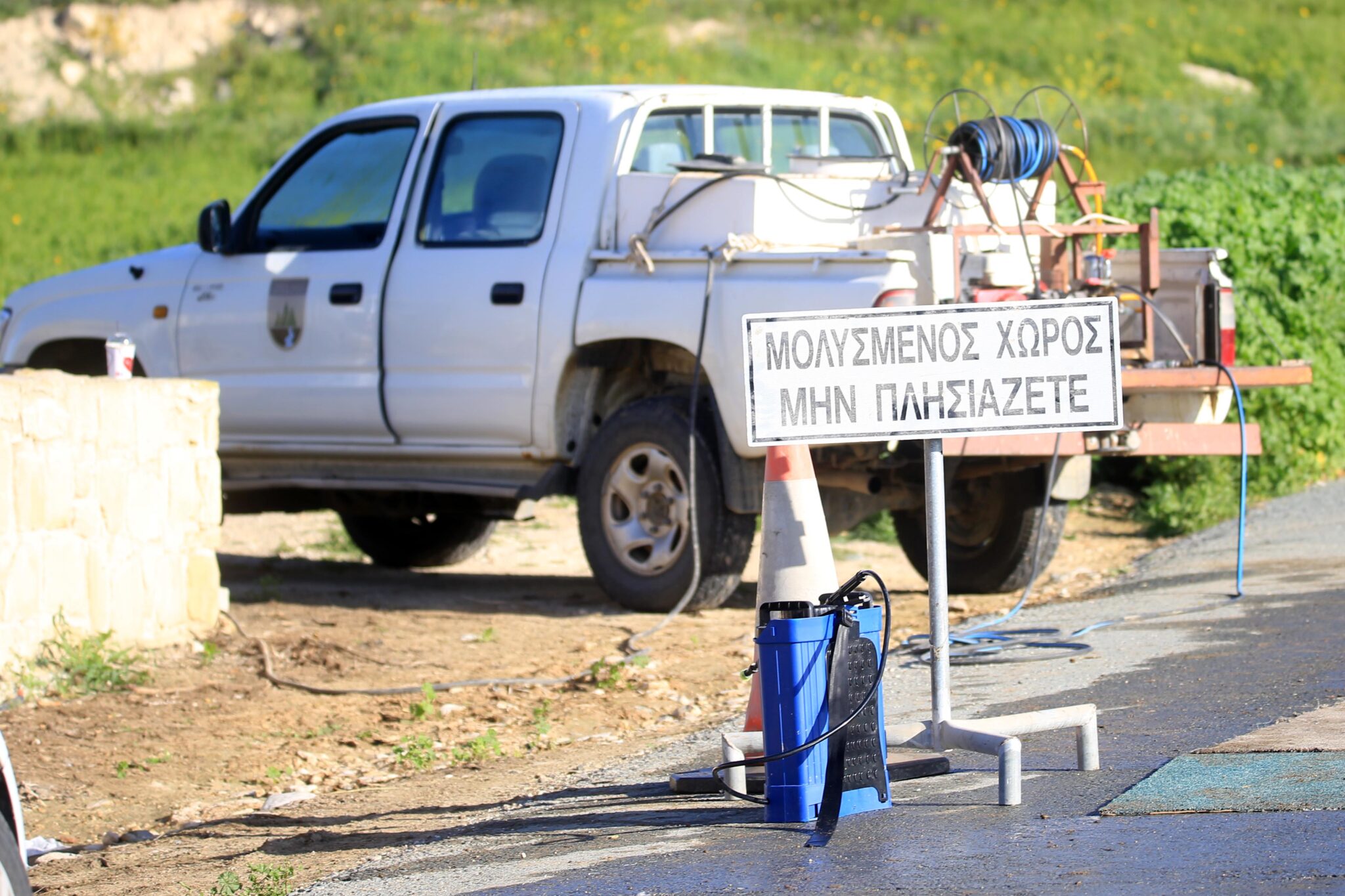
Culling operations are ongoing in two units in Aradippou and Livadia. By Monday evening, approximately 1,300 sheep and goats had been culled in those areas, with a further 2,700 expected to be culled on Tuesday and Wednesday. A small number of cullings remain pending in the Oroklini area.
To date, the total number of animals designated for culling has reached approximately 20,000 across 22 infected units. Previously, 263 cattle were culled, and no additional infected cattle have been identified for destruction.
Georgiadou clarified that culling is mandatory under animal health legislation once laboratory results confirm infection with the virus. “It is not a matter of the farmer’s approval. The measures are imposed under the legislation on animal health and specifically that concerning foot-and-mouth disease,” she said.
Laboratory accreditation and public concerns
Responding to doubts expressed regarding sampling results, she stressed that all samples collected are also retained for the creation of a national sample bank for this specific outbreak, as is done for other diseases. The material is stored for archival and research purposes.
She underlined that the Veterinary Services laboratory is accredited, subject to daily checks and in direct communication with the National Reference Laboratory. Annual inter-laboratory tests are conducted using unknown samples to verify accuracy. If incorrect results are produced, the European Commission is immediately notified and the laboratory’s licence to issue results is suspended.
“For us to continue operating with this capacity means that we have consistently met the required standards,” she said, calling for an end to public doubt and accusations against staff who have been working continuously since the first sample was received.
Sampling checks are also being carried out in other districts.
Georgiadou noted that the disease remains contained within the 3 to 10km infected zone in the free areas and expressed hope that it will remain there. While acknowledging that the situation may appear unfair to farmers within the affected area, she stated that containment and rapid clearance will allow earlier resumption of activity.
Final stage of vaccination plan
Private veterinarians initially vaccinated cattle in the perimeter of the infected area, followed by sheep and goats within a 2km radius of pig units, as pigs are considered more vulnerable. Vaccinations then extended to all sheep and goats within the 3 to 10km surveillance zone.
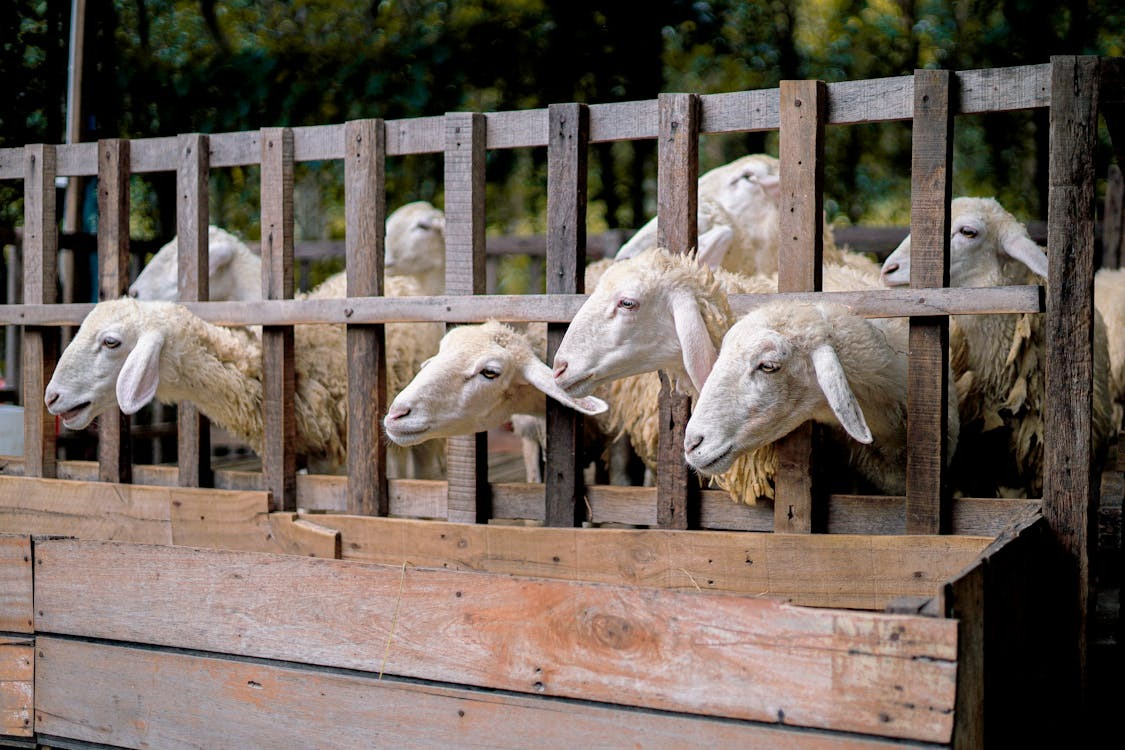
The final phase of this programme is expected to be completed this week. Authorities will then evaluate whether to proceed with similar vaccinations in other parts of the island, depending on whether additional cases are detected outside the current infected zone. Decisions are expected in the coming days.
Call for measures in the buffer zone
In a separate development, the Cyprus Cheesemakers Association has sent a letter to the competent ministries requesting immediate and targeted preventive measures to limit the risks of foot-and-mouth disease.
Among other proposals, the association calls for the revocation or temporary suspension of livestock units located within or near the buffer zone, particularly in the Pergamos area, until full compliance with biosecurity and health protocols is ensured.
It also calls for stricter controls at crossing points and intensified surveillance along the Green Line to prevent any illegal movement of animals, feed or materials that could carry the disease.