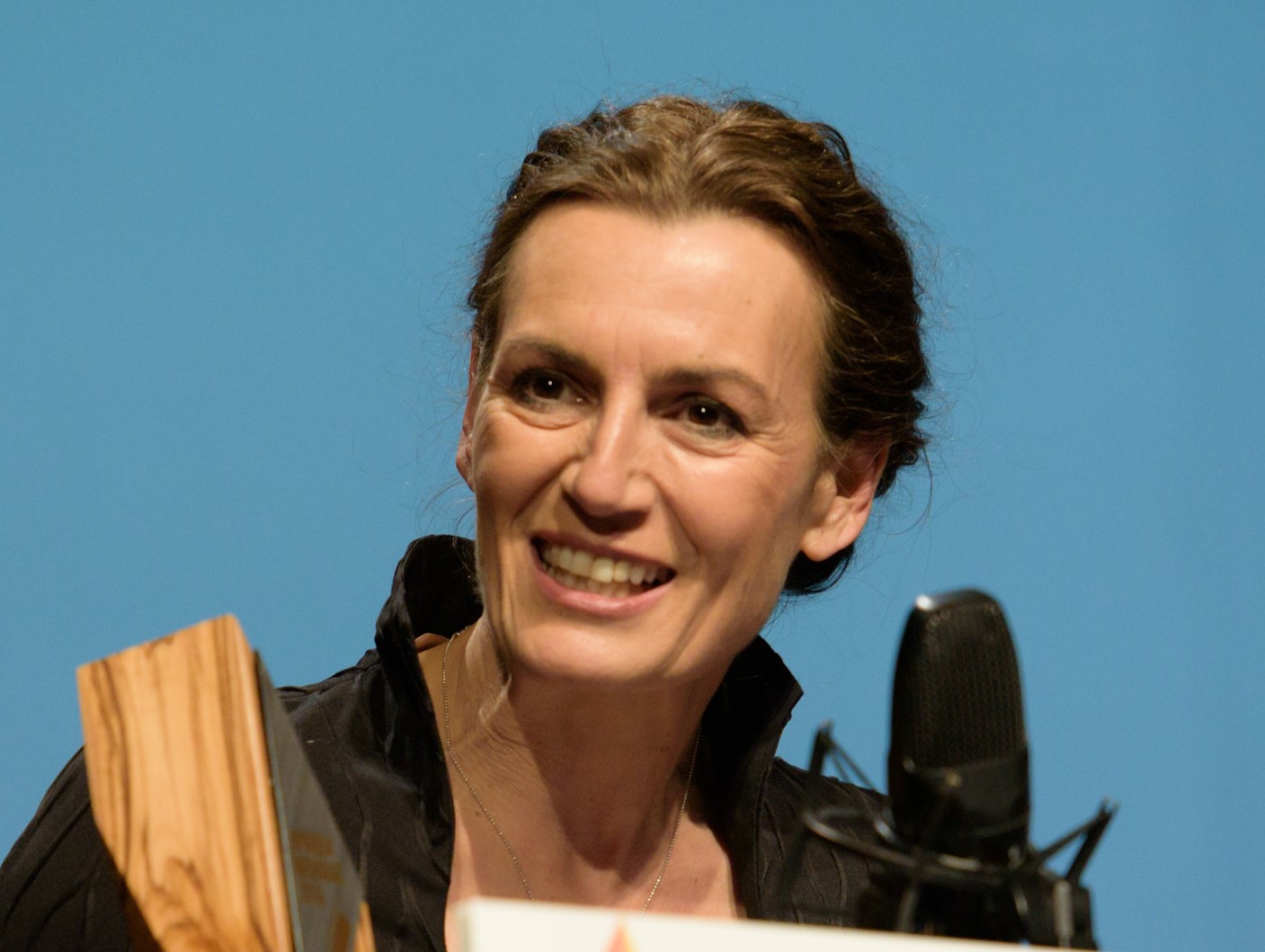
Civil and coastal engineer Dr Xenia Loizidou highlighted the state’s heavy responsibilities and chronic weaknesses in managing the water crisis in an interview on Politis Radio 107.6 and 97.6 on Tuesday.
The chair of the AKTI Research and Studies Centre said Cyprus’ water problem cannot be attributed solely to weather conditions. It is largely the result of political choices, delays and omissions over the past two decades, she said.
Dr Loizidou clarified the difference between the terms drought and water scarcity. “We have both,” she said. The key difference, however, is that drought is related to climate, while water scarcity is directly linked to how we manage our water resources. “Since the early 2000s we knew that our region was entering a severe climate crisis. Scientists said it, studies said it. We knew what was coming,” she argued.
According to Dr Loizidou, the Eastern Mediterranean – and Cyprus in particular – is being affected by climate change at a faster rate than the global average. This means overall less rainfall, but also more extreme phenomena, with heavy rain falling over very short periods of time. “Rain that used to fall over one day now falls in half an hour,” she said, describing a reality that has direct consequences for infrastructure management.
Infrastructure
Dr Loizidou argued that the core problem is the failure to adapt in time to the impact of climate change. One of the most striking examples is the water supply networks. In some areas, she said, losses reach up to 65%. “If a village needs 100 cubic metres of water, in practice only 35 are consumed. The rest is lost in the network,” she said, stressing that these enormous losses have been known for years but were never addressed with the seriousness required.
“What contracts are these? What agreements are these?”
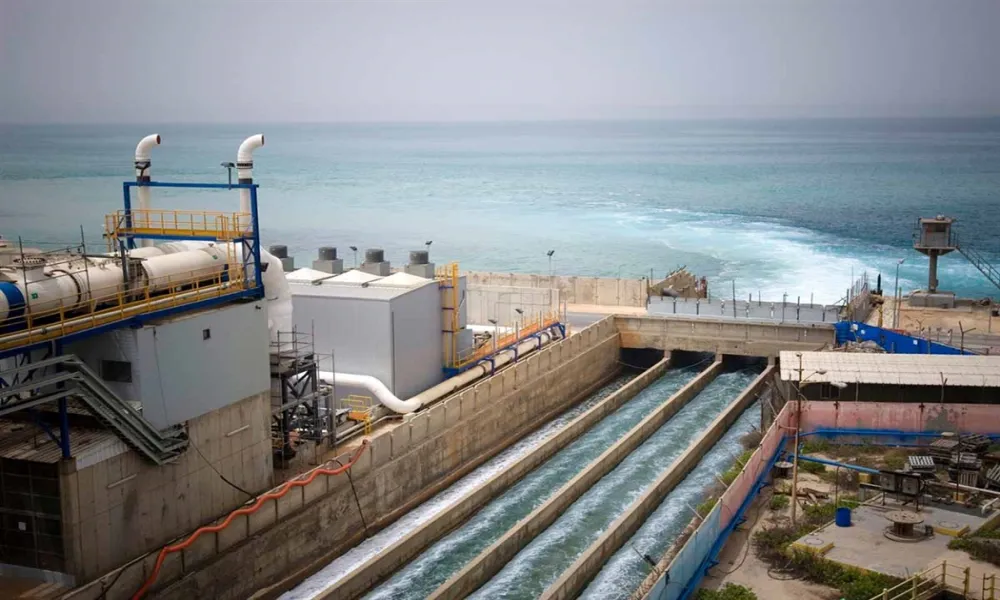
Referring to desalination plants, she clarified that they are not in themselves a wrong solution. The problem, she said, is that they are implemented without an overall and long-term plan. She cited as an example the discussion around a desalination plant in Mazotos and the prospect of private management.
Her concern focuses on the fact that the plan is for desalination units to belong to private operators, who will have the ability to set prices. At the same time, she explained, the state currently acts as a subsidiser: it buys desalinated water at around €2 per cubic metre and supplies it to farmers at €1 or even 80 cents, absorbing the difference. In this context, she expressed serious reservations about the plan for a private desalination unit in Mazotos, involving the granting of state land and infrastructure and a commitment by the state to purchase the water for years.
She raised the question of what will happen when these units fully pass into private hands, to whom land and funding are granted, while profits remain exclusively theirs, she argued.
According to Dr Loizidou, private profits would be particularly high, especially if the units are combined with photovoltaic systems. “The cost of water does not exceed 40 cents per cubic metre,” she said.
“What contracts are these? What agreements are these? And are we going to hand over the most important good, water, to private interests?” she asked, stressing that “the competent authorities must clarify this for us, because we are entering very dangerous paths for an island that already has a problem.”
Mia Milia
She made special reference to the Mia Milia pipeline. “We have been saying this for 10 to 15 years. We pay for the treatment, but we do not use the water,” she said. According to Dr Loizidou, more than 10 million cubic metres of water per year could be utilised, mainly for agriculture, reducing the need for desalination and limiting costs. Regarding the recently announced measure to connect the plant to the Greek Cypriot side via a pipeline, she expressed reservations, saying: “We’ll see.”
Contradictions in water policy
Dr Loizidou also pointed to contradictions in state policy. On the one hand, citizens are called on to limit consumption and report neighbours for wasting water. On the other, irrigation is observed in public spaces even when it is raining. In the same context, she criticised the licensing of water-intensive activities. “We issue permits for golf courses. This should be banned outright,” she said.
Agriculture
As for agriculture, Dr Loizidou made it clear that it cannot be abandoned. As she noted, the primary sector is directly linked to food security and the country’s resilience. She also recalled that cultivated land acted as a natural firebreak during wildfires, in contrast to abandoned areas.
This article was originally published in Greek in Politis.