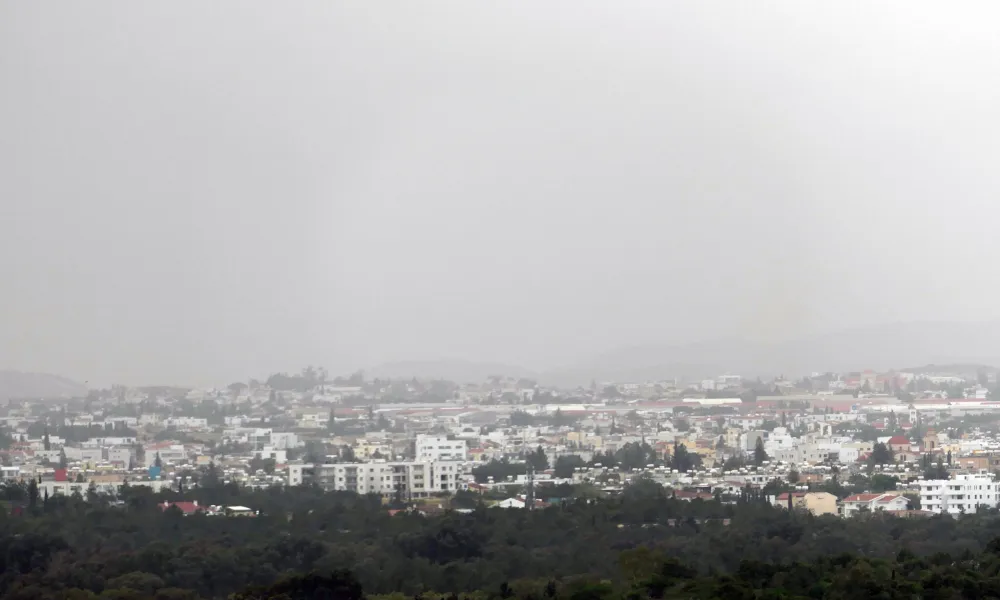

A reduction exceeding 20% in solar radiation reaching photovoltaic systems in Cyprus is recorded during intense dust episodes, according to new scientific research by The Cyprus Institute. The decline translates directly into a corresponding drop in solar energy production compared with days of clear atmospheric conditions.
The findings are considered particularly significant for Cyprus, which is investing strategically in solar energy while being increasingly affected by frequent dust events.
Measured impact on photovoltaic performance
According to the study, the most substantial losses are recorded on otherwise clear days, when under normal conditions energy production would be high. During dust episodes, photovoltaic performance can decrease abruptly and unpredictably.
Researchers note that this variability creates additional challenges for the management and stability of the electricity grid.
Research methodology and data analysis
The study was conducted by researchers at The Cyprus Institute in collaboration with the Cyprus University of Technology and with the participation of industry partners.
As part of the research, scientists developed a new machine learning model and analysed more than 1.6 million hourly measurements from 472 photovoltaic installations across Cyprus. This methodology enabled the precise identification of when and to what extent dust episodes affect energy production, clearly distinguishing the impact of dust from that of cloud cover.
The results are described as a critical tool for energy planning and for improving forecasting in regions frequently affected by dust events, such as Cyprus.
Expert statement from The Cyprus Institute
Dr Theodoros Christoudias, Associate Professor at the Climate and Atmospheric Research Centre of Excellence (CARE-C) at The Cyprus Institute, stated that dust is one of the most significant aggravating factors for solar energy production systems in the Mediterranean.
Through the research, Dr Christoudias explained, energy production losses were measured accurately on an hourly basis and under real operating conditions. This enhances forecasting accuracy and allows system operators to prepare in advance for sudden reductions in production, contributing to the safeguarding of grid stability.
Project framework and funding
The study was carried out within the framework of the PV DUST research project, which examines the impact of atmospheric dust on energy production in the Eastern Mediterranean.
The project is funded by the European Union’s Recovery and Resilience Facility under NextGenerationEU, through the Research and Innovation Foundation.