Voices
By Pavlos Loizou *
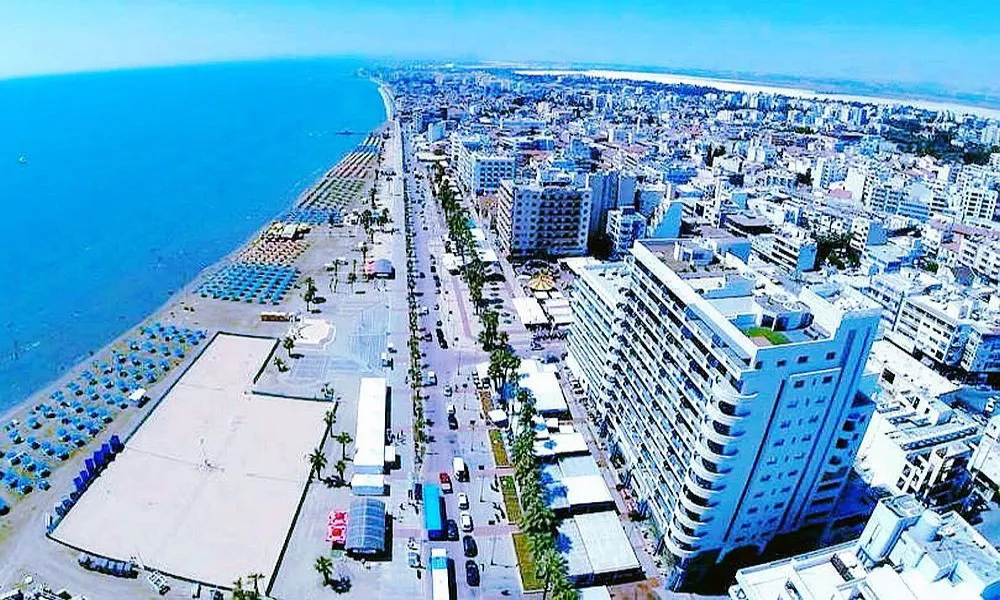
On paper, Larnaca has enviable assets. It has strong road connectivity across the island. It hosts Cyprus’s main international airport. It has a port and marina that, if finally executed properly, could elevate its regional role. Add to this a pipeline of large, well-publicised developments -Land of Tomorrow, Horizon and others- and the narrative of a city “on the rise” seems compelling.
But cities are not built on announcements or infrastructure alone. They are built on incentives, employers and people choosing to stay.
Look closely at the development mix and a pattern emerges. Most major projects are overwhelmingly residential and marketed primarily to overseas investors, not end-users. The dominant story is not relocation or employment; it is yield. Buy, furnish, rent short-term. Housing becomes a financial instrument rather than a foundation for a stable urban community. This can drive volumes and prices in the short term, but it does not create a durable city economy.
Now consider employment. Larnaca lacks major private-sector anchors. Outside a handful of established names, there are few large employers choosing Larnaca as a base. Office developments are scarce, small and peripheral. Without employers, there is no talent gravity. Without talent, there is no demand for offices, innovation, or higher-value services. This is the flywheel that never starts.
The constraints extend further. The private schooling system is at capacity, effectively blocking family relocation, the very group that converts visitors and investors into long-term residents. Tourism, meanwhile, remains largely secondary. Boutique hotels in the city centre improve aesthetics and vibrancy, but Larnaca is rarely the primary destination. It benefits from overflow: when Limassol is too expensive, when Paphos is full, when Protaras is seasonal. Overflow is not strategy.
The result is a city that functions as a fallback. Government services place people here. Commuters live here because housing is cheaper than Limassol. Investors buy here because the airport helps Airbnb performance. But very few choose Larnaca because of a compelling economic or professional opportunity.
This matters, because cities that thrive in the long run are not consumption hubs, they are production hubs. Airports, roads and marinas enable growth, they do not create it. Residential megaprojects can accelerate momentum, but only if they are matched by employment, schools and year-round demand.
Looking ahead 10 to 20 years, Larnaca faces three paths. It can remain an investor-led, short-stay city, attractive, volatile and policy-sensitive. It can correct through oversupply and yield compression if assumptions change. Or it can deliberately build what it currently lacks: anchor employers, office clusters and the infrastructure that allows families and professionals to commit long term.
Until that happens, Larnaca will continue to be dated. Visited. Used. Profited from.
But not married.
*Pavlos Loizou, CEO Ask Wire