


The Nicosia Municipal Garden is preparing to enter its next era, without losing the identity that has made it one of the capital's most recognisable landmarks. The architectural competition being advanced by the Nicosia Municipality is not aimed at creating a new park on the footprint of the old one. The main thrust of the project is the protection, conservation and restoration of the historic garden, alongside an upgrade of its functions so that it meets the needs of a modern city.
The final design will emerge from whichever proposal is selected through the competition. Even so, the programme already clearly sets out the major changes the Nicosia Municipality is pursuing, aimed at the wider revitalisation of the city centre. Buildings that currently stand empty or underused will take on new purposes, infrastructure will be modernised, the playground will be upgraded, and elements connected to the site's architectural heritage will be restored.
In honour of Queen Victoria
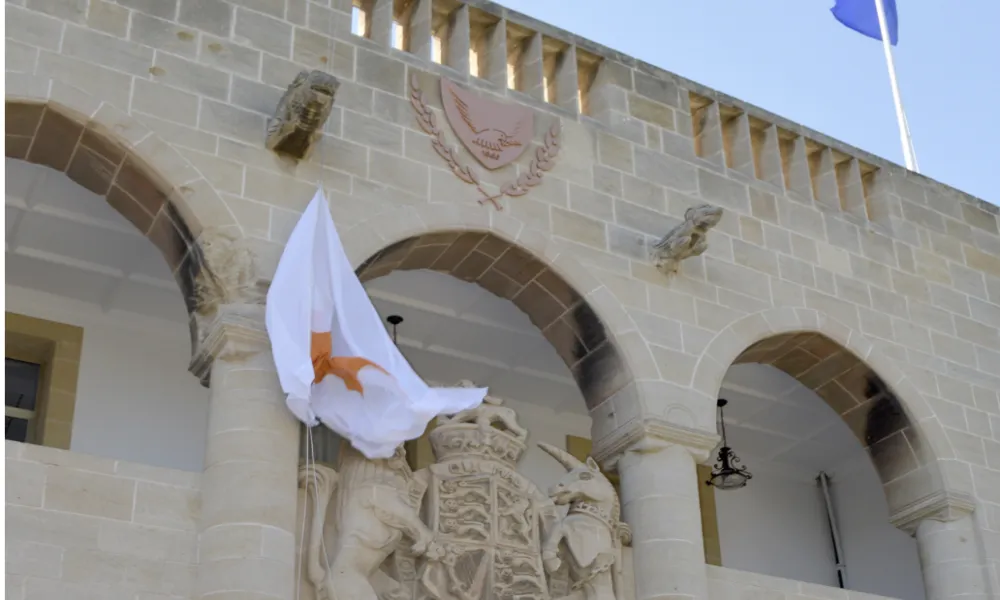
The Municipal Garden was the first garden of its kind in Nicosia and was created in honour of Queen Victoria. The land was purchased by decision of the municipal council in 1901. The form Nicosians know today took shape largely during its reconstruction in 1968 and 1969, to designs by the noted Cypriot architect Neoptolemos Michaelides. The site is considered a unique example of Cypriot modernism and has been declared a listed building. It is precisely this historical and urban-planning significance that determines the philosophy behind the intervention. The aim is not to paper over the marks of time with a superficial renovation, but to bring out the original design, protect its distinctive features, and remove later additions and materials that have altered its authentic character.
Preserving its identity
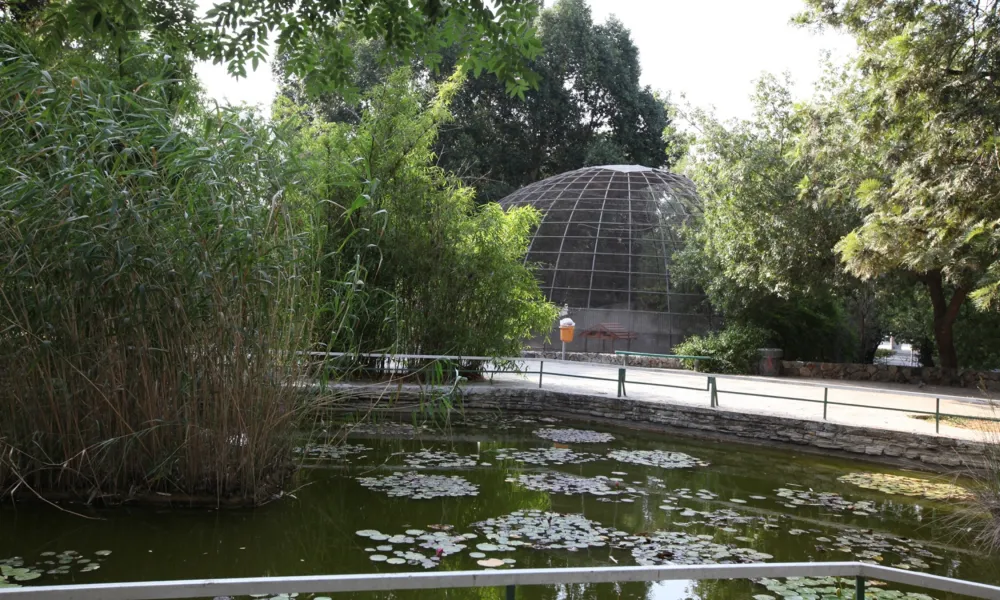
The first set of works covers the elements that make up the garden's character. The vegetation, the pathways, the central area, the materials, the ponds and the other water features will be conserved and upgraded.
Particular care is planned for the stonework, the pergolas, the fencing, the busts and the distinctive concrete rainwater collection channel. The same applies to the zoological collection, which forms part of the site's collective memory. The circular aviary is to be conserved and restored, while the pond with the geese will be upgraded.
At the same time, a space will be designated for the future installation of a work of art, introducing a new cultural reference point within the historic landscape. Structural interventions will follow the principle of minimal, targeted intervention.
The nursery and the refreshment stand
A significant part of the renewal concerns the existing buildings. The nursery, originally used as the municipality's plant-rooting facility, will be preserved as a space for events, exhibitions and other activities. The current gardeners' building and storeroom are set to be converted into a snack-bar-style refreshment stand. To function properly, the necessary auxiliary spaces will be added. At the same time, new offices and new storage areas will be created for garden staff. The existing restrooms will be upgraded internally, with improved accessibility for people with disabilities and facilities for families, such as a baby-changing area.
A playground for everyone
The playground will remain in its existing location but will receive new equipment and play features suitable for children with disabilities as well. The existing levels and basic structures will be preserved, with the aim of creating a safe, functional and engaging environment without losing what makes the site distinctive. New street furniture, including benches, seating, bins and lighting, will be installed throughout the garden. Electromechanical installations, rainwater and drainage networks, and the irrigation system will also be upgraded. The project will also incorporate smart-city infrastructure, including internet connectivity and security systems.
The preliminary cost is estimated at €4.1 million. Funding will come from the Green Line area regeneration programme and from the Nicosia Municipality. Based on the timetable, construction is expected to be completed in March 2029.
Prountzos: it will return reborn without losing its authenticity
Speaking to Politis about the planned renewal, Nicosia Mayor Charalambos Prountzos stressed that the project is not being treated as a simple renovation of green space, but as the substantive showcasing of one of the capital's most important historical and architectural landmarks. He described the Municipal Garden as "inseparably linked to the history of Nicosia," adding that its renewal therefore represents a significant and demanding responsibility for the municipality. He said the aim is not to create a new garden in place of the old one, but to restore and highlight the elements that make it unique, while giving it the infrastructure it needs to meet today's requirements.
As he explained, the architectural competition sets respect for Neoptolemos Michaelides' design and for the distinctive character of Cypriot modernism as a basic condition. At the same time, the goal is to create a space that is safer, more functional and more accessible to everyone. He said the restoration of the pathways, ponds, vegetation and historic structures, the upgrade of the playground, the creation of the refreshment stand and the use of the nursery for events and cultural activities would breathe new life into the garden, adding that particular importance is being placed on accessibility for people with disabilities, facilities for families, and the creation of a public space that is genuinely open to everyone.
Prountzos linked the renewal to wider changes in the area, noting that the Municipal Garden sits at the centre of a new cultural and public hub, alongside the House of Representatives, the Municipal Theatre and the new Archaeological Museum. He concluded by saying the ambition is for the garden to be returned to citizens substantially reborn, with full respect for its memory, authenticity and distinctive atmosphere.