
By Christian Christou*
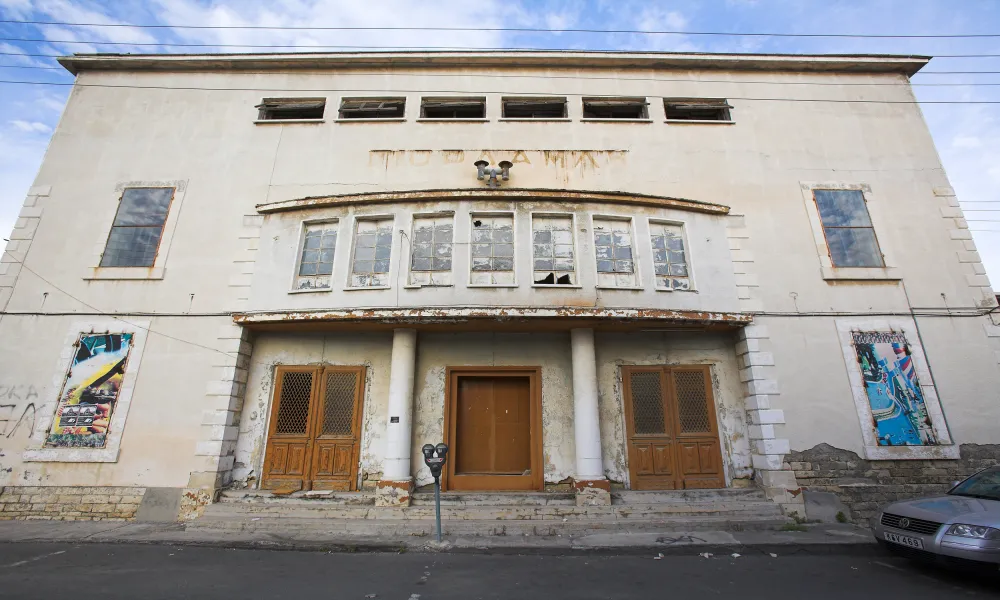
Alambra sat at the very heart of Gladstonos Street, opposite the Acropolis family center and across from the summer Giordamli cinema, anchoring one of Limassol’s most vibrant cultural corners.
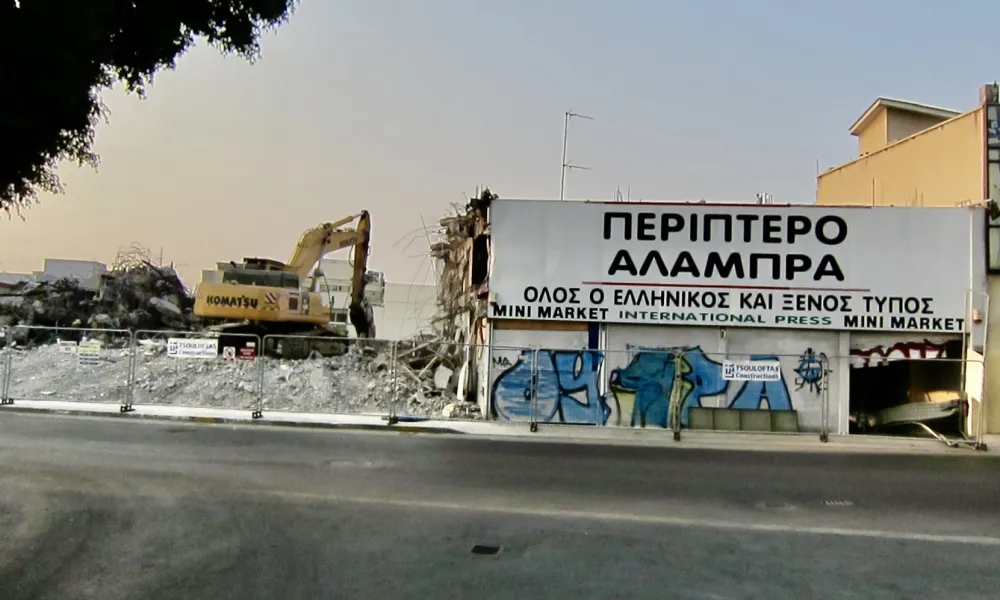
The building that once housed Limassol’s beloved Alambra summer cinema, along with its iconic kiosk selling nuts, local and international newspapers, the “Andros” photo studio, and Phidias’s barber shop, was recently torn down on Gladstonos Street. Its demolition is a bittersweet reminder of how the rise of videocassettes reshaped the city’s cinematic landscape. With most cinemas, summer and winter alike, closing their doors, Alambra itself eventually transformed into a nightclub, a chapter that lasted until relatively recently.
Since the 1940s, Gladstonos Street has been Limassol’s beating heart of film and leisure. Almost every cinema, whether summer or winter, was located here or just steps away, making it the city’s prime promenade and social hub.
Traveling west along Gladstonos, you would have come across the summer Pantheon at the corner of Gladstonos and Agias Fylaxeos, which closed early, and a little further down, the Rio; the only cinema rebuilt, now boasting four modern halls. Other landmarks included the summer Zappeio at Gladstonos and Nafpliou, the winter Othellos at the end of Thessalonikis Street, and the winter Pallas, which eventually transformed into the Patticheio Municipal Theatre. All were clustered west of Pentadromo, shaping the city’s cultural map.
Further east, cinema-goers flocked to the summer Pallas behind the Acropolis family center, the Alambra and Giordamli summer halls, the summer Athena next to the Oasis center, and the summer Rialto on Zenonos Street (now a parking lot) just 100 meters from Gladstonos. The winter Giordamli still stands today, a protected building undergoing renovation near Heroes’ Square. The winter Hellas, once near the Catholic Church, was demolished decades ago.
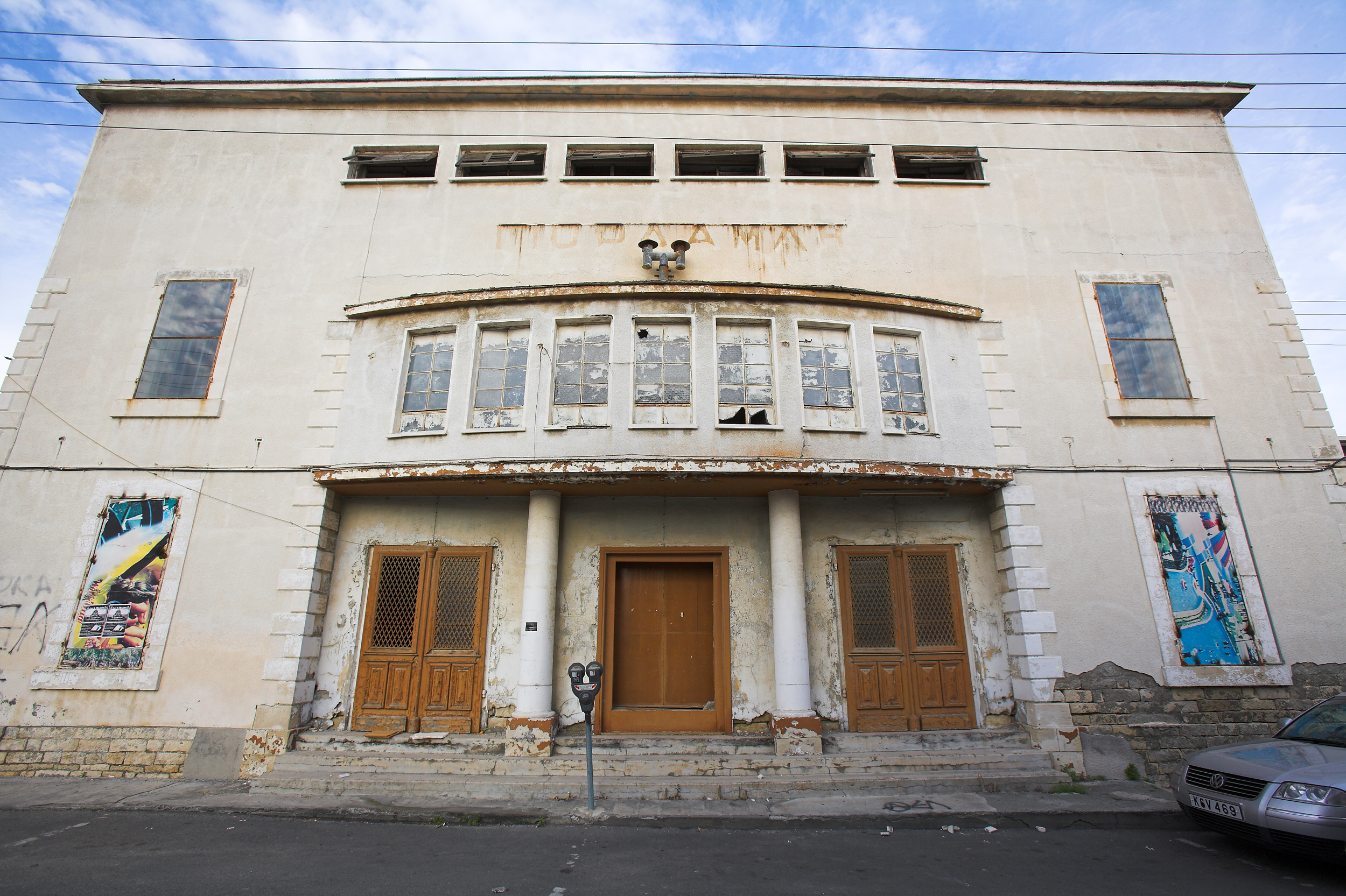
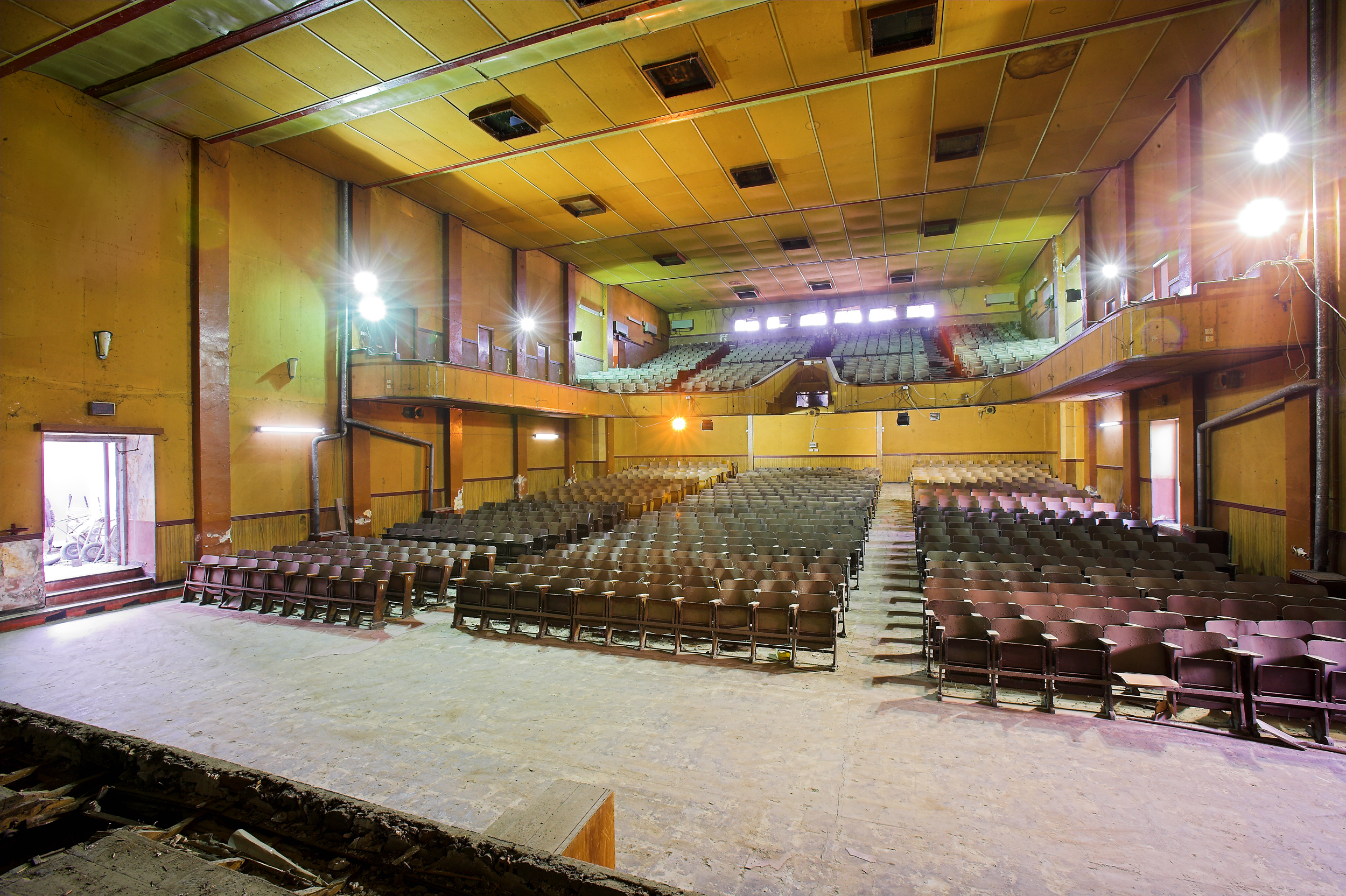
Thanks to the generosity of the Cooperative Savings Bank and the foresight of certain Limassolians, the winter Rialto was preserved, a lasting gift to the city’s cultural memory. Elsewhere, buildings that once housed the winter Rekal and Ariel cinemas survive, while Cine Volos, once a fixture in the Agios Ioannis parish, is now a supermarket.
Summer cinemas were not limited to the city center. Neighborhoods and suburbs like Polemidia, Agios Athanasios, and Germasogeia had their own halls, with Rivoli on Agias Fylaxeos standing out as one of the busiest. The Turkish Cypriot quarter also hosted at least three cinemas; two buildings remain, one serving as a community hall, while the other, lost to fire two years ago, is slated for reconstruction as a Cultural Center thanks to the initiative of Mayor Yiannis Armeftis and the municipal council.
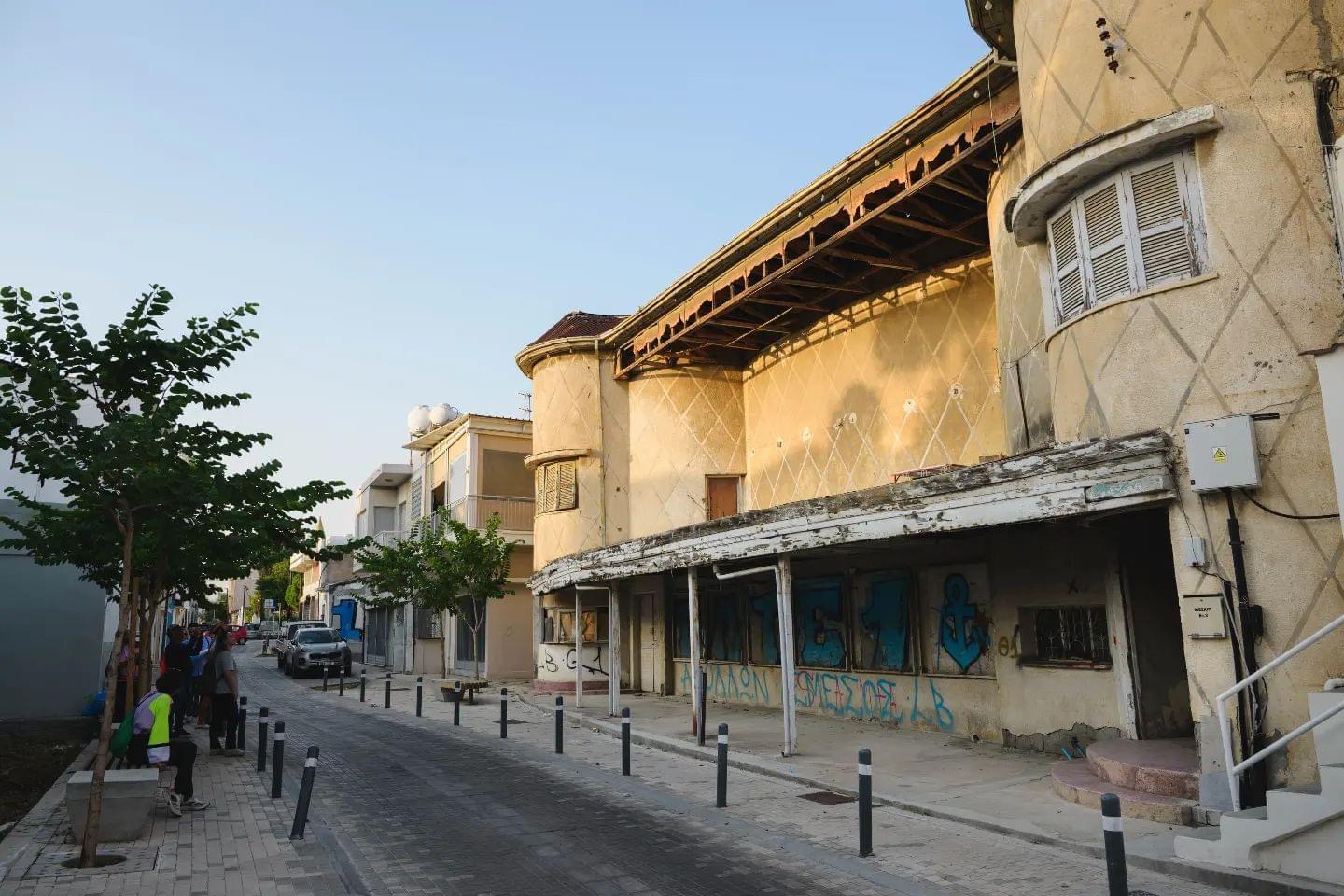
Cinema was once the heart of entertainment for Limassol’s working-class families. Halls were packed, and for a few hours, moviegoers could escape to distant lands and exotic adventures.
Competition among cinema owners was fierce. Posters plastered on walls and cars with loudspeakers drove through the streets, announcing new films. Handbills detailed plots, and staff eagerly sold refreshments. Summer cinema audiences could bring their own pies or souvlaki, order coffee or soft drinks from the buffet, and enjoy them at small tables right by their seats. Intermissions were a ritual, giving patrons a chance to grab cold drinks from tin containers hung in front of the servers.
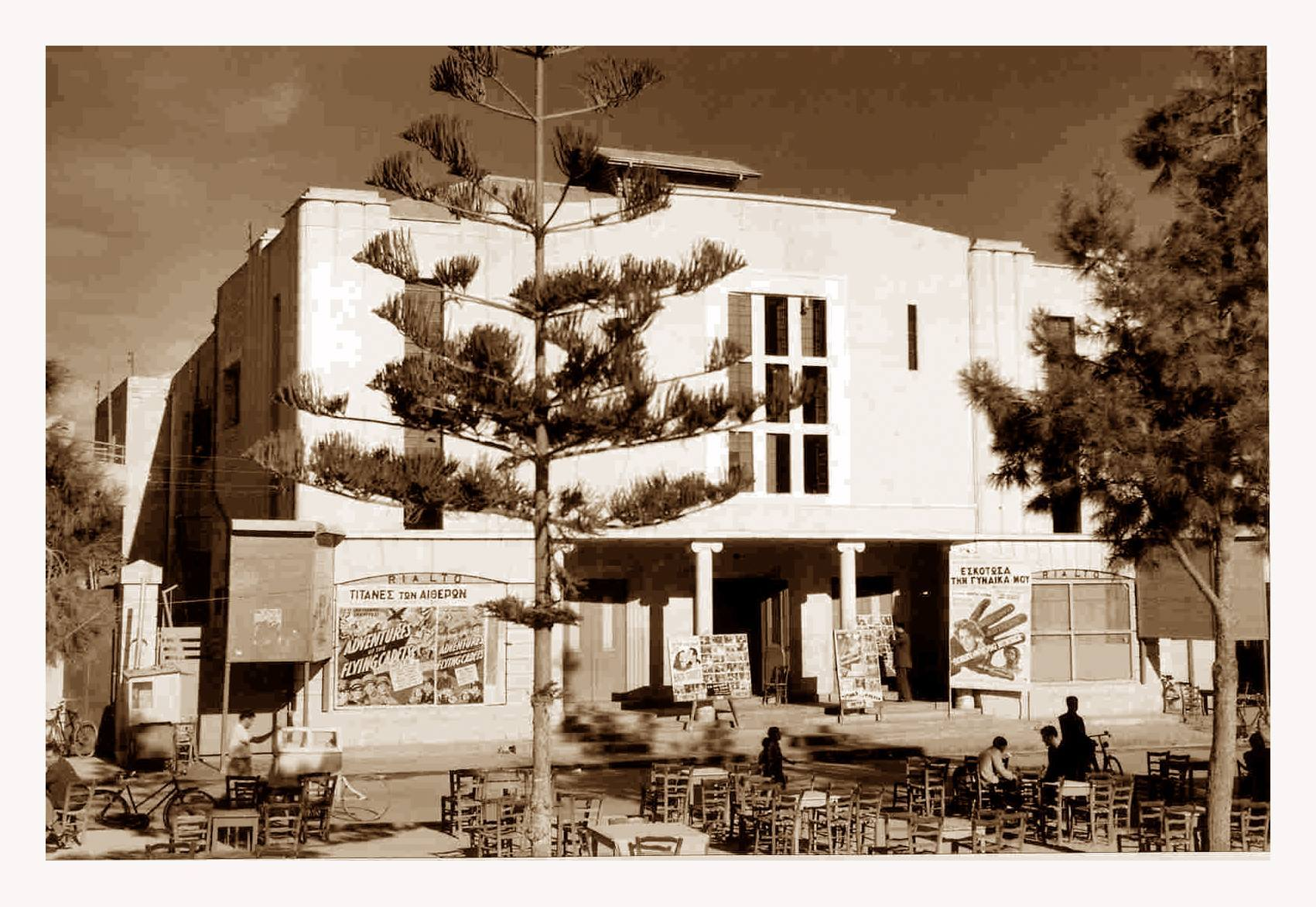
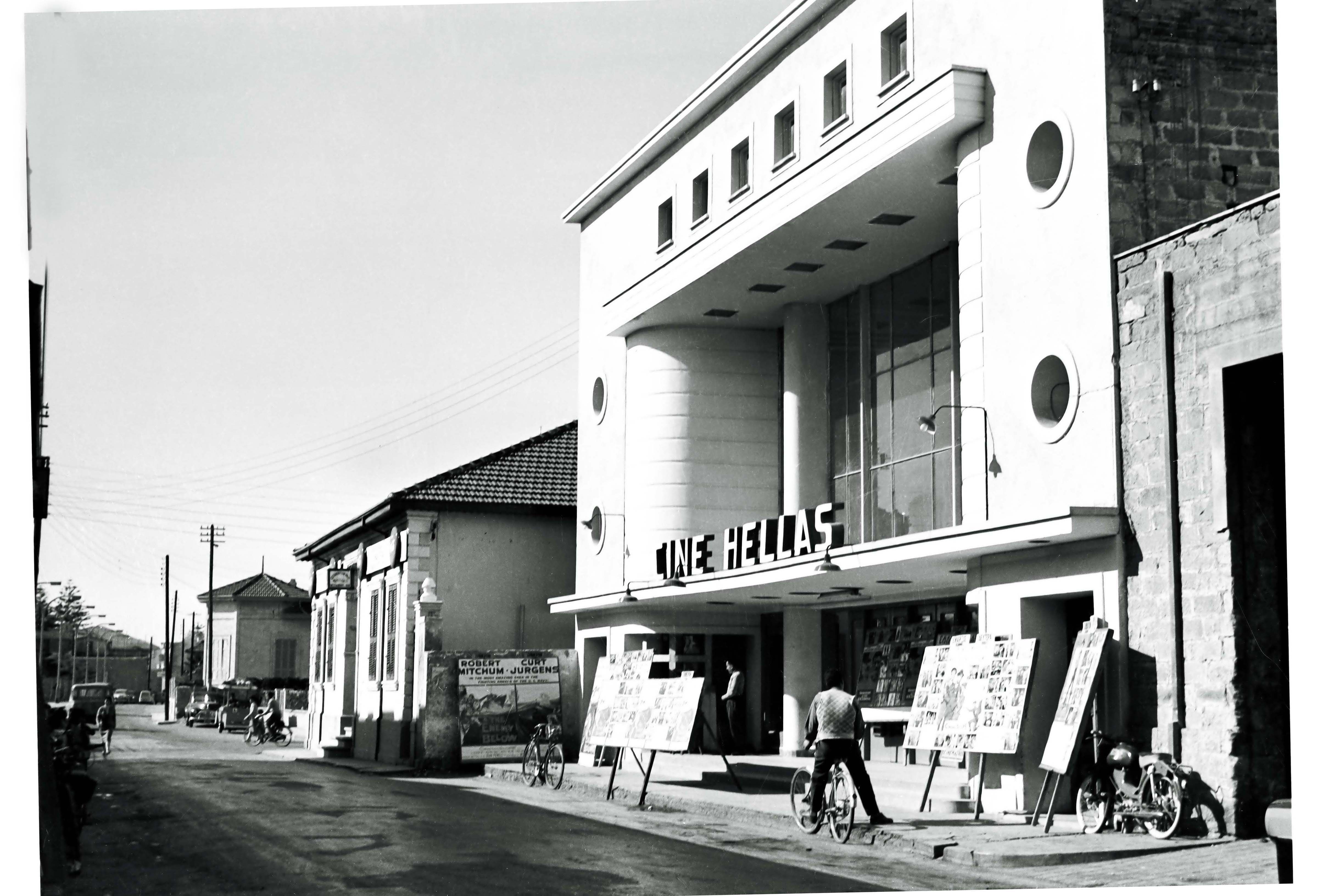
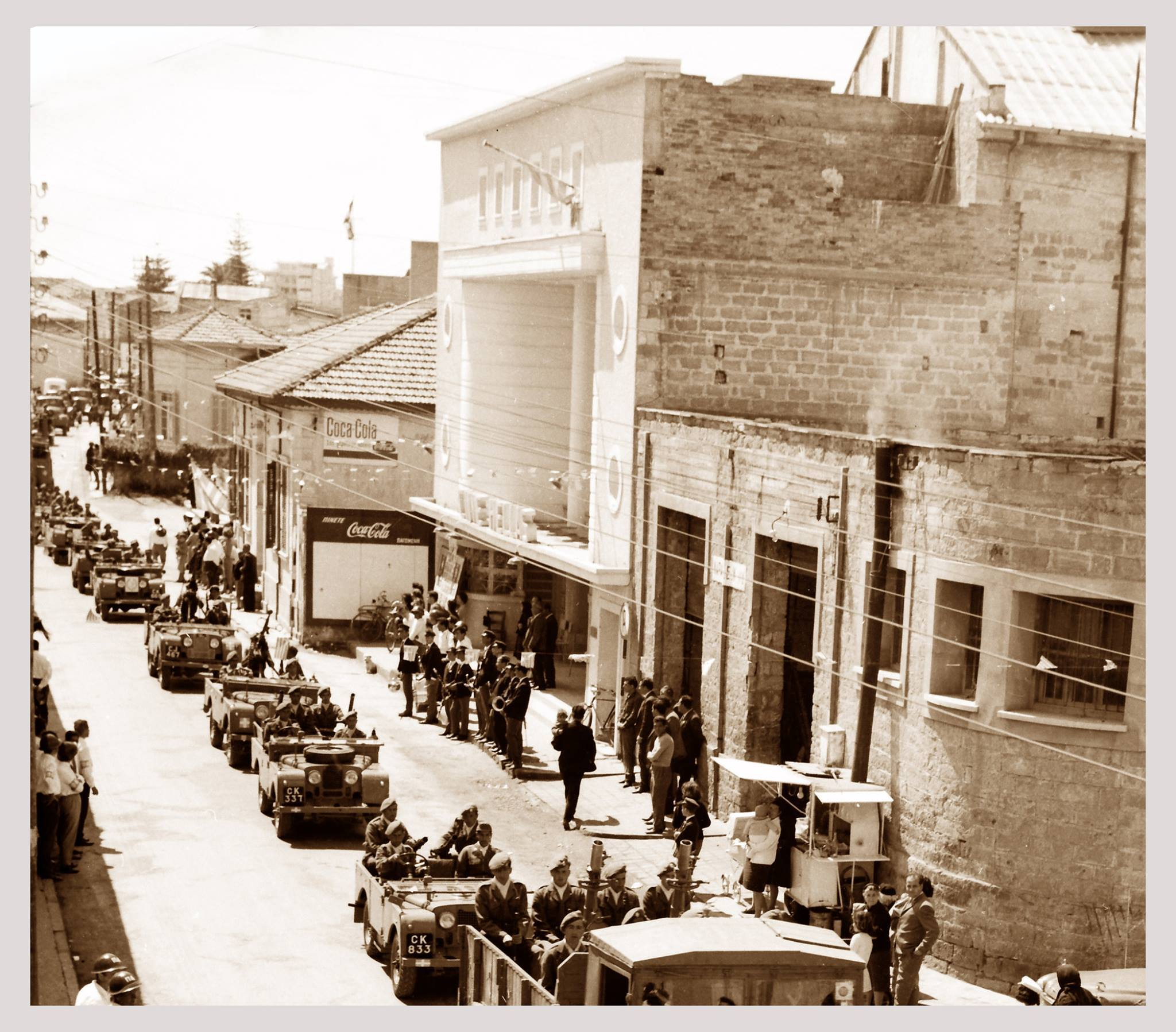
These halls were more than cinemas. They hosted theatrical troupes from Greece and Cyprus, musical performances, school plays, and political and union gatherings. Yet their pinnacle came during Carnival, when halls like Rialto and Giordamli removed the main seating to become grand dance venues. Orchestras played, tables were set, and the city’s societies and organizations held glittering balls.
The décor was always lavish and memorable, thanks to local artists G. Mavrogenis and Rasiit. Those lucky enough to witness it still carry those images in their hearts.
These cinemas weren’t just buildings; they were the soul of Limassol’s social and cultural life. And though many have disappeared, their stories remind us of the city we once knew, and loved.
*Architect