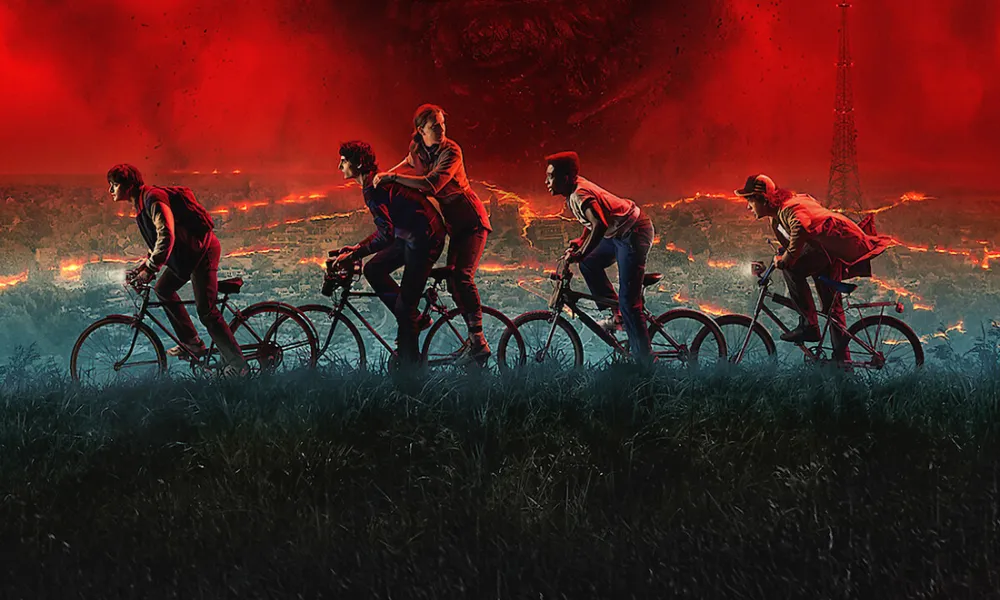

“Stranger Things” began, fittingly, with Eleven, a child weapon who escaped a lab and walked into our hearts. It ends with her too, though whether she gets away with it or not is almost beside the point. It's really amazing how a show that thrived on the terror of the unknown became a global cultural handshake. The person at Netflix who decoded the recipe for global common understanding, please forward it to the UN.
I mean honestly, when Netflix said yes to the Duffer Brothers’ script, they either knew they had a gem or stumbled into one like a Demodog sniffing out a snack. Season by season, the series grew on us, a creeping vine from the Upside Down, wrapping itself around the living rooms.
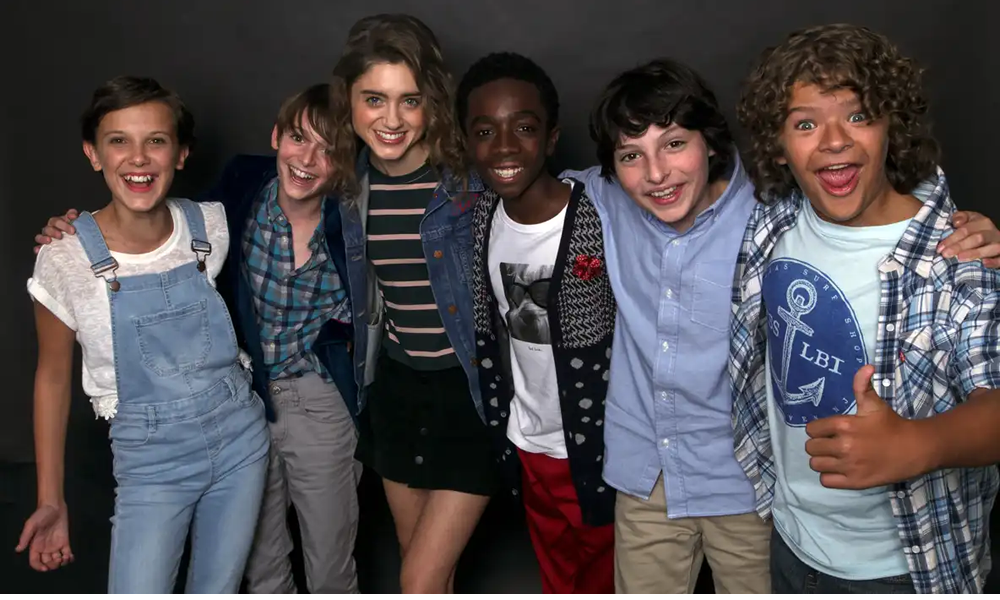
By the time we reached the final season, the kids were no longer kids but professional actors playing their age, and the 80s aesthetic had become a lovingly questionable cosplay of itself, doubtable aesthetics and all.
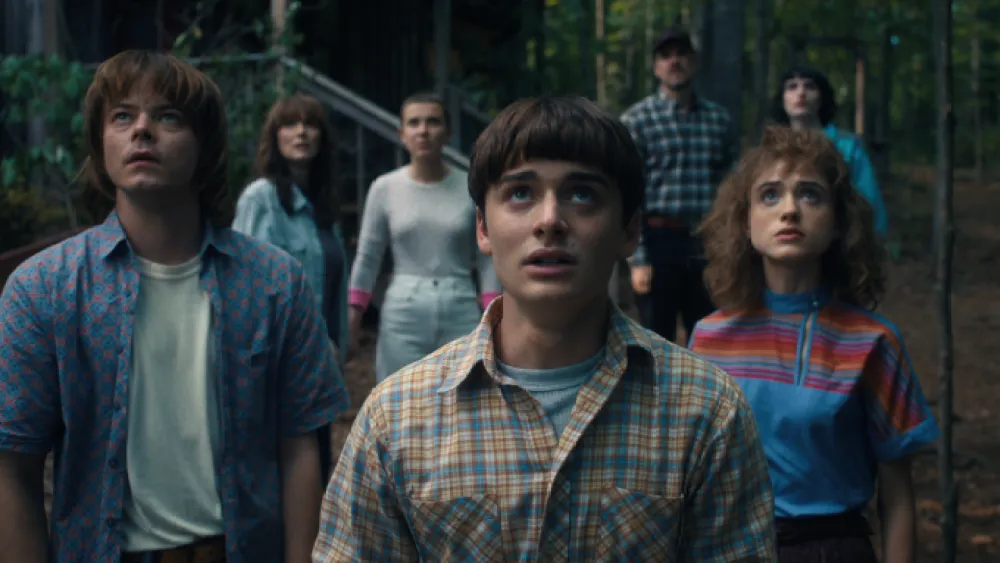
This isn’t a review that trashes the colossal effort behind the show. We’re family at this point. These kids grew up in our homes. We’re allowed to have opinions the way parents do. Respectfully, of course.
Season 5 Episode 6 deserves a shout‑out. It was my “explainer episode”, my favourite, the one that connected dots I didn’t even know were dots. But somewhere there it was also painfully clear: no one was going to die. And that, frankly, was the season's biggest narrative weakness. The stakes were apocalyptic, skies cracking open, Vecna omnipresent, I mean he even manage to enter the cave, Demodogs sprinting like caffeinated greyhounds, yet our heroes walked away with no scratches. Random soldiers were killed instantly from a single hit but the main cast survived falling eight floors or a couple of universes, despite wrongly pressing the button that would ruin the world. And when this goes on and on the tension deflates. And the tension is necessary.
Then came the finale: 2 hours and 8 minutes, half of it solid but déjà‑vu‑ridden battles, the other half a rapid‑fire wrap‑up that practically fly‑by‑shot every character for, what, a minute each? Forty‑two episodes of buildup, resolved in roughly the time it takes Vecna to shove a tentacle down someone’s throat. Even Dustin’s graduation, the emotional coda with Eddie’s uncle, and the Iron Maiden “Trooper” wink weren’t enough to give me the decompression I desperately needed. Ok, no flowers grow on normality road, but a moment to breathe with the heroes, just a moment of narrative oxygen, would’ve been… nice.
Oh I almost forgot. And bless Winona Ryder. In the final season she finally gets something real to sink her teeth into, unleashing the exact fury any mother would if she ever came face‑to‑face with the creature tormenting her child. And right beside her stands Hopper, the stubborn father who would walk through fire or Russia and burn the Upside Down to ashes if that’s what it took to keep his girl safe. It’s around these two parents that we stay grounded, feeling the real trauma of the story, the kind that goes far beyond Vecnas and Demodogs. And maybe that’s the biggest spoiler of all: for parents‑to‑be, the agony never ends!
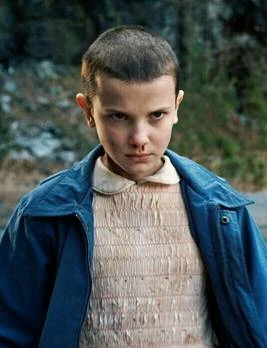
And finally, Eleven. Whether she “made it” or not is left suspended, but the truth is this: the show was always disturbing because whatever was happening, was happening to children. Kids fighting monsters, kids carrying trauma, kids saving the world while barely tall enough to reach the top shelf. That was the magic, and the ache, of “Stranger Things.”