2016–2026: A decade of waiting
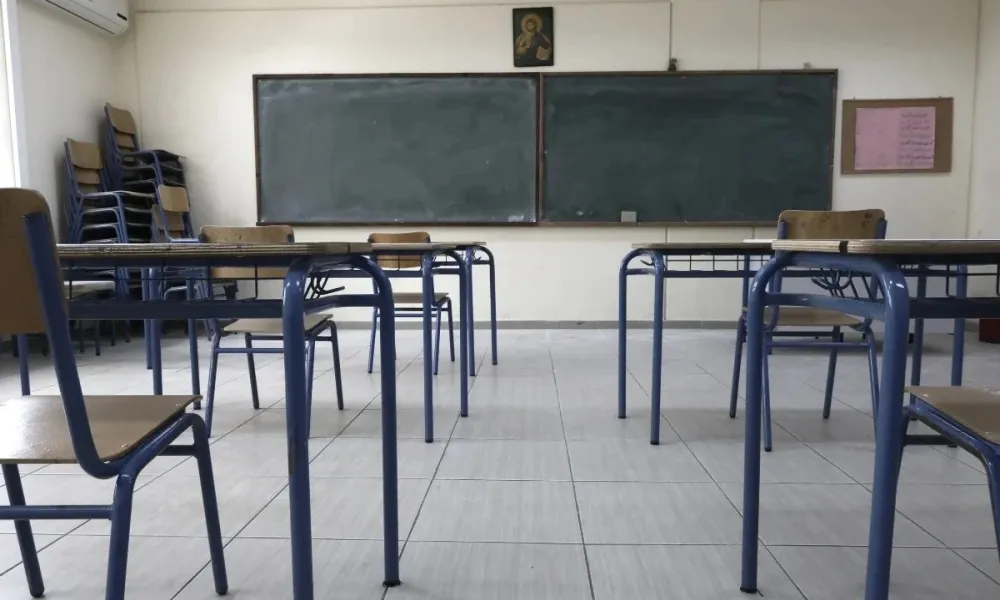
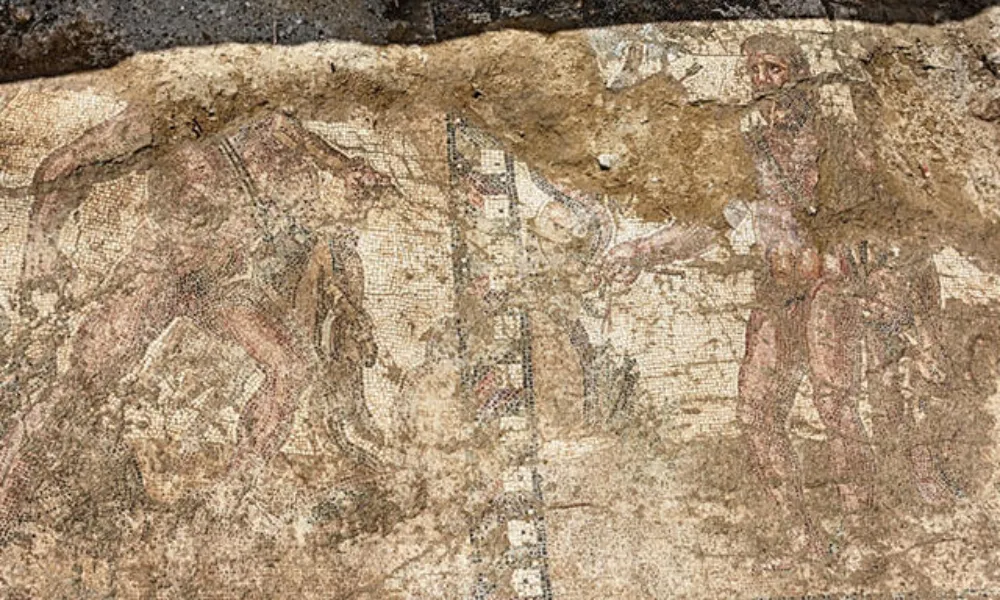
Ten years have passed since sewage system works on Larnaca’s Agios Neophytos Street in the Chrysopolitissa area uncovered a mosaic floor of exceptional archaeological value, featuring scenes from the Labours of Heracles. A decade later, a proper presentation and promotion of this major find has still not been achieved. The street remains closed to traffic, and for years authorities have been unable to find the “golden formula” to complete the required procedures – most notably the expropriation of neighbouring properties – so that the Roman‑era mosaic can be displayed in situ.
A formal decision has already been taken for the mosaic to remain at the discovery site and become part of the planned Archaeological Park of Larnaca. The park aims to unify the ancient port of Kition, the archaeological site of Kition and the city’s archaeological museum. However, this project has also been “gathering dust” for years with no progress.
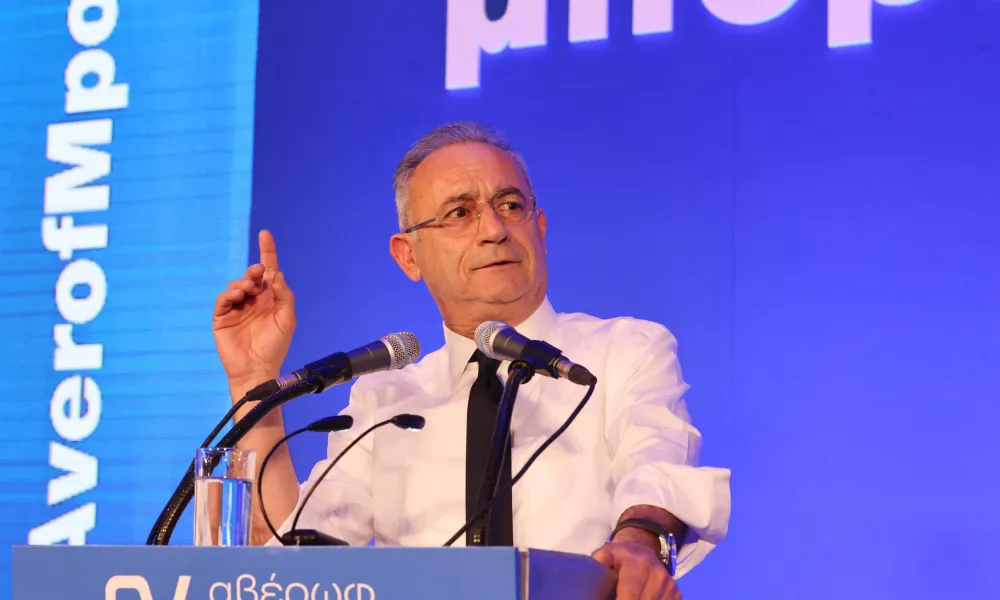
The most recent official update was sent on 8 December 2025 by Deputy Minister of Culture Vasiliki Kassianidou to the Larnaca Tourism Development Company (ETAP). In her letter, Kassianidou said:
“The expropriation of the plot and demolition of the adjacent house on Agios Neophytos Street, where the mosaic depicting the Labours of Heracles is located, has been completed. The Department of Antiquities is organising the excavation and securing the required staff.”
More than three months later, Larnaca’s authorities are still waiting for the next steps, hoping that work will finally begin to showcase the mosaic and reopen the road to traffic.
“Several months”...
The mosaic floor depicting scenes from the Labours of Heracles was discovered beneath Agios Neophytos Street during sewer works in the summer of 2016. The find received extensive coverage from local and international media and became one of Larnaca’s headline discoveries of the time.
As the then Antiquities Department Georgios Filotheou famously said at the time, “such masterpieces come to light every 100 years”, while noting that “it will take several months for the excavations to finish and the mosaic to be fully revealed.”
For Larnaca, however, those “several months” have now become 10 years, and citizens continue to await the proper promotion of the site so it can become an important point of reference for the city.
The mosaic is approximately 20 metres long, and the area in which it was found lies within the boundaries of ancient Kition. Experts regard its discovery as one of the most significant archaeological finds ever made in Cyprus.
The Department of Antiquities issued its official announcement on 14 July 2016, noting, among other things:
“From written sources and inscriptions, we know that in the Roman period Ancient Kition played an important role in the establishment of Roman culture in Cyprus. However, to date, Roman remains in the city have been scarce.”