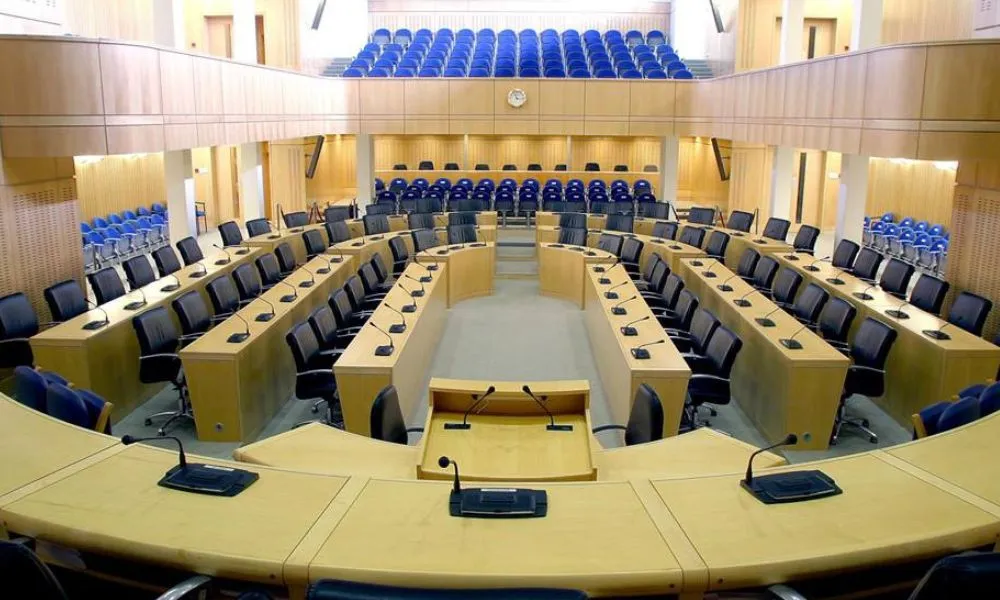
Six parties will be represented in the new parliament: DISY (17 seats), AKEL (15), ELAM (8), DIKO (8), and the newly entered ALMA and Direct Democracy with four seats each. No party holds an outright majority, making cooperation essential.
New voting rules change the game
A key factor shaping this contest is the revised election procedure. If no candidate secures an absolute majority in the first round, only the top two contenders proceed to a second round, where a simple majority is enough to win. This significantly increases the importance of strategic alliances.
Alliances will decide the outcome
Given the fragmented parliament, backroom negotiations are expected to play a decisive role. Political agreements are likely to be driven not only by policy alignment but also by tactical compromises and exchanges of support.
At present, it is unclear which candidates will officially enter the race. Parties have kept their options open, allowing room for negotiations in the days leading up to the vote on 4 June.
Main contenders and scenarios
DISY and AKEL, as the two largest parties, are expected to put forward candidates, potentially their leaders Annita Demetriou and Stefanos Stefanou, although broader backing will be essential.
Demetriou enters the race with the advantage of previous experience as Speaker, but will need support from other parties, including DIKO and possibly ELAM. However, reservations expressed by ELAM figures could complicate her chances, raising the possibility that DISY may turn to an alternative candidate to build wider alliances.
DIKO, with eight seats, could emerge as a key player. It may either support a candidate from the larger parties or put forward its own, such as Nikolas Papadopoulos or Christiana Erotokritou, in a bid to position itself as a compromise solution.
AKEL’s Stefanos Stefanou is also a strong contender but faces similar challenges in securing cross-party backing. ALMA could potentially support him, though recent tensions between the two parties may affect such cooperation.
Unpredictable factors
Direct Democracy, with four seats, is seen as an unpredictable factor. Without a clearly defined internal structure or voting discipline, its MPs could play a decisive role depending on how they choose to vote.
High-stakes negotiations ahead
The coming days of negotiations are expected to be crucial. Beyond the Speaker’s post, discussions will likely involve committee leadership positions and broader political cooperation, including future presidential alliances.
The election of the Speaker remains a complex puzzle, with shifting alliances, competing ambitions and strategic bargaining set to shape the final outcome.
By Kostas Zachariades