New large-scale works in Tokyo
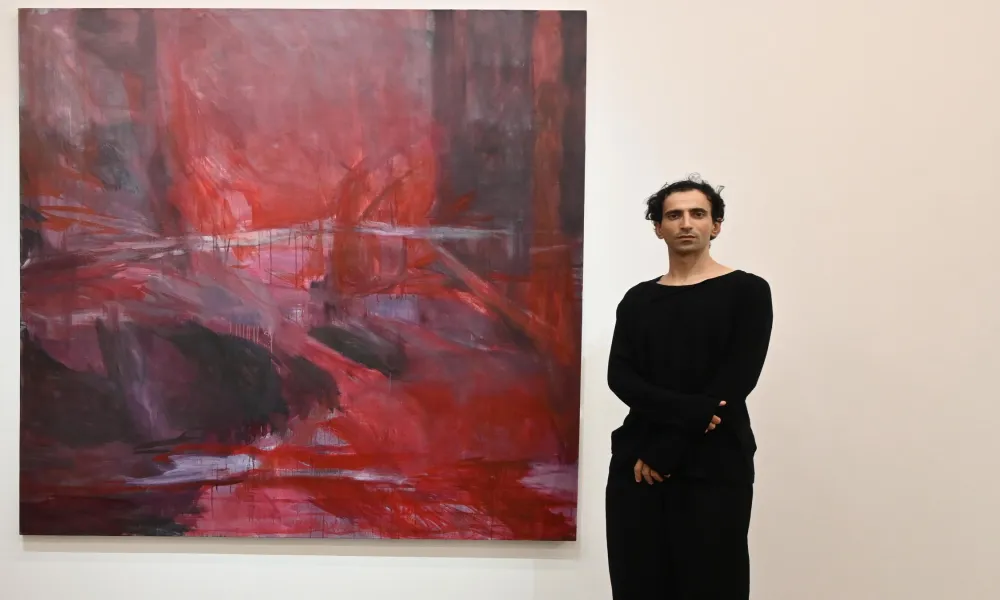
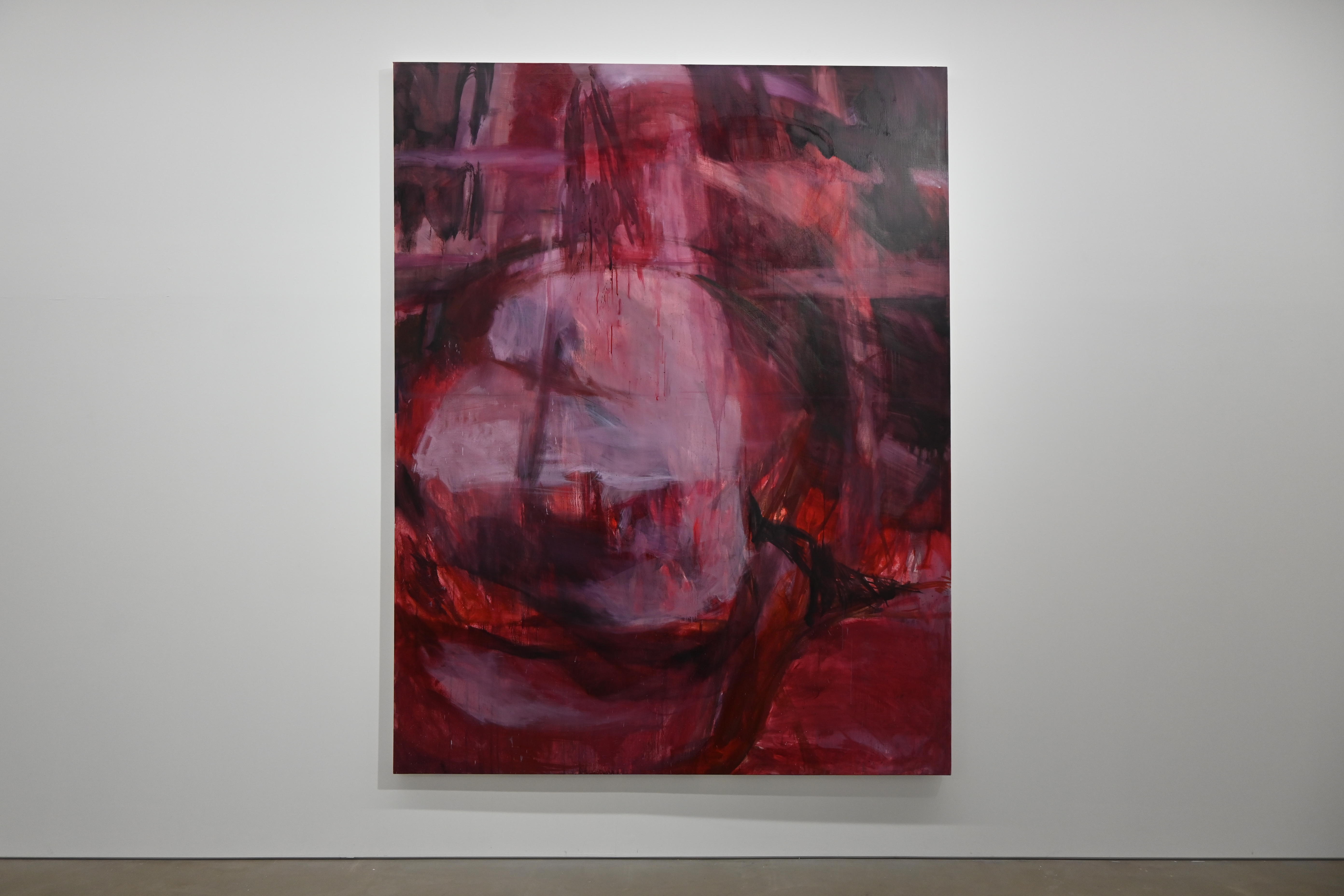
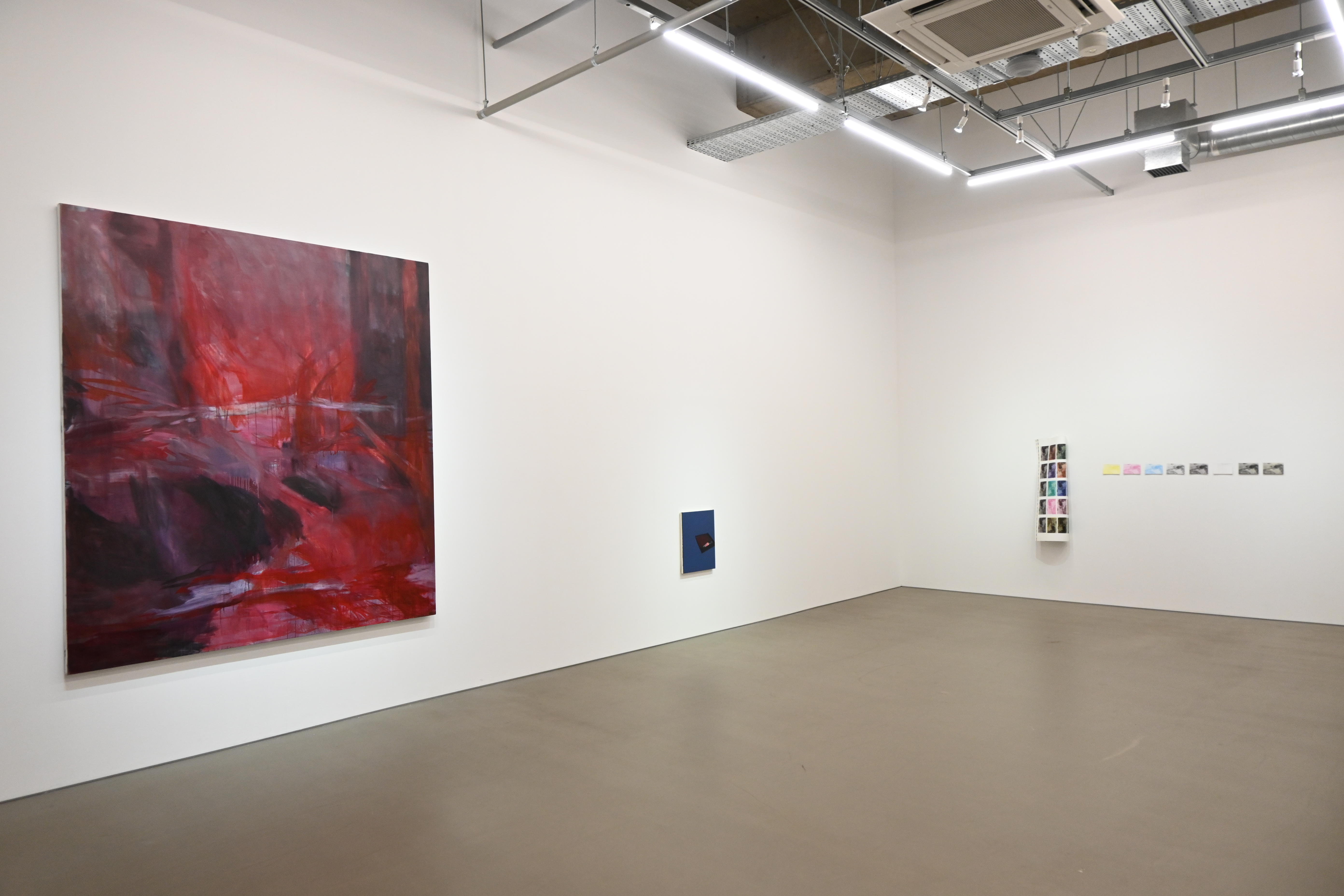
Only weeks after the Santorini exhibition, Aristotelous presented two larger-scale works in Tokyo, marking a further evolution in his treatment of scale and perception.
Displayed in deep red tones, the pieces draw viewers into a space where the physical and the metaphysical intersect, challenging assumptions about the dimensions and boundaries of the landscape.
The works are being exhibited at Goyo Gallery in collaboration with AWASE Gallery at the Terrada Art Complex, under the curatorial direction of Mizuki Endo.
Exploring the language of the earth
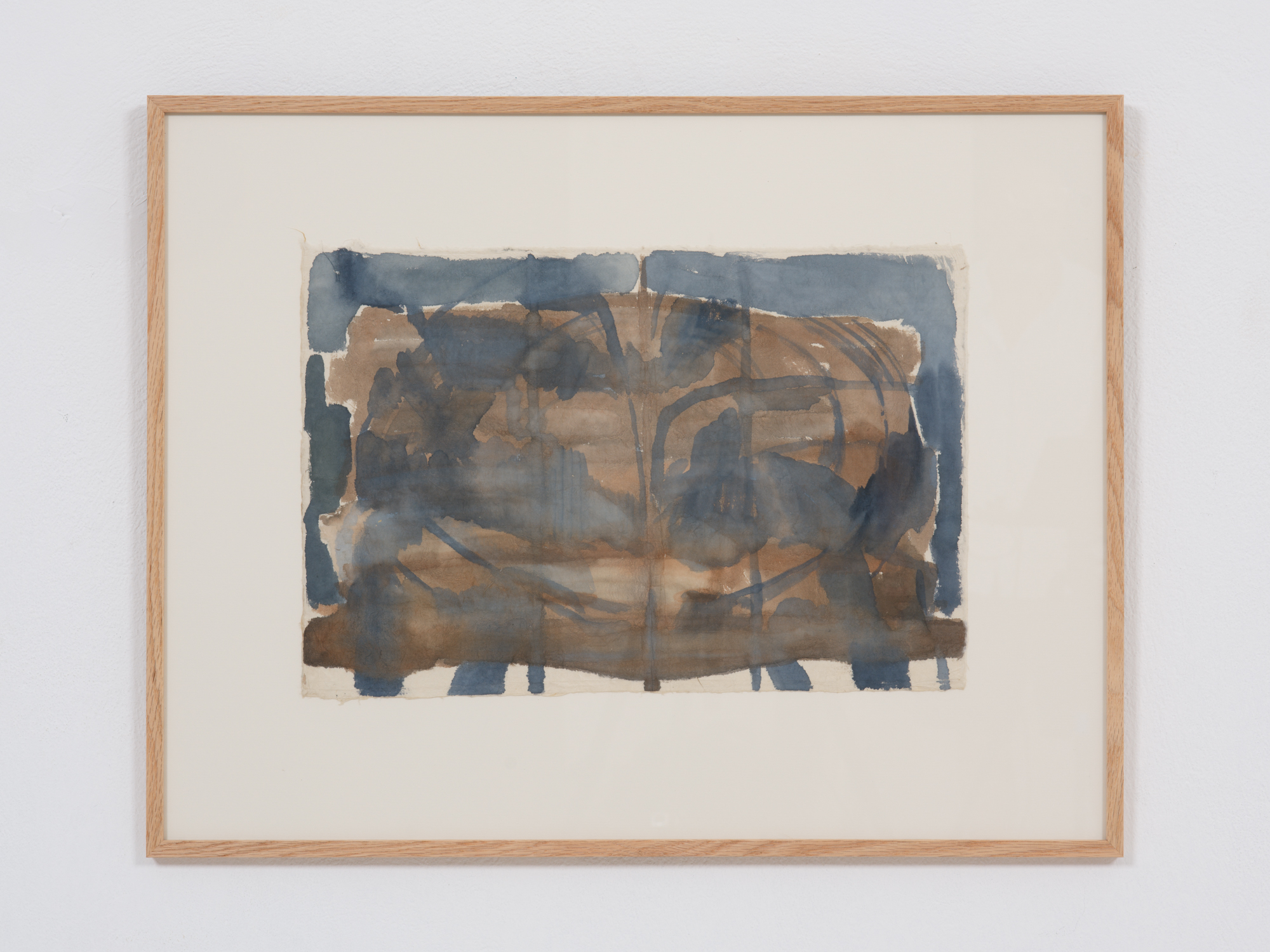
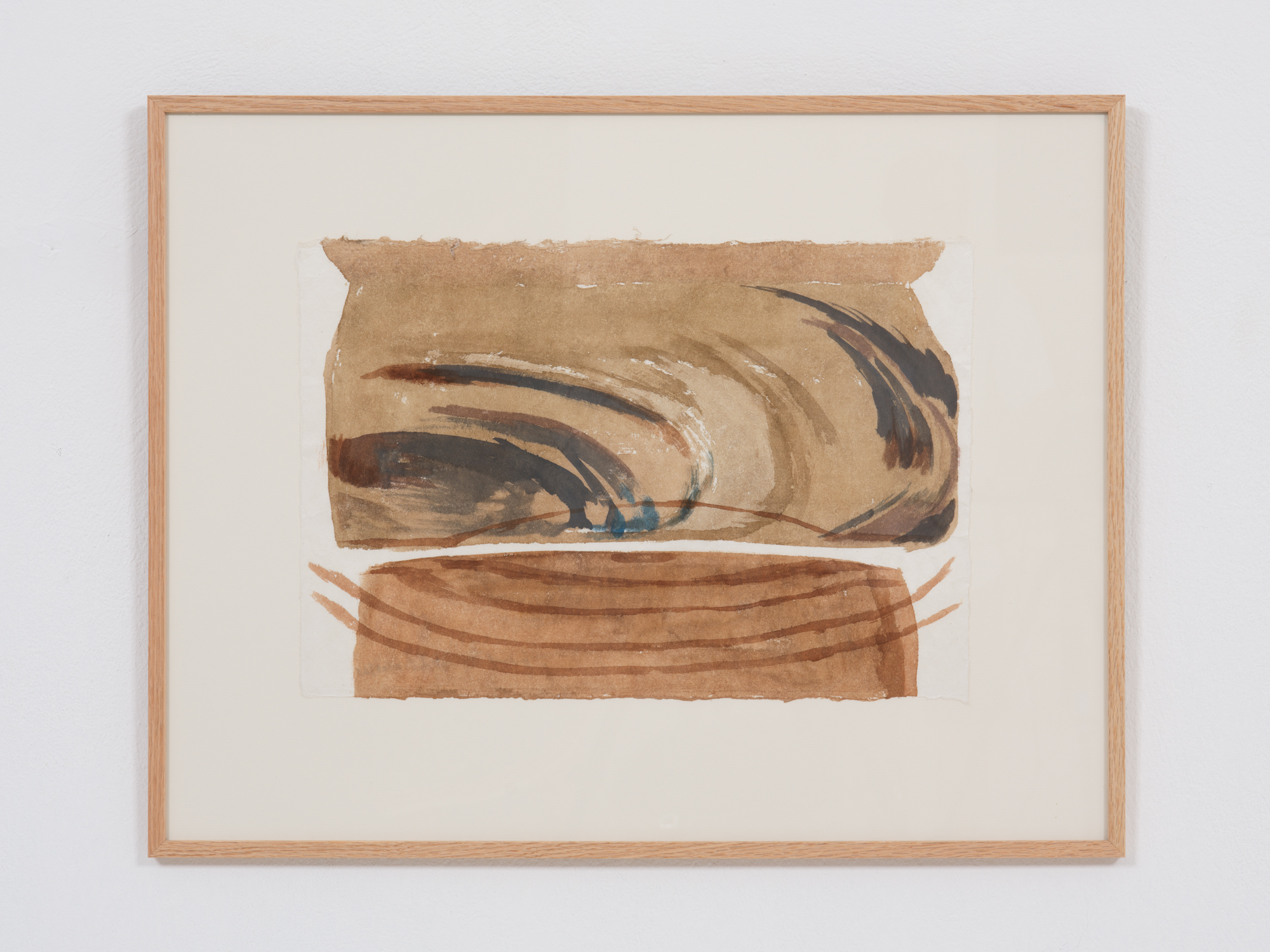
Central to the exhibition is Aristotelous' ongoing series, Standing Soil, which examines humanity's intimate connection with the earth.
The works feature forms and patterns that resemble archaeological relics unearthed from the ground or objects still concealed beneath it, highlighting the ancient and enduring nature of the landscape.
The imagery draws inspiration from processes such as gardening, soil cultivation and the way terrain responds to environmental conditions over time. Particular emphasis is placed on the traces left behind by objects, living organisms and human activity.
Light beneath the surface
Running throughout the series is the idea of light existing within the soil itself.
In Aristotelous' work, light functions as a revealing force, exposing bodies within space and bringing hidden structures to the surface. The artist explores the shapes and rhythms formed by the earth while also suggesting realities that extend beyond the visible landscape.
Inspired in part by a volcanic crater in Fukushima, the new works consider the subconscious response of the land, with light emerging from beneath the surface in cyclical patterns that evoke layers of buried pigments and geological formations.
The result is a body of work that approaches landscape almost as though it were viewed through an X-ray, revealing hidden layers beneath the surface. Subtle fields of colour emerge through shadow, recalling the warm hues often visible in illuminated medical imaging.
Through this process, Aristotelous presents light as something almost sacred, establishing an intimate relationship between the artwork and the viewer, and linking the viewer's presence to the presence of the work itself.