The Council of the European Union, under the Cypriot Presidency, and the European Parliament have reached a preliminary agreement on updating the rules governing the coordination of national social security systems. The revision aims to simplify and modernise the framework, making it clearer, fairer and easier to apply for citizens who move within the European Union.
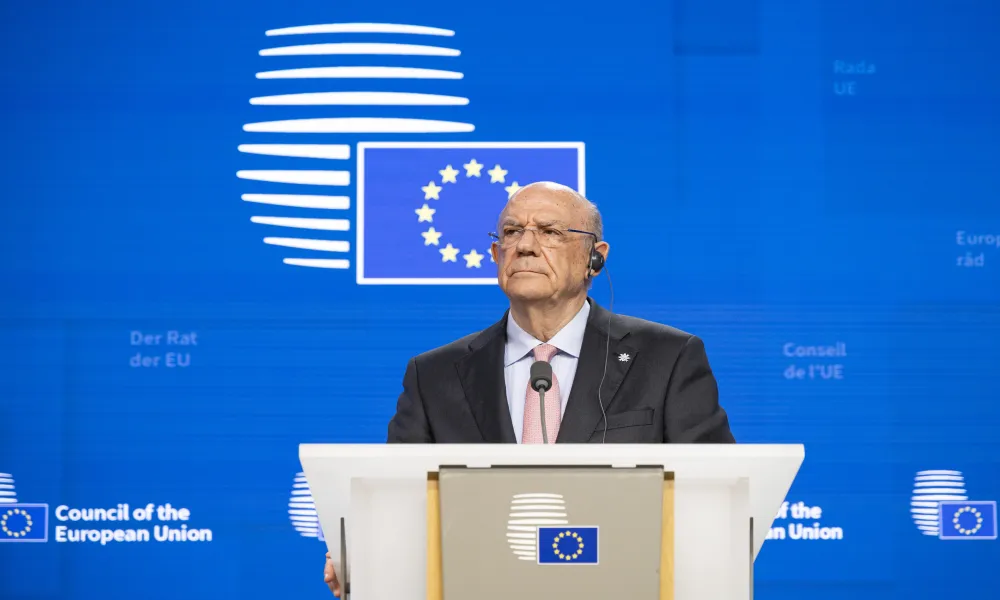
“The free movement of people is a fundamental principle of the European Union, yet uncertainty over access to social rights can act as a deterrent. Today’s agreement provides the necessary clarity,” Labour and Social Insurance Minister Marinos Mousiuttas said.
Focus on fair mobility and social protection
The agreement forms part of broader efforts to promote fair labour mobility while ensuring the protection of social rights for EU citizens. The two institutions agreed on a comprehensive package of provisions covering key areas such as unemployment benefits, long term care, family benefits, and the rules applying to workers active in more than one member state or temporarily posted abroad.
The revised framework also introduces measures aimed at improving transparency and cooperation between member states, with the goal of preventing abuse and ensuring equal treatment.
Political consensus on key issues
Negotiations were conducted in a constructive climate, with the parties confirming technical convergence and reaching political agreement on several sensitive issues. These include the conditions for exporting unemployment benefits, exemptions from prior notification procedures for specific categories of activity, and the rules governing parallel employment in more than one country.
Next steps towards adoption
The preliminary agreement now requires formal approval by both the Council and the European Parliament, before final adoption following legal and linguistic scrutiny.
The proposed legislative framework amends existing regulations on the coordination of social security systems, seeking to respond to modern mobility needs within the European Union and to strengthen legal certainty for European citizens.