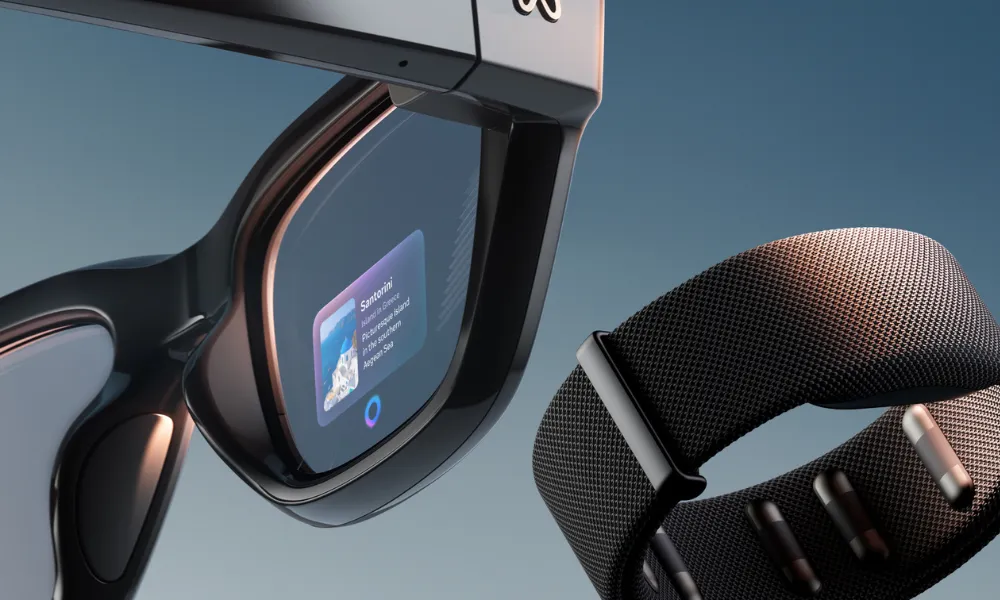

Meta is facing a new lawsuit over privacy concerns linked to its artificial intelligence-powered smart glasses, following reports that sensitive footage captured by the devices may have been reviewed by human workers.
The case emerged after Swedish newspapers Svenska Dagbladet and Göteborgs-Posten reported that employees working for a Kenya-based subcontractor had reviewed private recordings collected through customers’ smart glasses.
Report reveals review of sensitive content
According to the reports, the footage reviewed included highly sensitive material such as nudity, people using the toilet, sexual activity, bank card information, private messages and chats.
Following the revelations, the United Kingdom’s Information Commissioner’s Office opened an investigation into the matter.
The developments also led to a lawsuit in the United States filed by Mateo Canu of California and Gina Bartone of New Jersey. The plaintiffs are represented by Clarkson Law Firm, which specialises in public interest litigation.
Allegations over advertising claims
The lawsuit alleges that Meta’s AI smart glasses are marketed using phrases such as “designed for privacy, controlled by you”, which may lead users to believe that their private moments and personal data are protected from external access.
According to the complaint, Meta has not included disclaimers clarifying that user content could be reviewed by human staff.
The glasses’ manufacturing partner, Luxottica of America, has also been named in the lawsuit over alleged conduct that may violate consumer protection laws.
Human review referenced in terms of service
Meta’s UK AI terms of service include a reference to possible human review of user interactions.
A version of the policy applicable in the United States states: “In some cases, Meta will review your interactions with AIs, including the content of your conversations with or messages to AIs, and this review may be automated or manual (human).”
The subcontractor involved in the reports is Sama, a Nairobi-based data annotation company whose employees help train artificial intelligence systems by describing, labelling and assessing images.
Questions over privacy safeguards
Although Meta has stated that faces in images are typically blurred, sources cited by Svenska Dagbladet indicated that the blurring does not consistently work. “We see everything, from living rooms to naked bodies,” one subcontractor worker reportedly said.
Meta has said that subcontracted staff may occasionally review customer images and videos in order to improve the performance of the smart glasses.
The company maintains that it takes user privacy seriously. “Ray-Ban Meta glasses help you use AI, hands-free, to answer questions about the world around you,” Meta said in a statement cited by TechCrunch.
“When people share content with Meta AI, we sometimes use contractors to review this data for the purpose of improving people’s experience, as many other companies do. We take steps to filter this data to protect people’s privacy and to help prevent identifying information from being reviewed.”
Growing concerns over surveillance technology
The controversy comes amid increasing concerns in recent years about the spread of advanced consumer technologies capable of recording and analysing everyday environments.
Critics have described such devices as part of a broader trend towards what some call “luxury surveillance” technology.
Source: Euronews Next