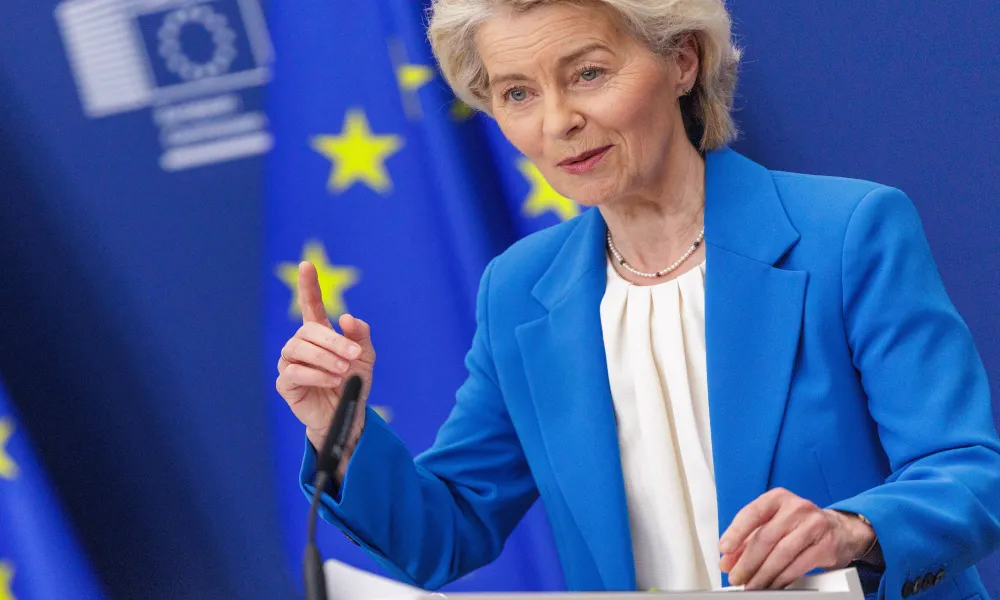

The European Commission will present a set of targeted measures for the energy market ahead of the informal European Council summit in Nicosia, Commission President Ursula von der Leyen said on Monday. Speaking after an extraordinary meeting of the College of Commissioners in Brussels, she warned that the war in the Middle East is already placing significant pressure on Europe’s economy and energy system.
Rising energy costs across Europe
Von der Leyen highlighted the scale of the impact of the crisis, noting that within 44 days the cost of fossil fuel imports to the European Union had increased by more than €22 billion without any additional energy being supplied.
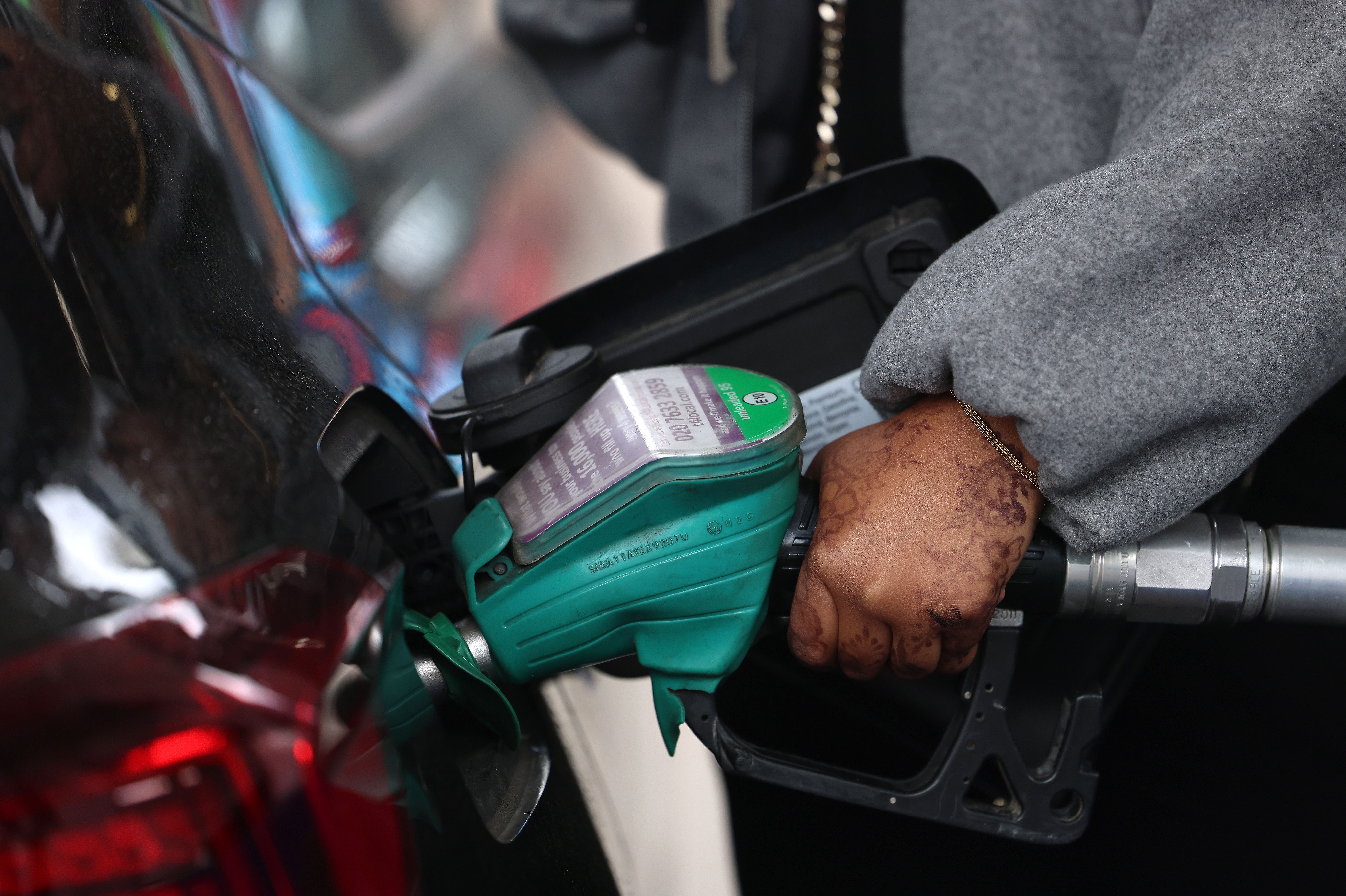
She said the effects of the conflict would likely persist even if tensions in the Middle East were to de-escalate quickly, as disruptions to energy flows and price volatility are expected to continue for some time.
Immediate measures and coordination
The Commission will publish a communiqué next week outlining the first immediate measures, shortly before the informal summit in Nicosia.
Among the proposed steps will be stronger coordination among EU member states in energy purchasing through the joint procurement platform. The platform has already aggregated demand for around 90 billion cubic metres of gas and led to agreements covering approximately 77 billion cubic metres.
We discussed a series of immediate and long-term energy measures that we will present to leaders at the informal EUCO.
— Ursula von der Leyen (@vonderleyen) April 13, 2026
The way ahead is clear.
The only lasting way out of the fossil dependency is shifting electricity generation to renewables and nuclear.
And electrifying the… pic.twitter.com/Kds7UvEINS
The Commission will also propose coordinated filling of gas storage facilities to prevent all member states from simultaneously entering the market. In addition, the EU executive plans joint planning for the release of strategic oil reserves in order to achieve the greatest possible impact on prices.
Framework for national emergency measures
The Commission will also introduce a framework to ensure that national emergency measures adopted by member states do not disrupt the functioning of the EU’s single energy market.
The communiqué will include guidelines and examples of best practices that governments can follow when designing their own interventions.
“We are not starting from zero, but we can do more and do it better,” von der Leyen said.
Short-term support measures
Short-term support measures expected later in April will include a new temporary state aid framework designed to provide greater fiscal flexibility to member states.
Von der Leyen stressed that any interventions must be targeted, temporary and immediate. Broader economic measures, she said, should remain limited to avoid unnecessarily worsening fiscal deficits.
She added that the conditions for activating alternative instruments, such as the general escape clause or national escape clauses under EU fiscal rules, are not currently met.
Support for households and businesses
The Commission is also preparing targeted support measures for vulnerable households and businesses based on strict eligibility criteria.
Member states will receive guidance on designing income support schemes, while policies aimed at reducing energy demand will include accelerated programmes to improve building energy efficiency and replace energy-intensive industrial equipment.
“The cheapest energy is the energy that is not consumed,” von der Leyen said.
Legislative proposals and structural reforms
Legislative proposals addressing the factors shaping energy costs are expected to be presented in May.
The Commission is also planning interventions in the EU Emissions Trading System, including strengthening the market stability reserve and measures to increase price predictability. Consultations with member states will take place in the coming weeks ahead of a broader revision of the system by July.
Further legislative initiatives are also expected concerning energy taxation and regulated charges.
Energy transition and investment
Von der Leyen emphasised the need to accelerate approval of the EU energy networks package by early summer, earlier than the original timeline which foresaw completion by the end of 2026.
She also announced that a new electrification strategy with specific quantitative targets will be presented before the summer.
The Commission will continue promoting renewable and nuclear energy, noting that more than 70 per cent of electricity generation in the EU already comes from renewables and nuclear sources. She also highlighted the role of small modular reactors, energy storage technologies, batteries and stronger cross-border grid connections.
Funding and private investment
Von der Leyen called on member states to make immediate use of available European funds, particularly from cohesion policy programmes, and to prioritise investments in energy networks, storage and infrastructure.
She also announced plans to organise a European investment conference aimed at mobilising private capital, acknowledging that public funding alone will not be sufficient to meet the EU’s energy needs.
The objective, she said, is both to address the immediate pressures on the energy system and to accelerate Europe’s long-term energy independence.