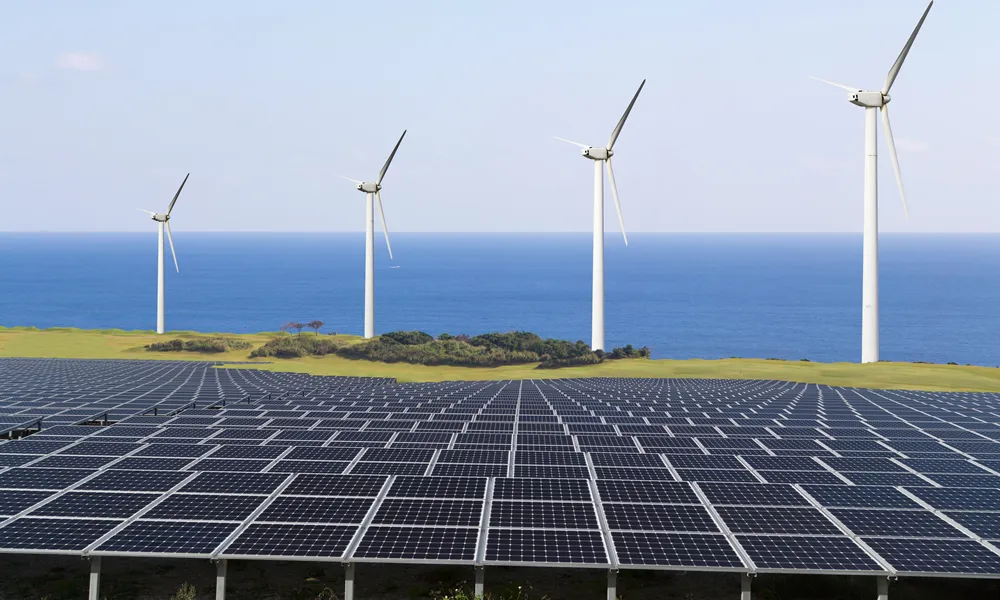

In one of the most controversial energy decisions in recent years, the Trump administration has reached a nearly $1 billion agreement with France’s TotalEnergies to abandon major offshore wind projects, signalling a clear pivot toward fossil fuels at a time of heightened energy uncertainty.
Under the agreement, TotalEnergies will relinquish licences it had acquired to develop two offshore wind farms off the coasts of New York and North Carolina. In return, the US government will pay approximately $928 million, reflecting the cost of acquiring those licences under the previous administration. The decision was announced at an energy conference in Houston, with officials presenting it as part of a broader strategy to secure “safe and reliable” energy.
Pivot to oil and gas
As part of the deal, TotalEnergies has committed to investing equivalent capital into oil and gas projects within the United States. These include a liquefied natural gas (LNG) facility in Texas and increased production in the Gulf of Mexico. The company is also planning gas-fired power generation units, responding to rising energy demand, particularly from data infrastructure and digital services. Chief executive Patrick Pouyanné described the agreement as “pragmatic”, noting that offshore wind projects in the US are no longer considered economically viable without state subsidies.
The deal has triggered strong political reactions, with critics arguing that public funds are being diverted to benefit a foreign company at the expense of the green transition. New York Governor Kathy Hochul described the move as a “misuse of taxpayer money”, while North Carolina Governor Josh Stein called it a “waste” that undermines clean energy investment. The cancelled projects had significant capacity: the larger one could have powered more than one million households, while the second was expected to supply around 300,000.
Energy, war and market pressure
The timing of the agreement is seen as closely linked to broader geopolitical developments. The war in the Middle East has increased volatility in global energy markets, reinforcing the strategic importance of domestic production for the United States. The Trump administration appears to be prioritising energy security through fossil fuel expansion, even if it slows investment in renewables. However, analysts warn that abandoning projects such as offshore wind may increase long-term dependence on unstable international energy markets, particularly during periods of geopolitical crisis.
The agreement reflects a broader shift in US energy policy, placing emphasis on immediate availability and cost over environmental sustainability. As war and global pressures reshape priorities, Washington’s approach underscores a growing dilemma between energy security and the green transition, one that is likely to intensify in the coming years.
Source: New York Times