
The United Arab Emirates has announced its withdrawal from OPEC and OPEC+, in a move expected to weaken the unity of the oil producers’ group and add further pressure to global energy markets.
According to Reuters, the decision marks a significant blow to OPEC and its de facto leader, Saudi Arabia, at a time when the war involving Iran has triggered severe disruption in the Gulf and unsettled the global economy.
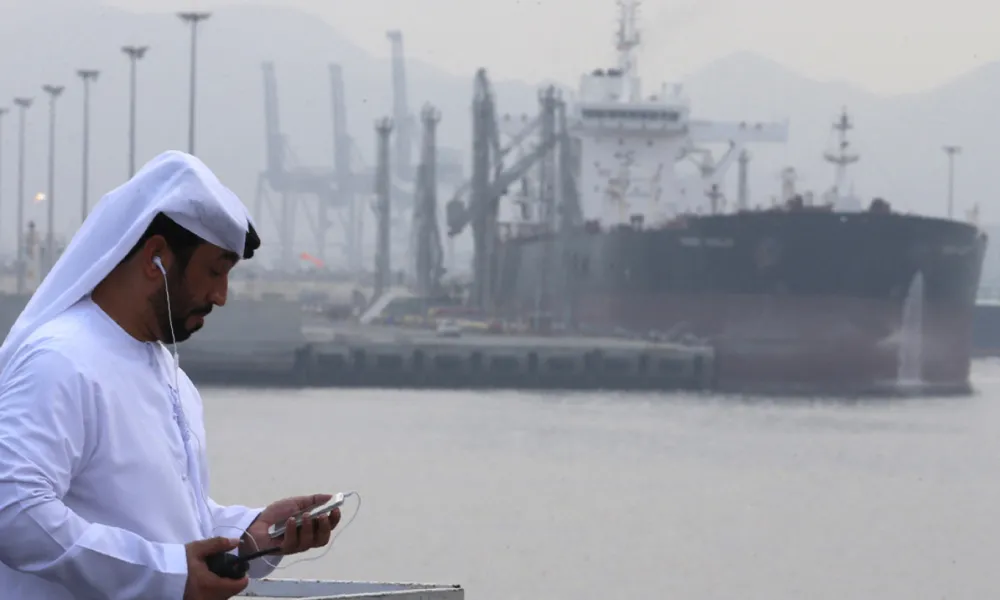
The UAE’s departure comes as oil exports from the region face major obstacles, with shipping through the Strait of Hormuz sharply constrained by Iranian threats and attacks. Around 20% of global oil and LNG supplies pass through the waterway.
BREAKING: The United Arab Emirates said it quit OPEC and OPEC+, dealing a heavy blow to the oil exporting groups and their de facto leader, Saudi Arabia, at a time when the Iran war has caused a historic energy shock and unsettled the global economy https://t.co/4BUHcdVlh1 pic.twitter.com/MvzLTfabuk
— Reuters (@Reuters) April 28, 2026
Geopolitical fallout
The move is also likely to be seen as a boost for US President Donald Trump, who has repeatedly accused OPEC of keeping oil prices artificially high.
Trump has also linked US military protection for Gulf states to their energy policies, arguing that Washington’s regional allies have benefited unfairly from the security umbrella provided by the United States.
Pressure inside the Gulf
The UAE decision also reflects Abu Dhabi’s frustration with its regional partners. Anwar Gargash, diplomatic adviser to the UAE president, criticised what he described as insufficient political and military support from Gulf states during Iranian attacks.
He said the Gulf Cooperation Council’s response had been “historically weak”, expressing surprise at what he viewed as the limited reaction from allies.
Source: protothema.gr