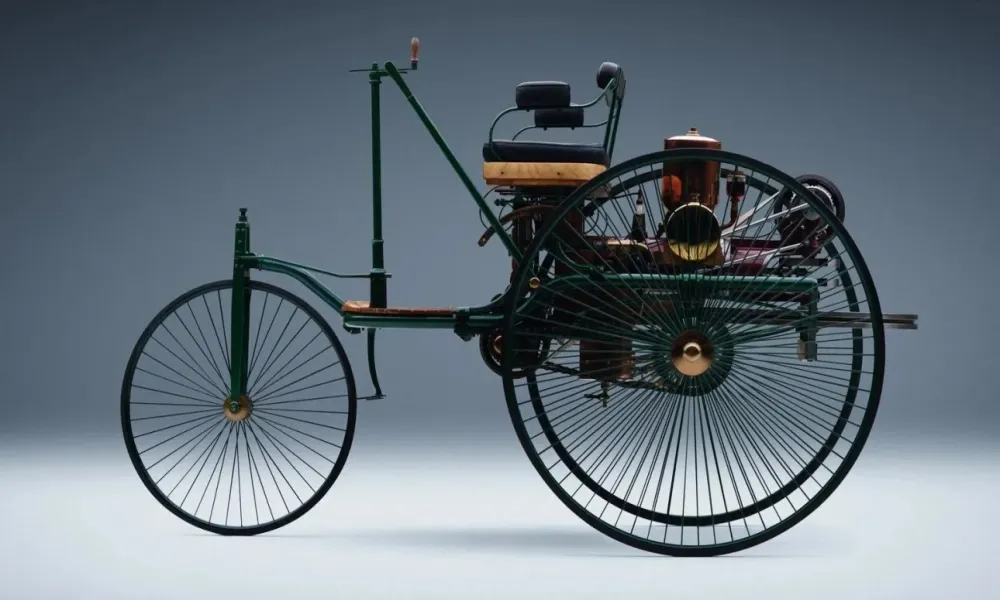

The 140th anniversary of the automobile is being marked against the backdrop of a major strategic shift in the global automotive sector. The historic milestone coincides with the presentation of a new flagship luxury saloon and signals the start of an extensive multi-model launch cycle.
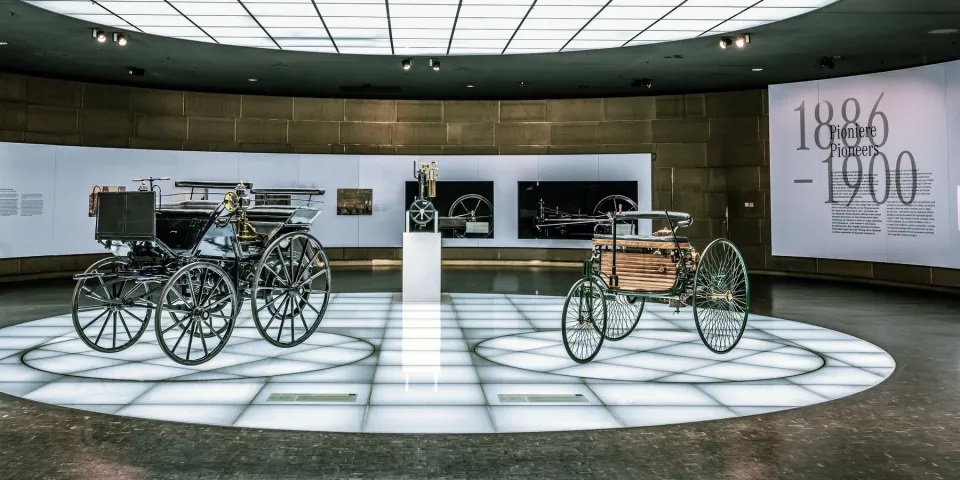
On 29 January 1886, the official birth of the automobile was marked with the filing of the patent for the three-wheeled Patent Motorwagen by Carl Benz. One hundred and forty years later, Mercedes-Benz returns to this date to highlight both its historical role and its position in shaping modern and future mobility.
Historical foundation of the modern automobile
The anniversary coincides with the presentation of the new Mercedes-Benz S-Class, a model that traditionally serves as a technological reference point for the brand’s entire product range. The updated flagship marks the beginning of the largest launch programme in the company’s history, with more than 40 new models expected over the next two years.
This plan includes fully electric vehicles, new digital ecosystems and advanced technologies such as the road-going version of the CONCEPT AMG GT XX. The strategy reflects Mercedes-Benz’s transition into an era where engineering is combined with software, connectivity and electrification.
Key milestones in the evolution of the brand
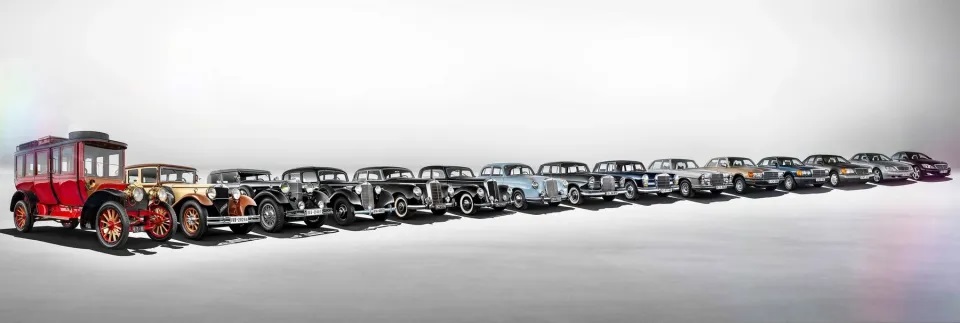
The history of the brand represents a continuous chain of innovations that have shaped the global automotive industry. From the Mercedes 35 hp of 1900, which established the foundations of the modern car, to the 1926 merger between Benz & Cie. and Daimler-Motoren-Gesellschaft that created Mercedes-Benz, development has remained continuous.
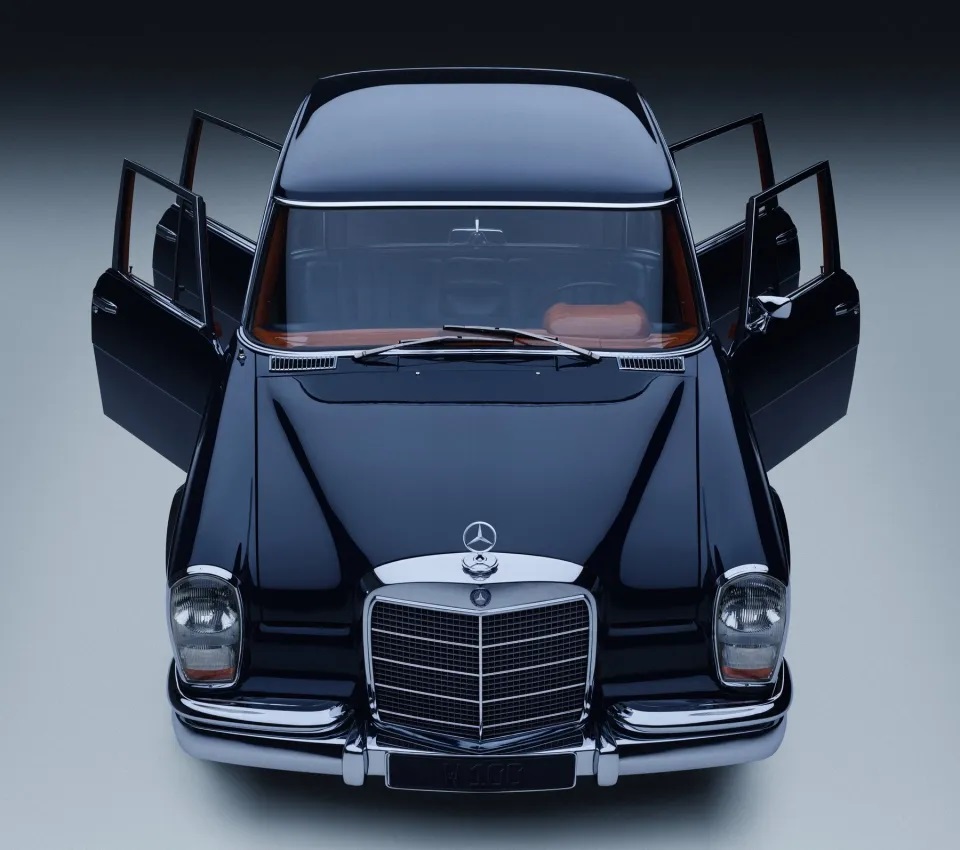
Technologies including the safety body structure, ABS, the airbag, ESP and modern driver assistance systems moved beyond commercial advantages and became global industrial standards.
A decisive role was also played by the early entrepreneurial mindset of the founders. Carl Benz and Gottlieb Daimler, although they never met, worked almost simultaneously on the same idea, combining technical expertise with business risk. Bertha Benz made history in 1888 by completing the first long-distance journey by automobile, demonstrating the practical value of the new invention.
Early electrification research and modern electric mobility
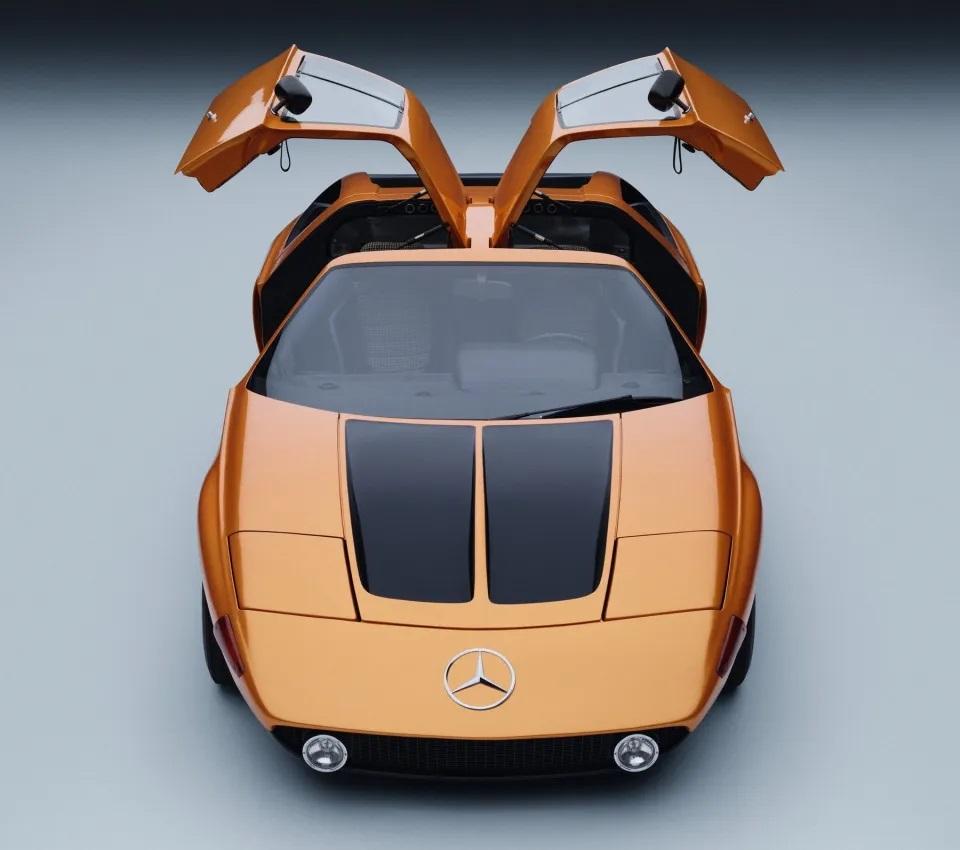
Innovation was never limited to internal combustion engines. From the early 20th century, Mercedes-Benz experimented with electric and hybrid propulsion systems. From the 1970s, the company developed structured research programmes focusing on alternative energy sources.
In the modern era, vehicles such as the VISION EQXX, capable of travelling more than 1,200 kilometres on a single charge, demonstrate how historical engineering knowledge is being transferred into the future of electric mobility.
Motorsport as a technology development platform
Motorsport has historically operated as a laboratory for technological development. From early competitions at the end of the 19th century to modern successes in Formula 1, Mercedes-Benz has used competition as a driver of innovation, transferring solutions from track to production vehicles.
Strategic direction towards software and autonomous technologies
Today, as the automotive sector undergoes a new transformation focused on electrification, digitalisation and assisted or autonomous driving, Mercedes-Benz is seeking to capitalise on its historical advantage. Guided by the philosophy “Heritage Creates Future”, the company frames progress as a continuation of its past rather than a break from it.
Source: cnn.gr