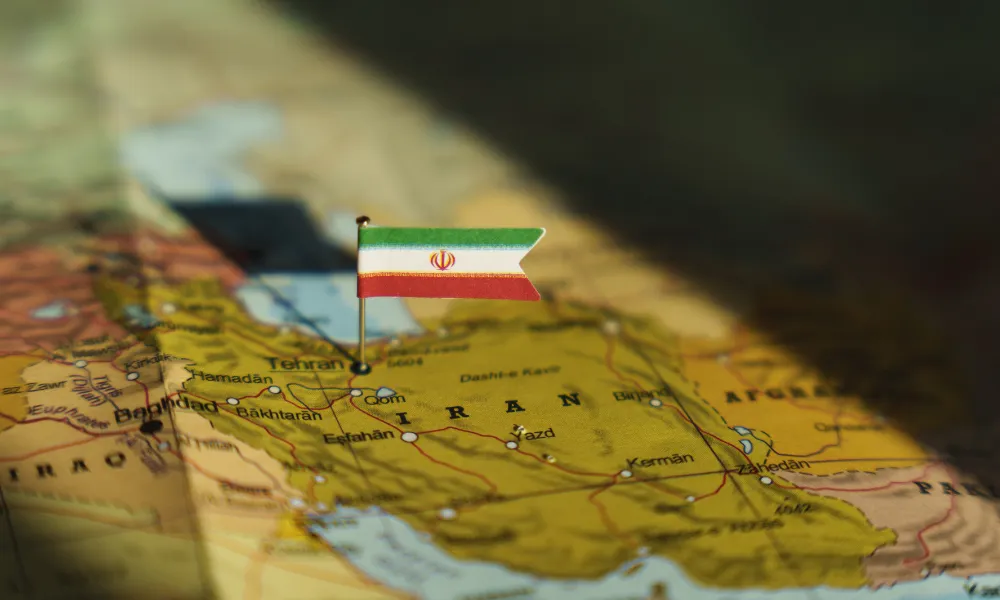

A new diplomatic initiative aimed at halting the conflict between the United States and Iran is taking shape, but early disagreements over key conditions are already testing its viability.
At the centre of the dispute is the Strait of Hormuz, with Tehran refusing to reopen the vital shipping route as part of an initial ceasefire, despite mounting international pressure and a direct warning from Donald Trump.
Hormuz dispute complicates early progress
Iran has effectively restricted access to the narrow waterway, a critical artery for global energy supplies, in response to weeks of sustained U.S. and Israeli strikes.
A senior Iranian official said reopening the strait would not be considered under a temporary truce, signalling that Tehran is unwilling to make immediate concessions while broader terms remain unresolved. The same official argued that Washington has yet to show genuine commitment to a lasting ceasefire.
Diplomatic channels are being actively engaged, with Asim Munir coordinating discussions involving JD Vance, U.S. envoy Steve Witkoff and Iranian Foreign Minister Abbas Araqchi, people familiar with the negotiations said.
Phased deal and mounting pressure
The proposal under discussion sets out a two-stage approach, beginning with an immediate ceasefire followed by negotiations on a broader settlement within roughly two to three weeks.
Other reports indicate that a longer temporary truce could also form part of a pathway toward a permanent agreement.
Even as talks continue, Donald Trump has stepped up pressure on Tehran, warning in a series of public statements that failure to reach a deal by Tuesday evening would trigger further strikes on Iranian infrastructure. The ultimatum underscores Washington’s push for swift progress and signals limited tolerance for drawn-out negotiations without concrete concessions.
Ongoing strikes and widening conflict
Diplomatic efforts are unfolding alongside continued military activity. Airstrikes were reported across multiple areas on Monday, more than a month into a conflict that has already caused significant destruction and economic disruption.
Iran has responded with attacks on Israeli territory, U.S. military installations and energy infrastructure across the Gulf, highlighting its ability to sustain retaliatory operations. Recent strikes on petrochemical sites and maritime assets linked to Israel in Kuwait, Bahrain and the United Arab Emirates point to an expanding regional footprint.
Rising casualties and regional impact
The human toll continues to rise sharply. A U.S.-based monitoring group estimates that more than 3,500 people have been killed in Iran, including hundreds of children.
In Israel, emergency crews recovered bodies from a residential building struck by a missile in Haifa.
The conflict has also intensified in Lebanon, where Israeli operations against Hezbollah represent the most serious spillover to date. Lebanese authorities report more than 1,400 deaths, including over 100 children.
High stakes for the region
Officials across the Gulf stress that any agreement must guarantee the free flow of shipping through the Strait of Hormuz, warning that unresolved security concerns could prolong instability.
With diplomacy and military action advancing in parallel, the coming days are expected to be critical in determining whether the conflict shifts toward de-escalation or further escalation.
Source: Reuters