
For years, the Greek agency responsible for paying out EU farm subsidies operated in a way that many farmers suspected but could not prove. In 2025, those suspicions turned into a full political crisis. A vast fraud involving fake farmers, invented pastures and compromised officials burst into the open, triggering record EU fines, ministerial resignations and a parliamentary inquiry that has turned into an unlikely streaming phenomenon.
How the OPEKEPE scandal emerged
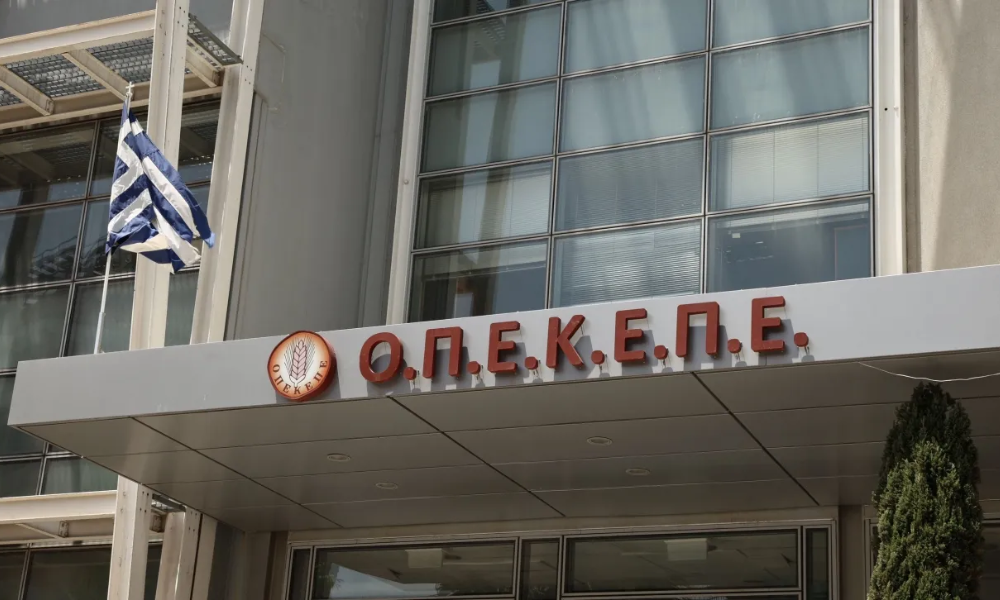
OPEKEPE is the Greek Payment and Control Agency for Guidance and Guarantee Community Aids. It manages billions of euros in Common Agricultural Policy funds every year for some 600 to 700 thousand farmers. Investigations by the European Public Prosecutor’s Office, EPPO, found that between roughly 2018 and 2022 networks of intermediaries and public officials helped individuals with no real link to farming access subsidies through false declarations of land and livestock.
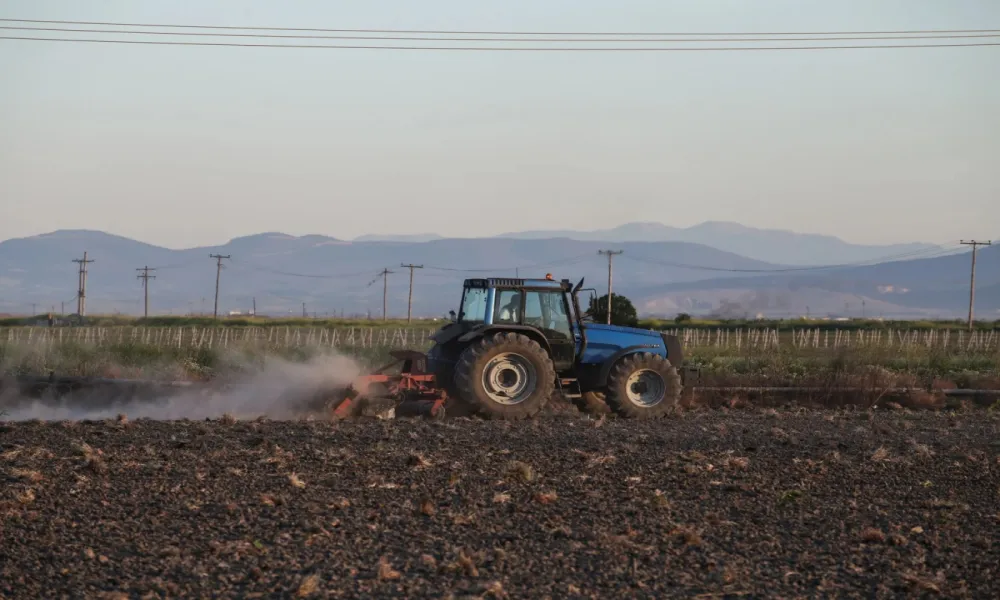
Investigators say hundreds of people posed as new or young farmers. They claimed to lease or own pastureland that either did not exist or could not legally be used for grazing, including land in archaeological sites, military facilities or on mountain slopes where crops listed on the forms simply do not grow.
According to EPPO and Greek authorities, at least 324 individuals received around 19.6 million euro in subsidies that are now considered suspect. Separate estimates put the annual cost of the scam to genuine farmers at up to 70 million euro.
The European response
In June 2025 the European Commission imposed a record financial correction on Greece over years of mismanagement and fraud in agricultural subsidies. Brussels ordered the country to forfeit 392.2 million euro and imposed a flat five percent cut on future direct payments because of systemic failures inside OPEKEPE.
The Commission and EPPO have been clear that the problem is not a handful of bad actors but an entire system of weak checks. The Greek agency failed to properly verify land declarations, allowed the same plots to be claimed multiple times and did not follow up on obvious red flags in the data. The scandal has become a case study in EU debates about how to protect common funds against corruption in member states.

In parallel, EPPO opened a major criminal investigation into organised fraud and corruption involving OPEKEPE officials and local intermediaries. The office describes a structured criminal group, active across Greece, that specialised in gaming agricultural schemes and laundering the proceeds.
Key players and what they are accused of
The scandal has travelled all the way to the top of Greek politics. Migration Minister Makis Voridis, who previously served as agriculture minister, resigned in June after EPPO submitted a case file to Parliament suggesting that ministers may bear responsibility for how the subsidy system operated. He denies any wrongdoing but acknowledged that remaining in office while a suspect was politically untenable. Four other senior officials also stepped down.
Police and EPPO have arrested dozens of suspects around the country. These include alleged ringleaders in Crete who face charges of organised crime, fraud and money laundering over schemes that channelled EU money to people working as DJs, waiters and other non farmers through forged documents and inflated livestock numbers.
A parliamentary committee, approved in the summer of 2025, is now examining the role of OPEKEPE in the fraud and the possible political responsibility of current and former ministers from the ruling New Democracy party. Opposition parties accuse the government of designing a narrow mandate to shield senior figures, while the government insists that it wants to clean up a problem it inherited and allowed to fester for years.

How the House committee turned into a livestream
The investigative committee hearings are being broadcast live on the Hellenic Parliament channel and on YouTube. Sessions often run for many hours and feature confrontations between witnesses and MPs. This has turned the inquiry into unexpected appointment viewing, especially among younger audiences who follow the clips on social media.
One of the most discussed hearings involved witness Giorgos Xylouris, widely known by the nickname 'Frapes'. His repeated invocation of the right to silence, combined with procedural chaos and clashes among MPs, was clipped and reshared across Greek TikTok and Instagram. The phrase has become a meme and shorthand for political evasion.
Figures like Zoe Konstantopoulou, leader of Plefsi Eleftherias and a former speaker of Parliament, have emerged as central characters in this new political theatre. Commentators describe her as the dominant interrogator in the room, asking the exact questions viewers feel they would ask themselves. Another visible figure in the questioning is Nasos Iliopoulos, who takes a more prosecutorial approach. Lifestyle and pop culture sites now refer to the committee as the best show on Greek television and compare its dynamic to a reality series set in the chamber.
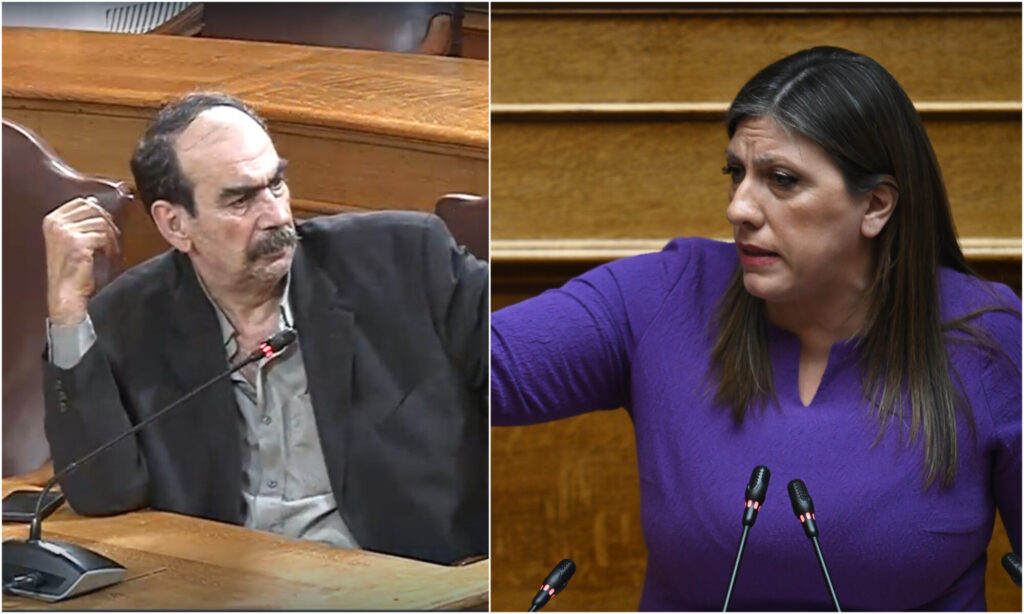
The memes and viral clips can make the process look surreal, yet they are rooted in genuine anger. Farmers who never saw the subsidies they were promised are blocking motorways, saying they are paying the price for a scam run by fake farmers and protected networks. Public opinion surveys cited in European media show very high levels of suspicion that political figures were either complicit or wilfully blind.
Systemic issues the scandal has exposed
The OPEKEPE affair revealed a subsidy system based on declarations that were easy to manipulate. Land registries and on the ground checks lagged far behind the sums being distributed. Cases of banana plantations on Mount Olympus or pastures inside protected areas should have been impossible to certify if basic controls were functioning.
The scandal also highlighted how patronage and local networks could bend EU rules. European and Greek reports speak of clientelist structures in which intermediaries and local offices steered funds to politically useful constituencies, while genuine farmers with smaller voices struggled to be paid. Some whistleblowers who tried to raise concerns said they faced retaliation rather than protection.
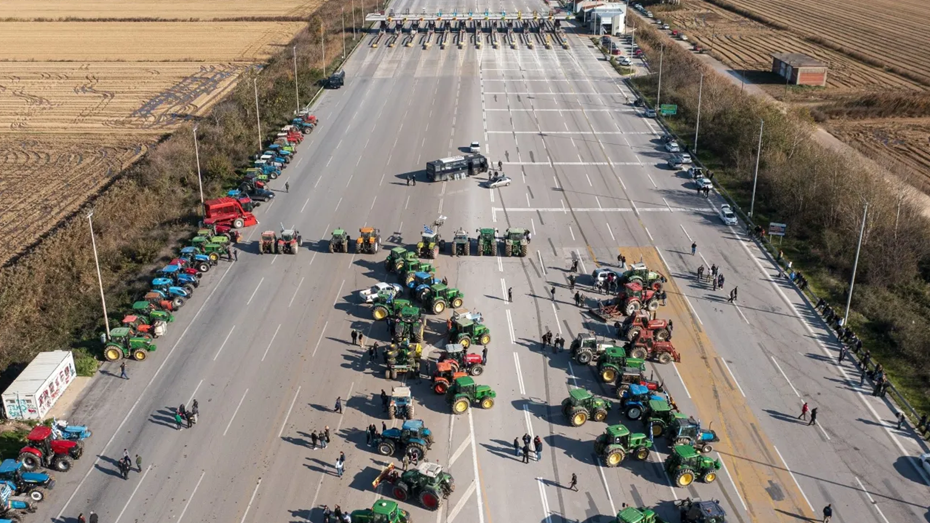
This evidently sharpened questions about European oversight itself. The Commission and EPPO responded only after years of irregularities. Now the affair is expected to shape the European Parliament’s scrutiny of the Commission’s budget execution and to feed debates about whether CAP funds should be tied more tightly to governance benchmarks in member states.
The OPEKEPE saga sits at a strange intersection of political scandal, rural anger and internet culture. The livestreamed hearings have become bingeable content. Catchphrases from the committee travel faster than the details of the fraud itself. Yet beneath the memes lies a very concrete story about how agricultural money that was supposed to support real farmers in a time of inflation and climate stress ended up in the hands of people who never owned a field or a flock.
Sources: euronews.com, ERT News, EPPO, Reuters