The US and Israel initiated what they described as "preventative" strikes targeting military and government infrastructure across Iran.
Strikes have reportedly hit the homes of senior ministers and military chiefs, as well as installations for the Defence and Intelligence Ministries in Tehran and four other cities.
BREAKING:
— Megatron (@Megatron_ron) February 28, 2026
🇮🇷🇮🇱Massive Destruction in Haifa, Israel from an Iranian ballistic missile. pic.twitter.com/YCfDPZQqKN
Sirens are sounding across Israel as retaliatory ballistic missile attacks are ongoing.
Iran previously warned that any U.S. attack would spark a regional war.
Diplomatic and political context
The most recent round of nuclear negotiations in Geneva concluded on February 27 without a deal. President Trump expressed dissatisfaction with the progress, stating the "strike option" remained open.
⭕️The IDF completed a broad strike on strategic defense systems of the Iranian regime.
— Israel Defense Forces (@IDF) February 28, 2026
The IDF struck multiple strategic aerial defense systems, including an advanced SA-65 system in the Kermanshah area of western Iran. pic.twitter.com/p3UI3aB50y
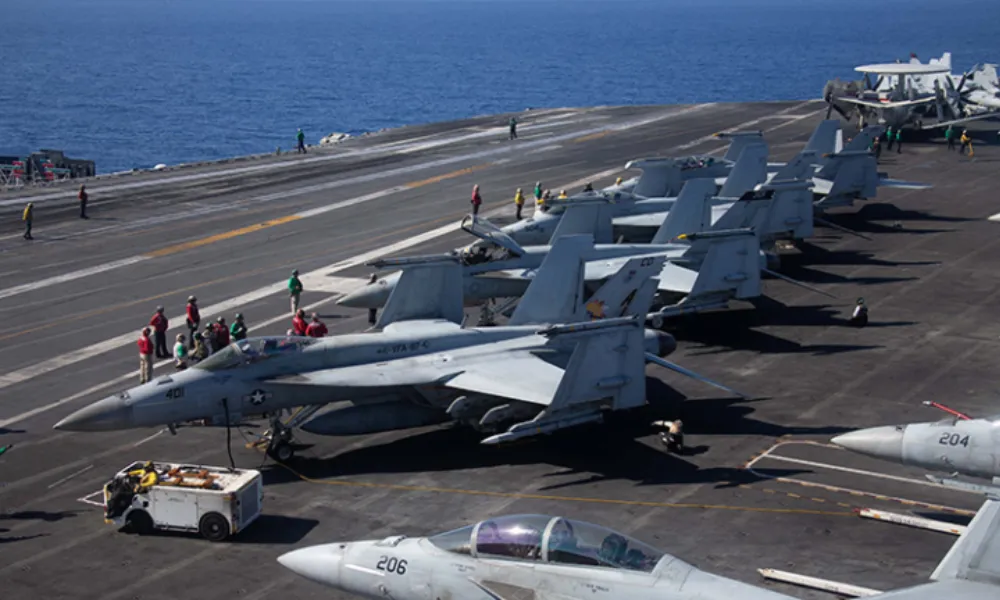
Leading up to the strikes, the U.S. conducted its largest prepositioning of forces in years, including at least 108 air tankers and multiple aircraft carriers in the region.
Bipartisan coalitions in the U.S. Congress are preparing to vote on a war powers resolution as early as next week to attempt to block further unauthorized military action.
Regional impact
Numerous countries have issued urgent travel warnings, advising citizens to leave Iran immediately.
A number of airlines have suspended flights in and out of Tel Aviv's Ben Gurion International Airport.
Source: Reuters