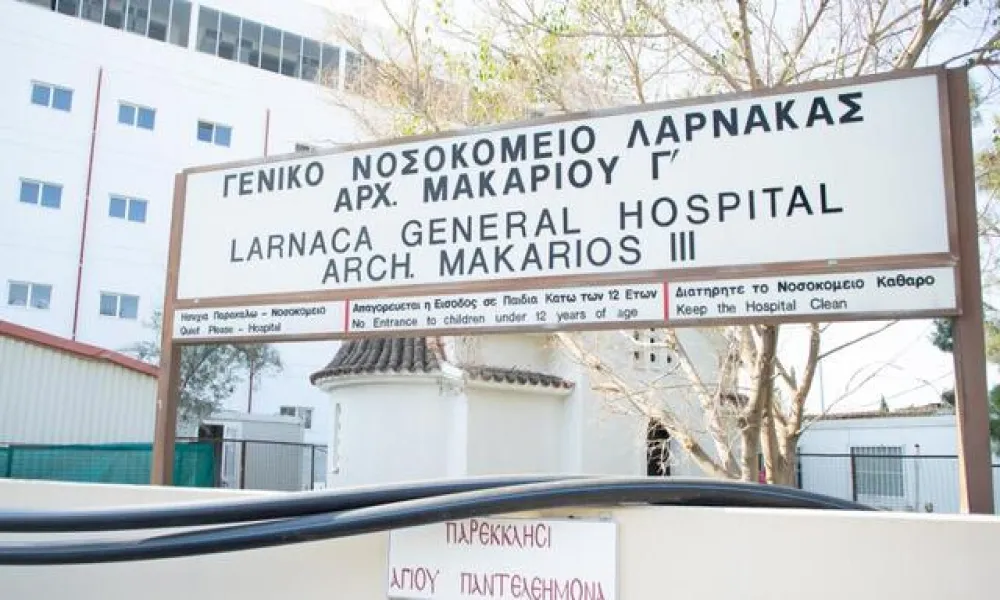
A family in Cyprus has filed a formal complaint after discovering that their father, whom they had been searching for for nearly two months, had died in hospital and was being held in the morgue of Larnaca General Hospital.
The case was brought to light by Sigma’s morning programme Protoselido and has raised serious questions over procedures at public hospitals, particularly around patient registration, communication with relatives and the handling of personal belongings.
According to the deceased man’s son, Klavdios Antoniou, his father was admitted to hospital on 19 March without informing his family. He had been diagnosed with cancer but had not told his relatives.
“He wanted to go through it alone. He did not want people around him helping him,” his son said, explaining that his father was an independent person who often travelled or spent long periods abroad.
When relatives contacted the hospital a few days later, they were reportedly told that no patient by that name had been registered in the system. The family then began searching for him through hospitals and services, without success.
The family said it received the devastating news on 21 May, after police intervention finally led to the man being traced. He had reportedly died on the morning of 26 March.
Questions over procedures
The family claims the man was found among unclaimed bodies at the hospital morgue and alleges serious omissions by the relevant services.
His son said there had been a complete lack of communication with the family and raised concerns over the handling of the deceased man’s personal belongings, saying not all of them were returned to his relatives.
The family has submitted an official complaint to the State Health Services Organisation, calling for a full investigation into the case and answers over why relatives were not informed about a hospitalised patient.
The son described the case as one of serious institutional failure and said accountability was needed. He argued that his father’s case shows the urgent need to improve procedures in public hospitals.
“Indifference cannot go unpunished. We were celebrating Easter while our father was dead,” he said.
He also expressed doubts over the information he received regarding the cause of death, saying he was later given a hospital document referring to “aggressive cancer”.