
Donald Trump arrives in the UK for a rare second ‘state visit’ this week. Expect full royal ceremony at Windsor Castle on Wednesday, followed by policy and politics at Chequers on Thursday - all under an extensive security operation designed to keep events away from central London flashpoints. Much of the ceremonial spine mirrors what The New York Times outlines in its primer on state visits;
The pageantry: Windsor goes all-in
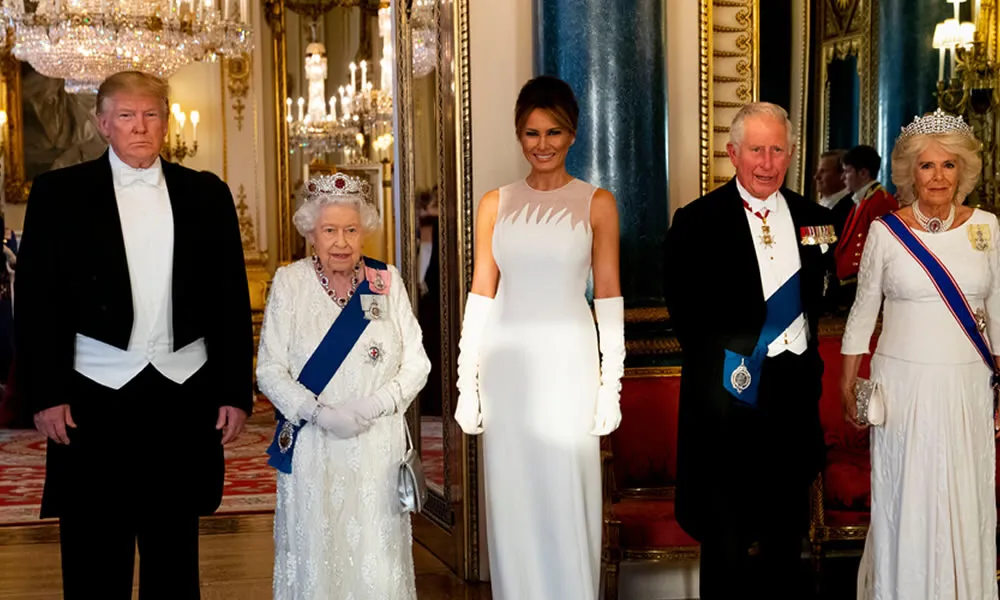
State visits are hosted by the monarch to showcase Britain’s soft power. For Mr Trump and the First Lady, that means: a Guard of Honour at Windsor Castle, a carriage procession inside the royal grounds, and a white-tie state banquet where the King toasts the President - and the President replies in kind. Expect a Red Arrows fly-past alongside US F-35s and a traditional evening ‘Beating Retreat’ ceremony of music and drill. (Beating Retreat is a 17th-century military ritual that evolved into today’s ceremonial display.)
Explainer: What is a ‘state visit’?
It’s the UK’s highest-honour visit, extended by the sovereign on the government’s advice. It’s distinct from an ‘official’ or ‘working’ visit because the palace leads the programme and hosts a formal state banquet. Only one or two happen each year, and a second invitation to the same leader is unusual.
The politics: why it matters
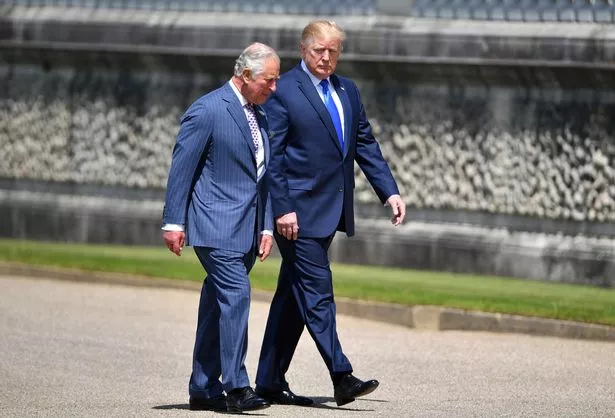
Ceremony aside, London’s goal is to lock in strategic alignment: Ukraine support, NATO cohesion after recent airspace incidents, and steadier transatlantic signals heading into a volatile period. Downing Street also wants progress on trade-and-investment-adjacent issues without sparking rows over Gaza policy, where London and Washington have diverged. (The New York Times notes the government sees the royal platform as a useful diplomatic tool with Mr Trump.)
The schedule: two days, two tracks
-
Wednesday - Windsor Castle: Ceremonial welcome, lunch with the royal family, fly-past and evening state banquet. The palace is pacing engagements carefully as Queen Camilla recovers from sinusitis, but she is still expected at key moments as The New York Times reports.
-
Thursday - Chequers: Talks with the Prime Minister, a joint press appearance, and a business-focused reception; a visit to the Churchill archives is also on the cards. Airspace restrictions and a large policing footprint cover both venues.
Explainer: Why Windsor, not Buckingham Palace and why Chequers?
Windsor Castle offers secure, self-contained grounds for arrivals, carriage moves and photo-ops. Chequers - the Prime Minister’s country residence - is where leaders hold working sessions away from the London bubble, often with a short press conference at the end.
Security and protests
Police have declared an exceptionally high security posture around Windsor, with fencing, mounted and canine units, drones, and specialist teams in reserve; airspace restrictions also apply at Chequers. Protest organisers plan rallies in Windsor and a London march to Parliament Square, though the core programme keeps the President away from central London.
Explainer: ‘Beating Retreat’ in one line
A sunset military ceremony that once signalled troops to withdraw to barracks; today it’s a pageant of music and drill on parade.