
The situation
On the third day of 2026, the United States of America implemented a military operation – months in the planning – to bomb parts of Venezuela and extract its head Nicolás Maduro, along with his wife Cilia Flores.
Two days later, on Monday, they were taken to a New York court where they pleaded ‘not guilty’ to narco-terrorism charges.
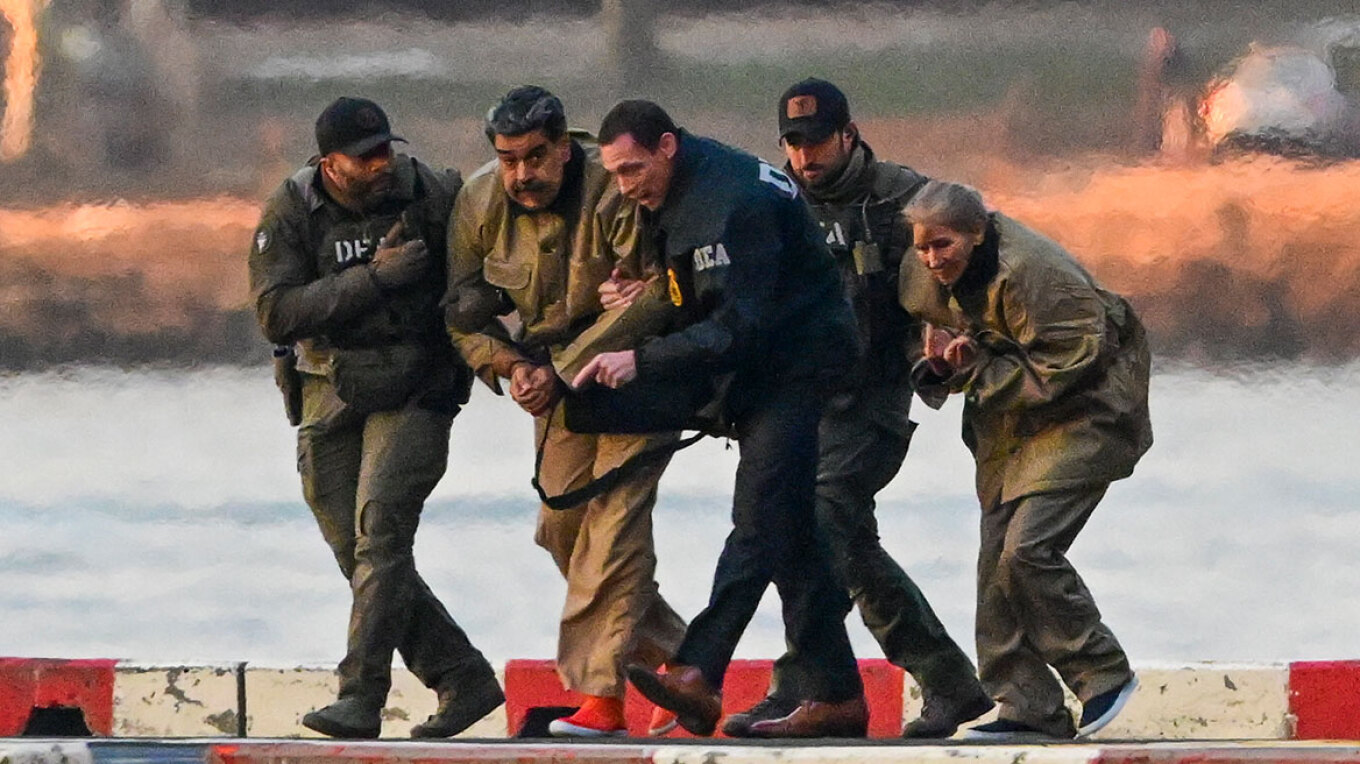
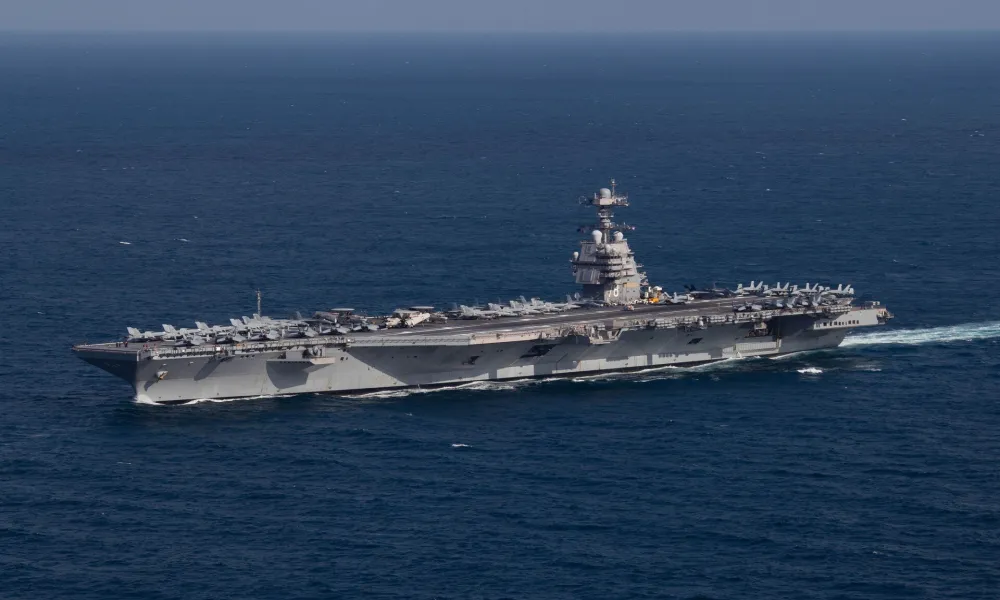
Prior to Maduro’s abduction, the US assembled a sizeable naval force in the Caribbean, and from September 2 to early January, carried out 35 known strikes on Venezuelan boats allegedly running drugs to the States, killing at least 115 people, including survivors of initial strikes.
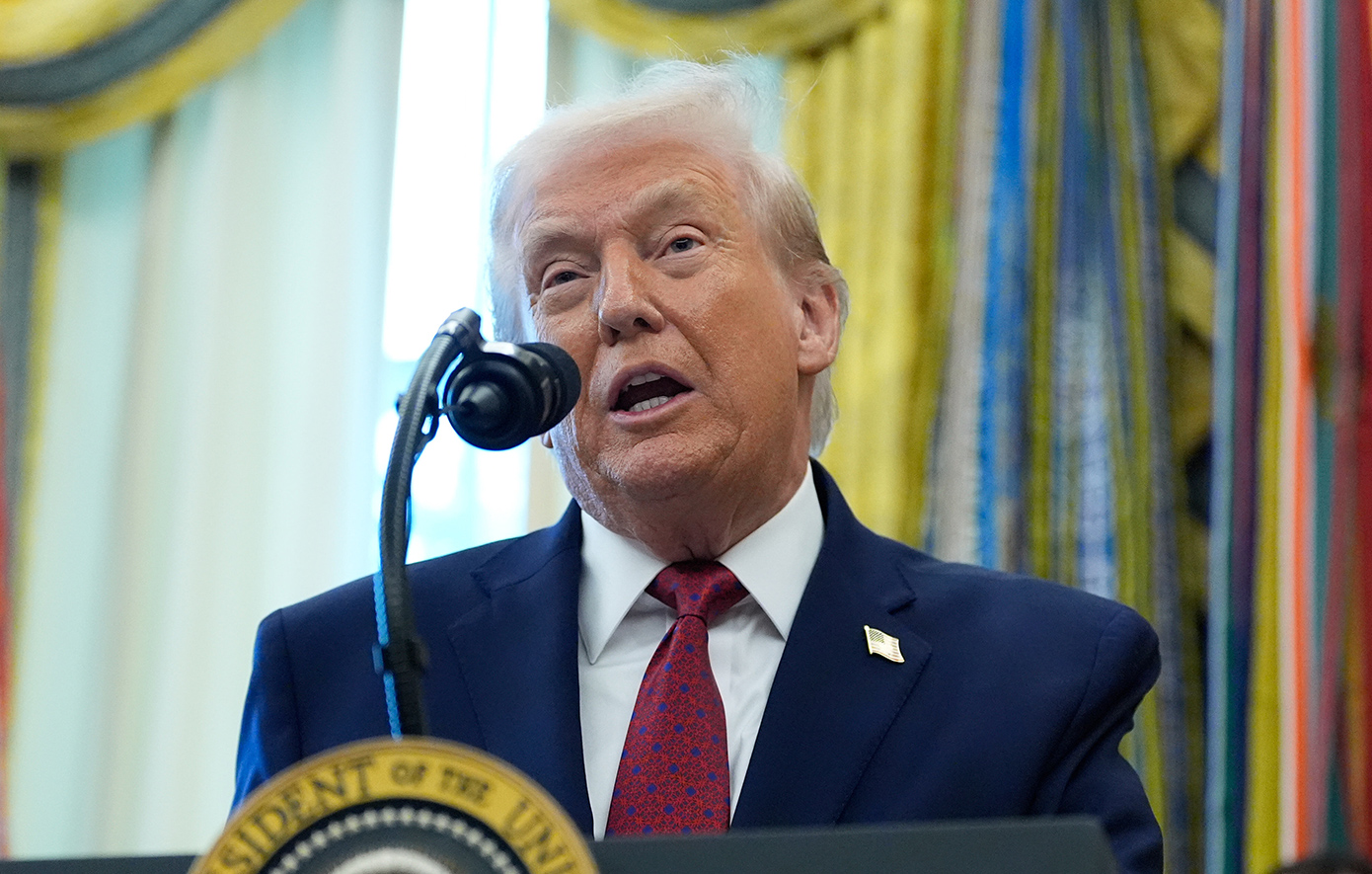
In the immediate aftermath of the Maduro extraction, US President Donald Trump said the country will effectively be run by the US, though for practical purposes, Venezuelan Vice President Delcy Rodríguez could take the reins. This came with a stark warning, however, to follow Washington’s lead. “If she doesn’t do what’s right, she is going to pay a very big price, probably bigger than Maduro,” said Trump.
Trump pledged the US will “make Venezuela great again”. In a swift shift from drugs to energy, he said US oil companies would invest heavily in the country to modernise its oil industry. The American president did not rule out using the US military again to ensure his objectives were met.
In his relabelling of the 1823 Monroe Doctrine as the “Donroe Doctrine”, Trump signalled that the US will maintain control over the Western Hemisphere.
But geography is not a limiting factor in Trump’s potential theatre of operations. Speaking to journalists aboard Air Force One on Sunday, he also issued a broad set of threats to Colombia, Cuba, Mexico, Iran and Greenland.
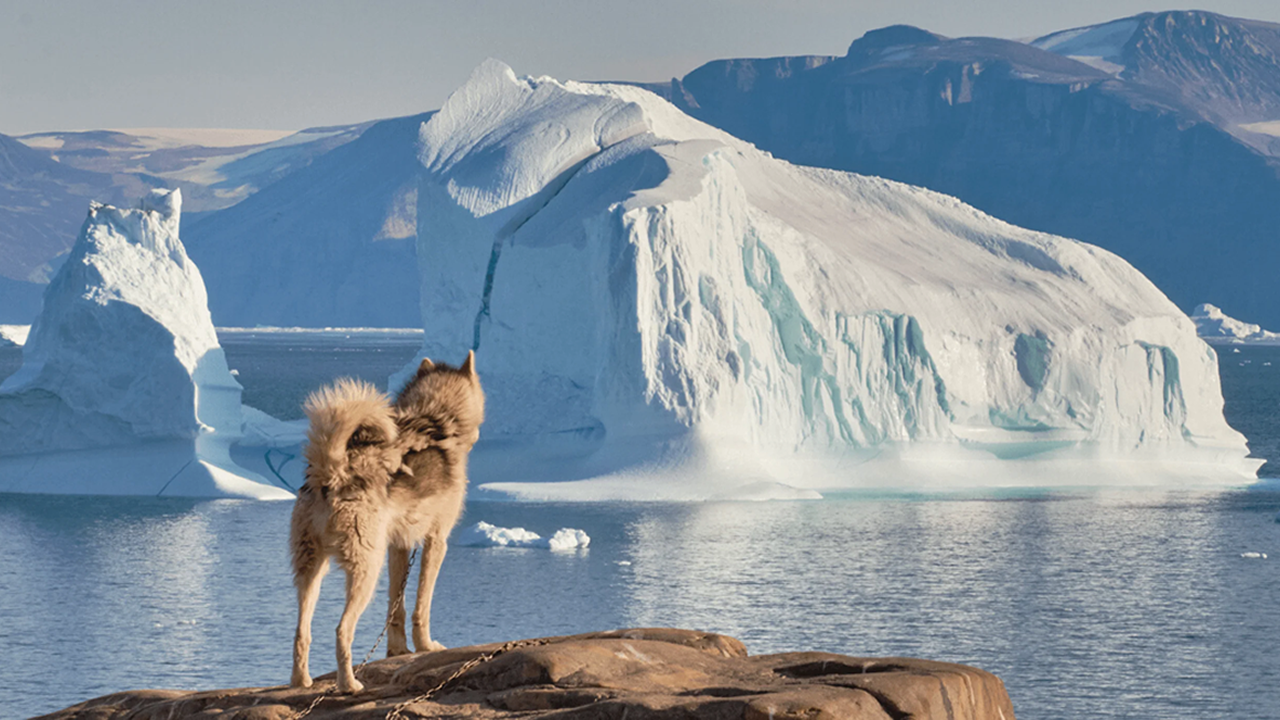
Regarding the Danish territory, which he described as being surrounded by Russian and Chinese ships, Trump said: “We do need Greenland, absolutely. We need it for defence.”
The reaction
European leaders were clearly uncomfortable with their most powerful ally’s actions. Despite the sheer audacity of what took place – with echoes of the US capture of Panamanian dictator Manuel Noriega in 1989 – and the intermingling narratives of law enforcement and energy exploitation, the European response was muffled. They focused on Maduro’s illegitimacy, having previously accused him of stealing the 2024 election. Tepid comments were also made about the need to respect the UN Charter and principles of international law.
Greek Prime Minister Kyriacos Mitsotakis decided “this is not the time to comment on the legality of the recent actions” while German Chancellor Friedrich Merz considered the US intervention as legally complex, requiring “careful consideration”. France’s Emmanuel Macron suggested the Venezuelan people could “only rejoice in” the end of the “Maduro dictatorship”.
It fell to UN Secretary-General António Guterres to say he was “deeply concerned that rules of international law have not been respected”.
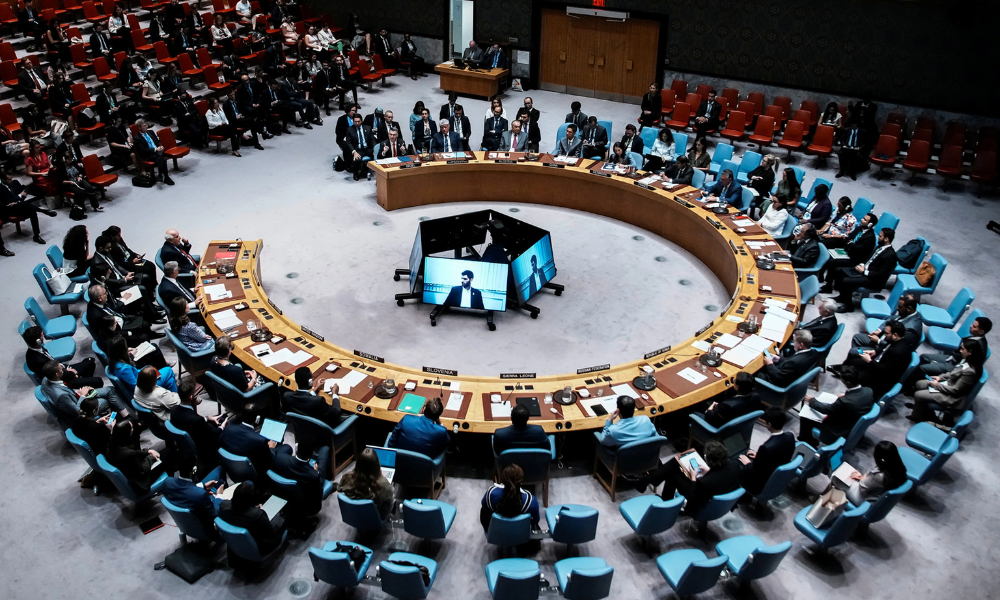
At the emergency meeting of the UN Security Council on Monday, China accused the US of trampling on Venezuela’s sovereignty and called on it to “cease its bullying and coercive practices”.
China’s representative to the UN Fu Cong said: “No country can act as the world’s police, nor can any state presume to be the international judge.”
The future
Politis spoke to academics and analysts closer to home about the potential impact of US actions, the subsequent threats issued to other parts of the world, and the possible response of liberal democracies. Not all wished to speak on the record.
International relations expert James Ker-Lindsay said the US strategy of “play nice with us or else” was “shocking in every way”. Much of the world will look at US actions and see them as completely illegal, he noted.
The academic argued that the world was essentially moving into “spheres of influence” but most countries do not want to feel they have to be part of one major power or another.
Missed opportunity
Europe was in a perfect place to provide a counterpoint to this, and take a global leadership role, working for example with the Association of Southeast Asian Nations (ASEAN) and the African Union to promote multilateralism, respect for small and large countries, economic interdependence, and a rules-based order, said Ker-Lindsay.
Instead, he said, “Europe failed in its response. It was an awful response because they cannot afford to alienate the US. They haven’t put the mechanisms in place to stand up to the US.”
Ker-Lindsay argued that Europe is stuck in a US security sphere and has little wiggle room, particularly while Russia’s invasion of Ukraine continues. Trump cares more about the Americas than what Moscow does in Europe, he said.
“If the US cuts off all aid to Ukraine, can Europe step up to that?”
Europe lacks strategic autonomy
Ker-Lindsay noted the “more immediate issue” of Greenland. If the US decided to grab the autonomous Danish territory, without even having to use military force, Europe would not be able to resist or challenge US domination. If they tried to impose a single sanction against America, Trump could pull US troops out of Europe and leave the continent on its own, he said.
The issue is not just about strategic military autonomy. It’s everyday life and commerce.
“What’s happened is, because we never anticipated this day, we baked weakness into the system. Europe controls a lot of global regulations, they call it the ‘Brussels effect’ and economically it is pretty strong, but all software systems that run commerce etc are American. US also dominates in medicine and innovation. Europe doesn’t have its own social media networks either,” he said.
The day Europe imposes sanctions, for example, Trump can order US tech companies to stop doing business with Europe, and impose tariffs.
What is required is broader strategic autonomy in different areas including commercial, argued Ker-Lindsay.
The academic berated Europe for consistently failing to prepare for this situation.
“The UK is exceptionally vulnerable in all this. After Brexit, it’s on its own, with a weakened economy that is not part of the single market.”
It’s not only Europe that’s vulnerable. There’s Cuba, Panama, and others. Ker-Lindsay argued, despite its illegality, US intervention in Venezuela sent a message to others about what can happen when you don’t fall in line.
Elsewhere, countries like China can look at what Trump did in his ‘sphere of influence’ and decide to unify with the separatist entity that is Taiwan. Russia can point to the hypocrisy and failings of the Western-created system of international law.
“The sad reality is Europe does not have many options as long as it is dependent on US defence and security. It needs much greater strategic thinking. It needs a plan. What is its vision? What message will it send to the rest of the world?”
Ker-Linsday added: “The paradox is, to create a more interdependent, less militaristic world, Europe needs to become more militaristic.”
Realpolitik at its ‘best’
An international relations expert who did not wish to be named said Trump read the international environment very well, in that neither China, Russia nor the EU would be willing to strongly oppose what he did, beyond verbal admonition.
Had the EU strongly criticised Trump, it would not change the outcome, but it would risk losing the US from the European security architecture, which the Europeans are not ready for – especially now that they see Russia as their number one threat. It’s realpolitik at its best, and Trump knows it, said the analyst.
In terms of playing a leading role in other parts of the world, the academic argued Europe has already lost the Global South.
The biggest danger now was that the US was setting a precedent in terms of narratives that could be adopted by revisionist powers elsewhere.
The analyst argued the US sent a very clear message: Nobody can play in my backyard, but if you want to mess around in your own backyard, and it doesn’t affect US strategic interests, then go ahead.
From now on, US dominance in Latin America – where China is a number one trading partner for many countries – is indisputable.
Decoupling
Asked what a red line would look like for the EU in terms of how far the US goes to pursue its interests, the academic argued the EU is not wired to contemplate America crossing a red line. But there is an effort to decouple from the US, both militarily and in terms of trade and technology. However, Europe is far behind the US in terms of technology and energy resources, making autonomy difficult to achieve. It also lacks the capacity or will to be a geopolitical player in an evolving international system.
“It’s not a clear multipolar system, but it’s a system in transition where old norms are not respected anymore. International law was never fully respected, but now, even less so. This unstable, transitional phase is very problematic.”
Trump gave Europe time to get their act together and create their own security and defence architecture, but Europe wasn’t listening, argued the academic.
Cyprus needs to be ready
Now, there is no security provider anymore. Collective alliances like NATO are being questioned. As a small state in a volatile region, Cyprus needs to be ready to read the narratives being built and analyse how this can potentially affect strategic shifts. It is extremely important for Cyprus to figure out how it can be useful for other countries in a way that they can provide a sense of security for Cyprus, said the academic.
Unfortunately, neutrality is dead. This creates a very uneasy situation for smaller states that are stuck between a rock and a hard place. Whether they like it or not, they need to choose sides and be a useful security player. Regional players will have a much bigger role to play, which is interesting for our region, said the academic.
Before, you had dominant powers acting like parents and sorting things out when the children fight. But if the parents have gone, it suddenly matters who’s the strongest child in the family.
With international law no longer a deterrence, small countries like Cyprus that rely so much on it for protection are in a dangerous position, said the analyst. For bigger countries, who also see trade being weaponised, they will likely turn to brute force or raw power, including the possibility of acquiring nuclear weapons.
‘International order crumbling’
Head of Politeia Think Tank Anna Koukkides-Prokopiou said it was not just a matter of international law or the clear violation of Venezuelan sovereignty. “It’s a matter of seeing the very same international order that the Americans themselves created crumbling before our eyes. This is what should concern us.”
It’s a watershed moment post-Second World War, she argued. There are no international norms, values or processes that countries could be asked to subscribe to once the Americans themselves override them.
Koukkides-Prokopiou pointed to a recent “very worrying” talk given in Cyprus by former US secretary of state Mike Pompeo, where he essentially said America has every right to do anything it needs to do to maintain its security against external threats that destabilise US society, e.g. drugs. This reflected a broader school of thought in Washington that ascribed to a new philosophy of security terms.
Ultimately, however, it boils down to transactional interests. Commercial interests too. As Trump noted, energy companies will be doing business again in Venezuela.
From a more cynical viewpoint, one could argue that what is happening is not so different to what went on in the past, suggested the academic. Despite the brute and bombastic flexing of muscles, the total disregard of norms and values of the international system, the difference with previous wars and interventions (such as in Iraq, Afghanistan, Latin America) is possibly that more effort was made to dress them up in legality.
Koukkides-Prokopiou noted that in Venezuela, Trump was signalling to China that Latin America was its in its sphere of interest. But how different is that to when Putin says his near abroad is his backyard, she asked.
On the question of Greenland, the academic argued that Europe’s whole existence relies on NATO to be the security provider, making it powerless to react if needed.
“Whoever provides security calls the shots. If Trump takes over Greenland, can they do anything? No.”
She added: “All this talk about strategic autonomy is just talk.”
The game has changed
Regarding Cyprus, the analyst said: “What worries me is that we have continued for a long time to use an outdated narrative, a fixation on UN Security Council resolutions and human rights, as a shield against an international system where might is right.”
While understandable, given the lack of other tools at its disposal, has Cyprus woken up to reality yet, asked Koukkides-Prokopiou.
“The discussions we are having about the Cyprus Problem are quite irrelevant to what is happening around the world. The wooden language used by politicians and detailed analysis about what they don’t accept and what happened in the past is so far from the realities of the international system. The rules have changed radically. We are playing ball in a different court altogether. We need to find a new narrative.”