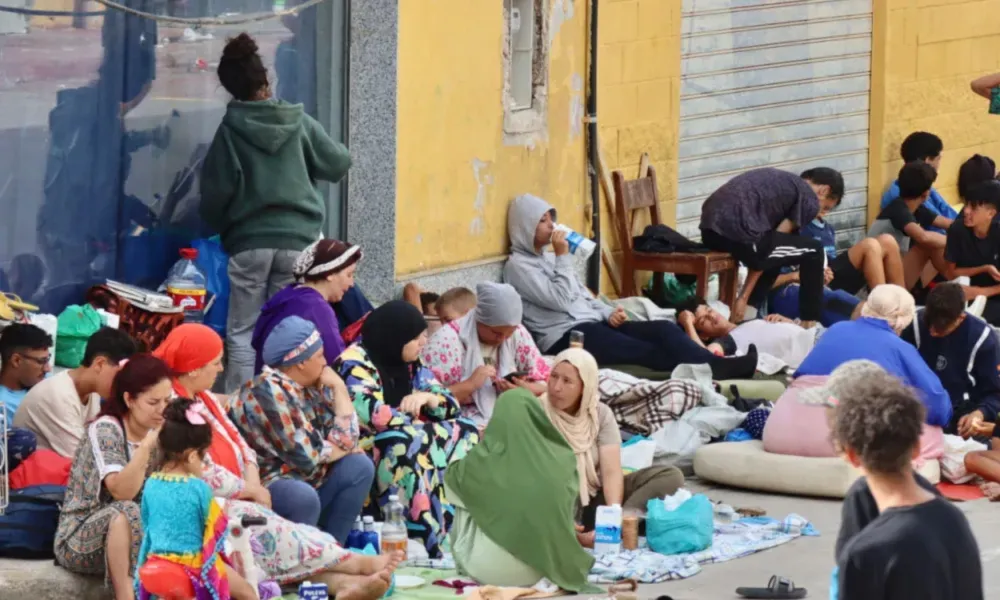

The European Commission has stepped up cooperation with Meta and TikTok following the events in Ceuta, where tens of thousands of people attempted to enter Spanish territory and a number lost their lives.
According to statements by European Commission Executive Vice-President Henna Virkkunen, the Commission held discussions with both platforms and urged them to take decisive action to protect the integrity of the digital space, particularly during times of crisis.
Virkkunen said closer monitoring of online content and stronger cooperation with fact-checking organisations were required, adding that discussions with the companies would continue.
A few days later, she announced that both Meta and TikTok had activated crisis-response protocols and launched an emergency cooperation mechanism with fact-checkers.
At the same time, the European Commission, Europol and the online platforms began exchanging information on a daily basis and intensified coordination efforts.
According to Virkkunen, the objective is to curb the activities of criminal networks that use social media to spread false promises and encourage people to embark on dangerous and irregular journeys to Europe.
Social media's role
The Commission's actions followed the events of 30 July, when more than 70,000 people reportedly attempted to enter Ceuta in a mass movement, with several deaths recorded.
According to Reuters, viral videos and social media posts played a significant role in mobilising people by creating the impression that large-scale border crossings were possible.
Some of the content circulating online reportedly included footage originally published by Spanish media outlets for different purposes, including reporting on growing migration pressures.
The material was later shared in different contexts online, helping spread messages suggesting that entry into Ceuta was achievable.
Virkkunen had previously stressed that online platforms must respond rapidly in such situations, arguing that protecting the digital space becomes especially important when misinformation can influence decisions that place lives at risk.
Contacts with Spain
Virkkunen also held talks with Spain's Minister for Digital Transformation, Óscar López, focusing on developments in Ceuta, efforts to prevent dangerous and irregular crossings, and measures aimed at protecting lives.
According to her statement, the discussion also covered implementation of the Digital Services Act (DSA) in Spain, with the European Commission expressing readiness to provide additional support where needed.
"We will remain vigilant," Virkkunen said, adding that cooperation with European agencies and online platforms would continue in an effort to counter networks that exploit vulnerable people by promising safe passage into Europe.
Ceuta and Melilla are the European Union's only land borders with Africa and have repeatedly been focal points for large-scale migration attempts by people seeking entry into European territory.
Source: Reuters