
By Christina Stavrinou
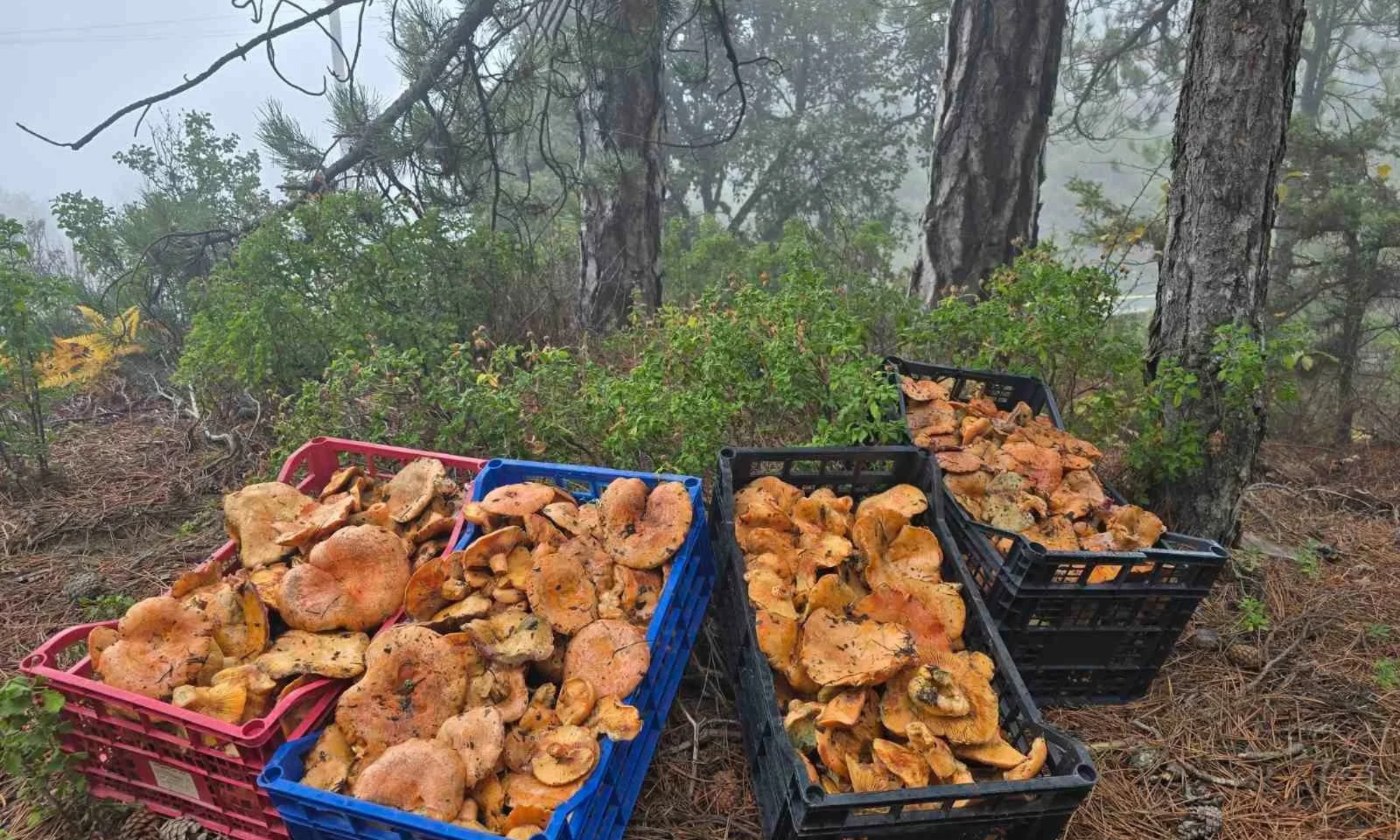
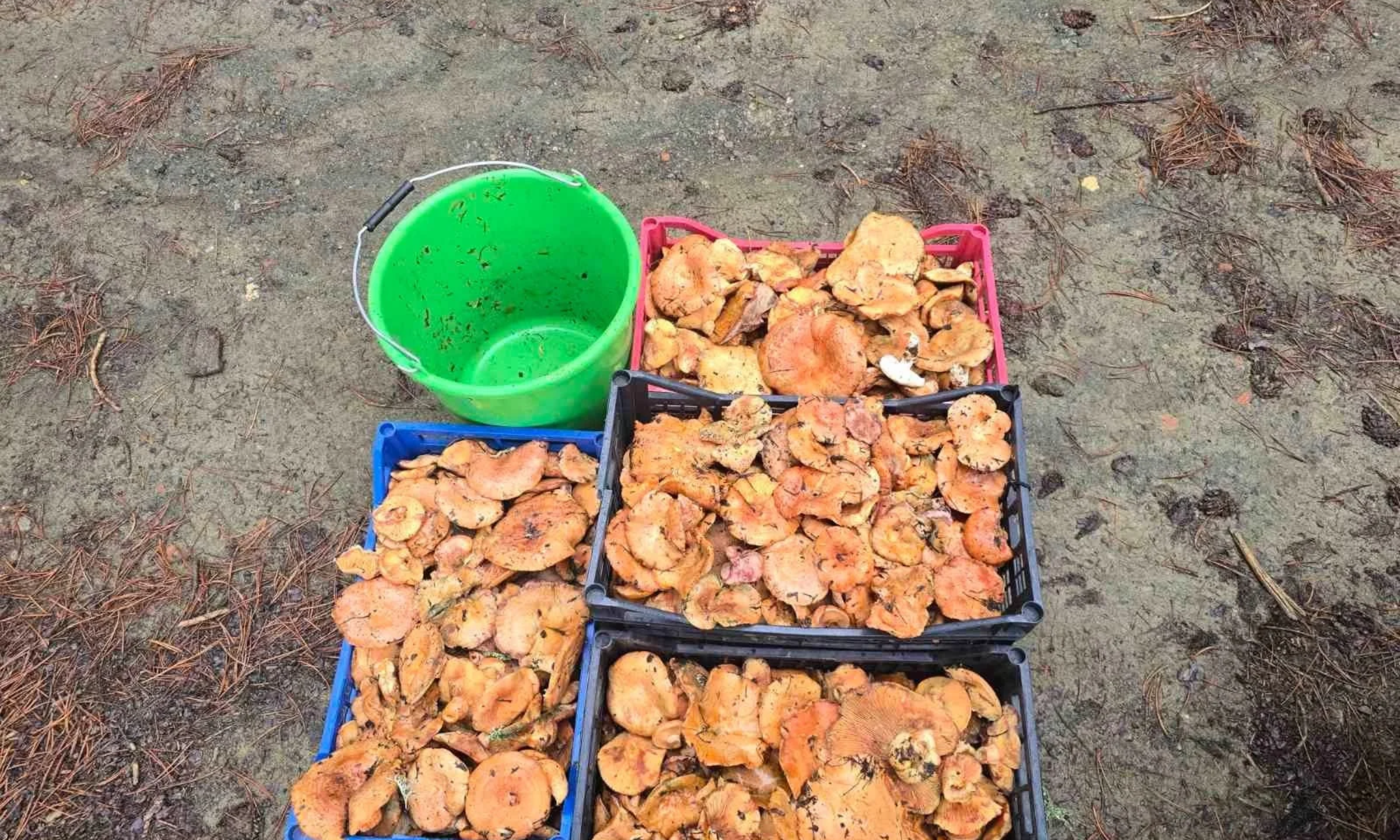
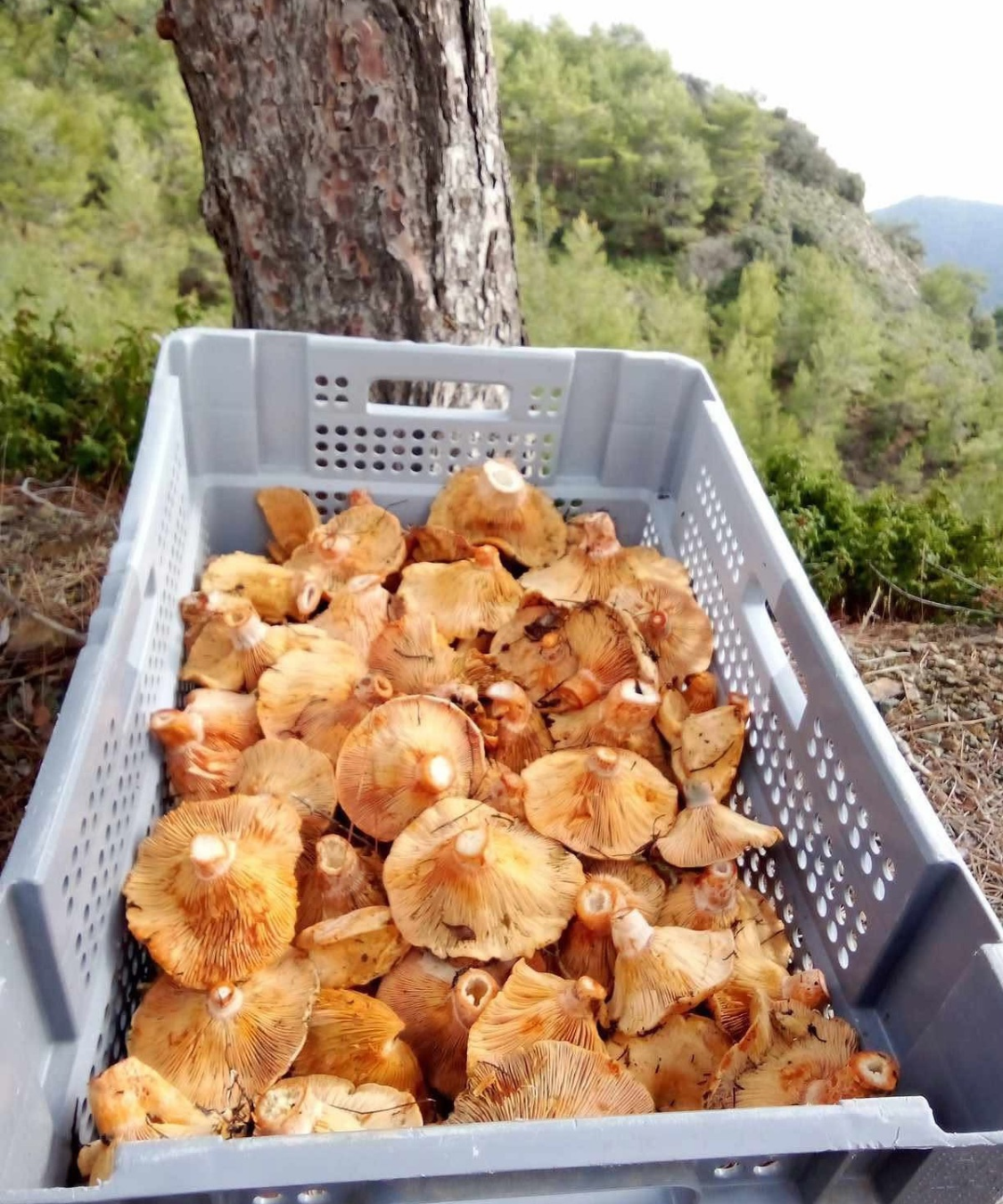
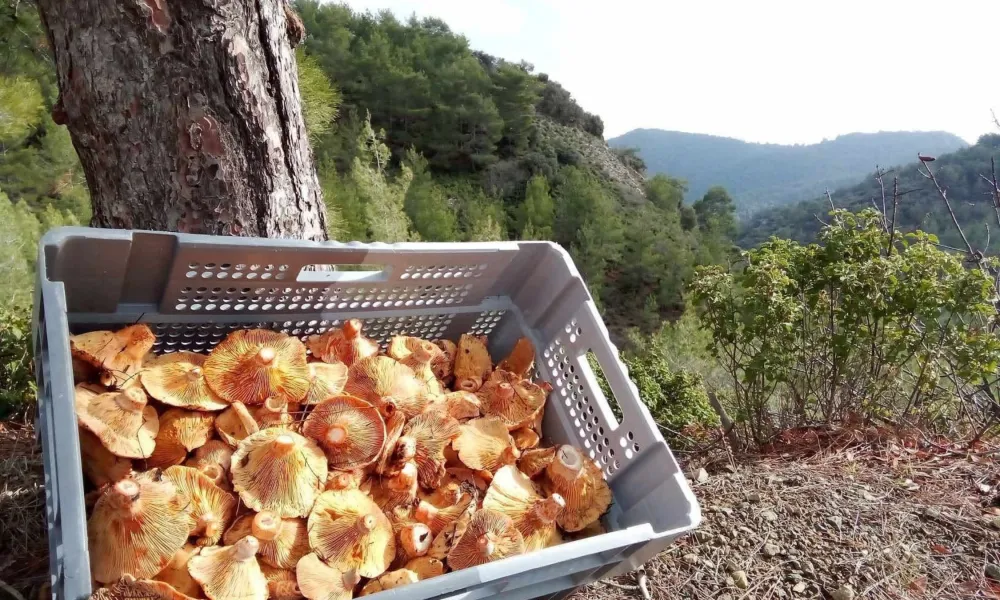
Mushroom picking remains a favourite seasonal tradition for many Cypriots, with enthusiasts heading into forests each year in search of edible varieties. This year's season, however, is attracting attention not only because of the abundance of mushrooms but also because of growing concerns about the impact of uncontrolled harvesting on forest ecosystems.
Speaking to Politis, Lefteris Solomou, a member of the Facebook group Mushroom Lovers of Cyprus and a mushroom collector with more than 20 years of experience, said mushrooms appeared earlier than usual and in significantly larger quantities this year.
Normally, the mushroom season runs from mid-September until February, but favourable weather conditions led to the first mushrooms emerging as early as August.
Prices cut in half
Asked about prices, Solomou said mushrooms are currently selling for around half last year's rates.
He attributed the drop to large quantities being collected and sold at lower prices by foreign residents living in areas where mushrooms grow naturally.
As a result, other collectors have had to adapt to market conditions, with prices now ranging between €10 and €15 per kilo, compared with €20 to €25 per kilo last year.
Abundance this year, shortages next year?
Despite this year's bumper season, Solomou believes mushroom availability could decline in the future because of damage caused by poor harvesting practices.
He said areas including Troodos, Prodromos, Vavatsinia, Mosfiloti, Sia, Kornos and Mathiatis traditionally produce mushrooms. While some locations are seeing exceptionally high numbers this year, others are not.
He pointed to Vavatsinia as an example, saying mushroom populations there have not recovered following damage caused during last year's season. He fears other areas could face similar problems in the years ahead.
How to collect mushrooms properly
In addition to correctly identifying edible species and avoiding poisonous varieties, collectors are urged to follow harvesting methods that do not harm forest ecosystems.
According to guidelines issued by the Department of Forests, the use of rakes, comb-like tools and similar equipment is prohibited because they disturb the soil and can damage the underground fungal network from which mushrooms grow.
Collectors are also advised not to remove leaf litter, including fallen leaves, small branches and other organic material that helps retain moisture in forest soils.
While leaves covering mushrooms may be moved carefully during collection, they should be replaced afterwards.
The department also recommends harvesting mature mushrooms that have already released spores, helping ensure future growth.