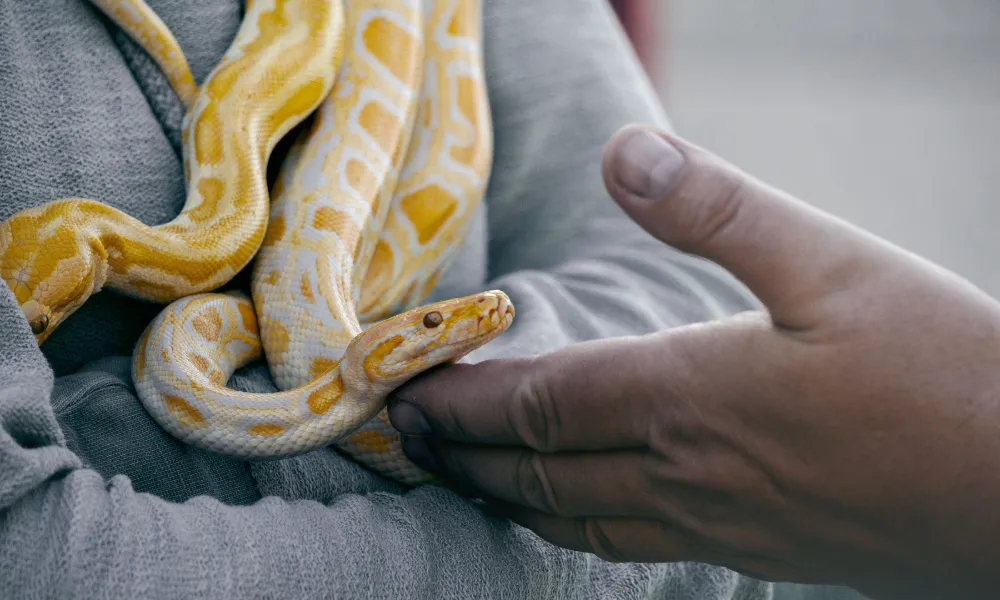

Restricting the number of species that can be kept as pets is key to safeguarding their health and that of humans, according to experts, who believe the most effective way to achieve this is through "positive lists" such as those to be published in Spain from next year under the Animal Welfare Law.
A day to raise awareness
Every 6 July, World Zoonoses Day is marked to raise awareness of the risks posed by diseases transmitted from animals to humans, which cause around 2.7 million deaths worldwide each year.
According to figures from the World Organisation for Animal Health, cited in a report by the Spanish agency Efe, 60% of pathogens that cause human diseases originate from domestic or wild animals, and 75% of emerging infectious human diseases are of animal origin. The wildlife trade is a decisive factor in the transmission of pathogens from animals to humans, according to a study published in Nature, in which experts from the United States and Europe analysed 40 years of data.
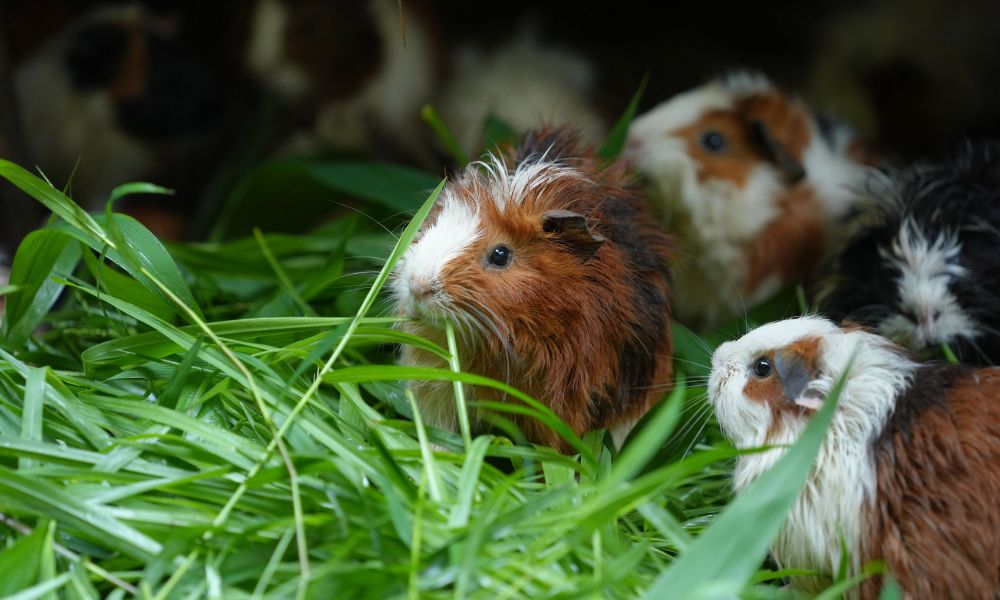
It is estimated that there are 8.7 million exotic pets in Spain, mainly birds (5 million), small mammals (1.5 million) and reptiles (1.4 million).
More species means more risks
Although dogs and cats also transmit diseases, the difference is that it is known which ones they may transmit and these are even regulated. The problem with exotic species is that there are so many that neither health professionals nor vets can know all the diseases they may carry and transmit, warned Hector Sanz Cabanes, a veterinarian specialising in wildlife and zoonoses.
Among the most popular exotic species, some can transmit very serious diseases, such as turtles, which are natural and asymptomatic carriers of salmonella and which, the expert noted, many people may not realise are more dangerous than food for salmonellosis infection, an intestinal infection.
Other species, such as primates, can transmit SIV, which is almost identical to HIV, the virus that if untreated can lead to AIDS, or STLV, which causes tumours.
Neither doctors nor vets are prepared
Mr Sanz Cabanes explained that neither the healthcare system nor vets are prepared. "A general practitioner (for conventional pets) is not prepared and does not know all the diseases that, for example, a primate may have, something that may now seem anecdotal because keeping them is banned in Spain, but this was not always the case," he said.
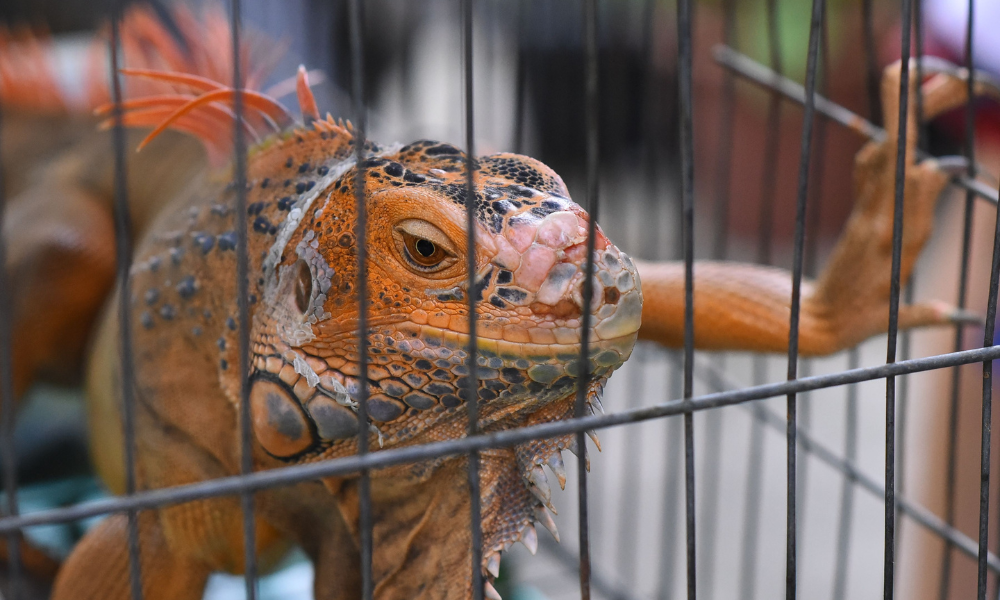
In addition, there are many species currently in fashion, such as sugar gliders or kinkajous, which can transmit "everything", and certain exotic birds, such as parrots, which can transmit psittacosis (chlamydia), which, if it affects the lungs, significantly increases the chances of pneumonia and death.
The importance of restriction
If veterinary care cannot be ensured for pets, then neither can the health of their owners, which, in the expert's view, can only be resolved by clearly restricting the species that can be kept. Experts explain that these positive lists are usually based on around 20 or 30 species, and there is no point in having many more.
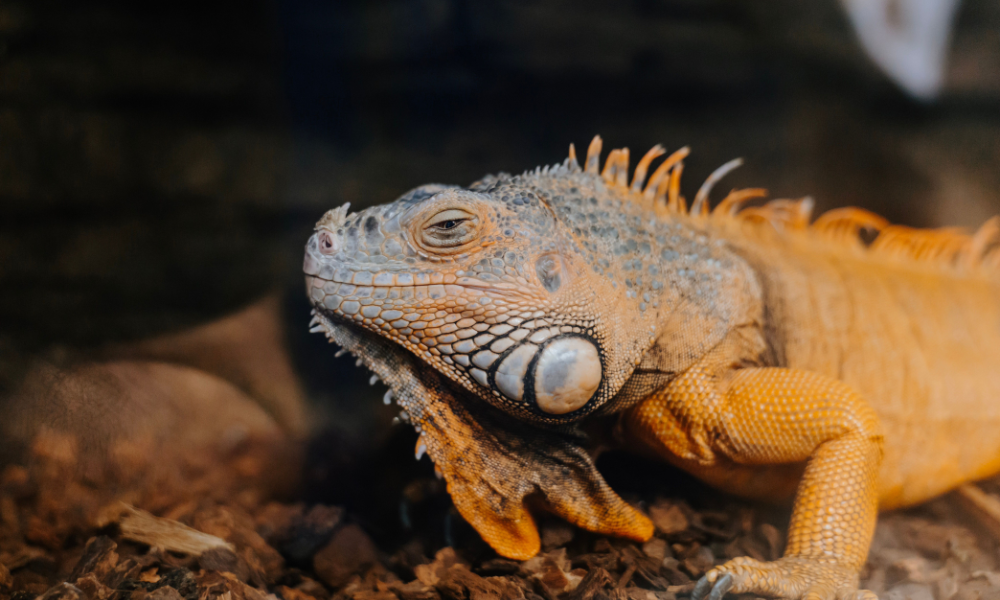
Among other matters, the risks that some exotic species may pose to human health are assessed, so that only those deemed non-dangerous for disease transmission are considered suitable as pets. Other factors are also analysed, such as public safety, environmental impact and animal welfare, namely whether good conditions can be ensured in a domestic environment and whether adequate nutrition or veterinary care can be provided.