
As schools break for summer, children across Europe are spending significantly more time gaming online. Europol, the European Union's law enforcement agency, has issued a guide urging parents to become active participants in that world rather than passive observers of it.
Gaming as a social space, not just entertainment
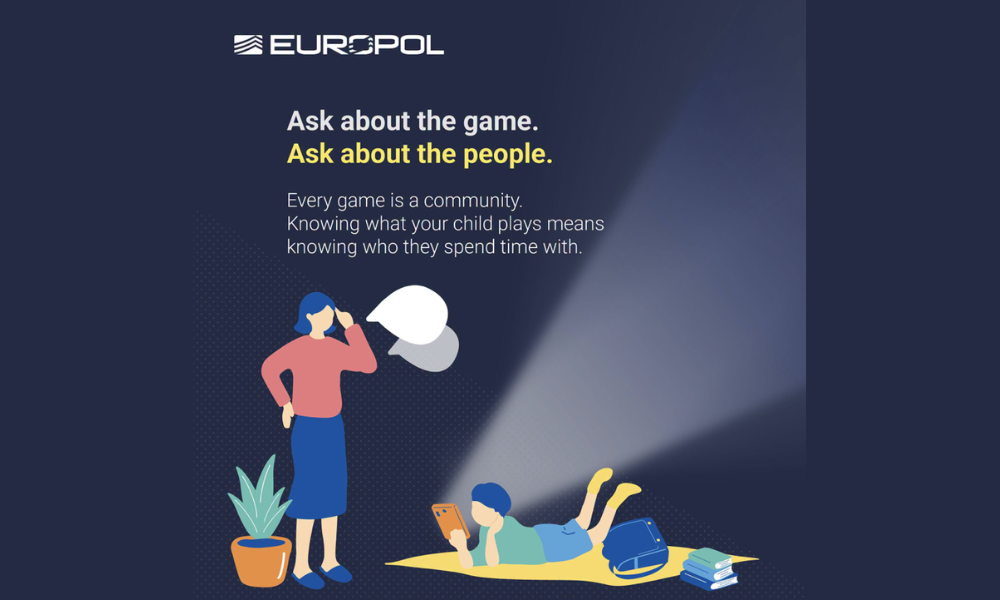
The guide's central message is that online gaming has become a social environment for children, not merely a pastime. Young players form friendships, build skills and spend hours in shared virtual spaces with strangers and peers alike. That same openness, Europol notes, can also expose children to risk.
Play alongside your child
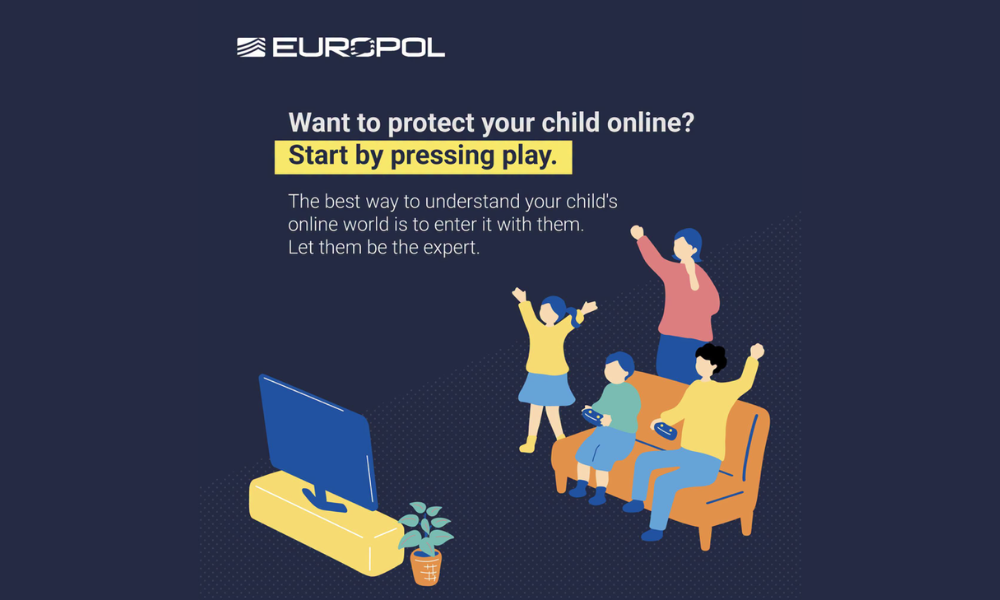
Europol's first recommendation is direct: sit with your child and let them teach you their favourite game. The agency advises against pretending to be skilled. Parents should let their children see them struggle, ask basic questions such as how a control works, and treat the exercise as a shared activity rather than a test.
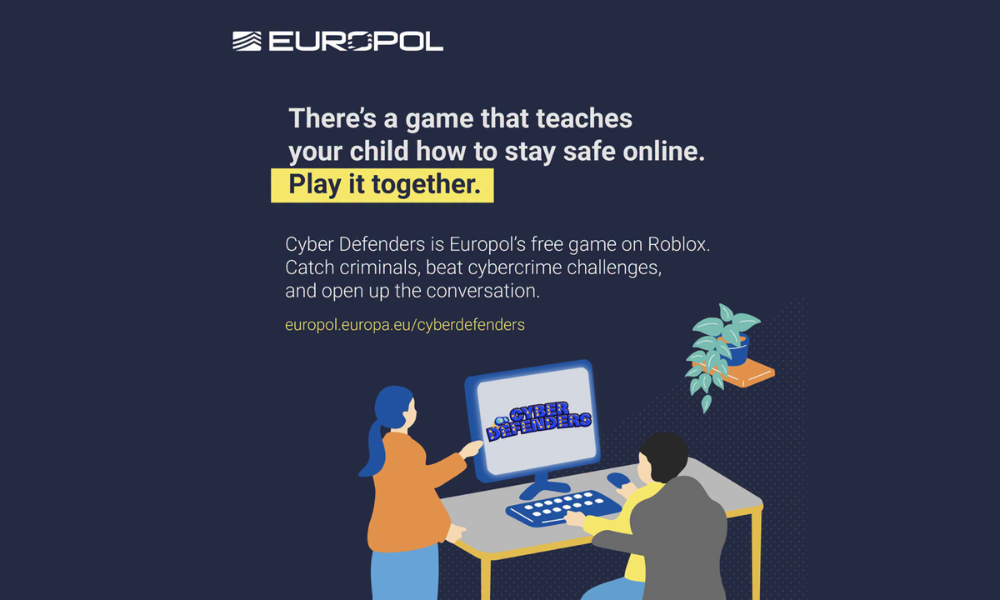
Show up, ask questions, listen
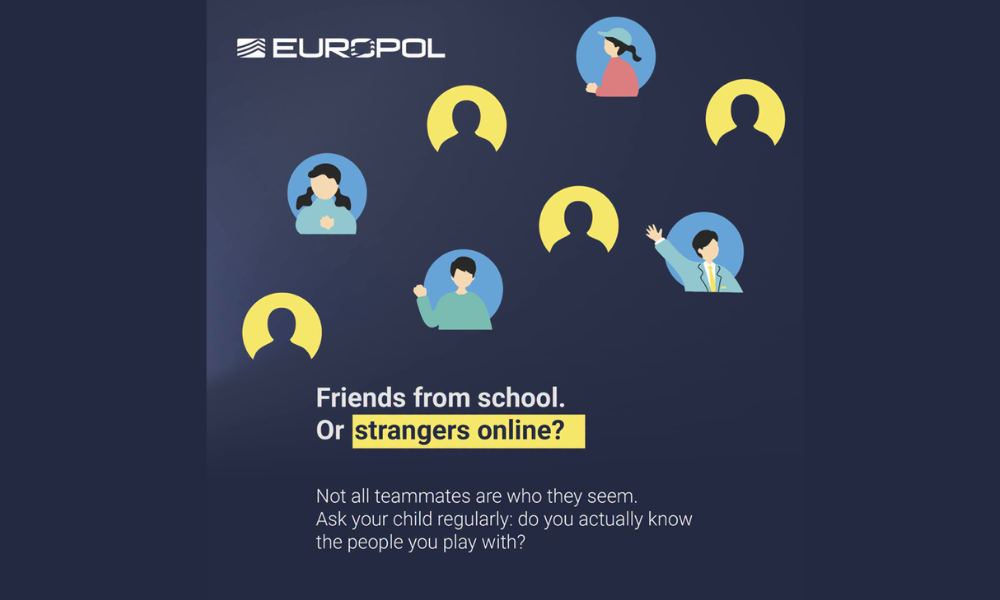
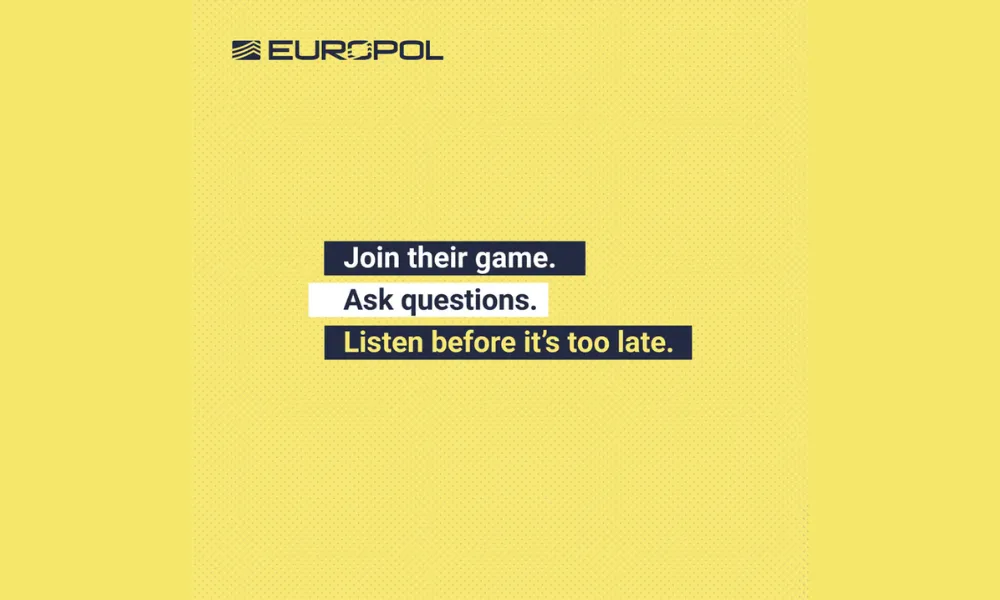
Europol frames its approach around three actions: playing in a child's world, asking questions about who they play with and what they experience, and listening without judgement. The agency stresses that parents do not need to master the technical side of gaming platforms to keep their children safer. Sustained attention and open dialogue, it says, matter more than expertise.
Practical steps for the summer months
Alongside direct engagement, child online safety guidance circulated by EU-affiliated bodies points to several supporting habits parents can adopt over the summer break:
- Keep consoles and devices in shared family spaces rather than bedrooms, making conversations about gameplay easier to initiate.
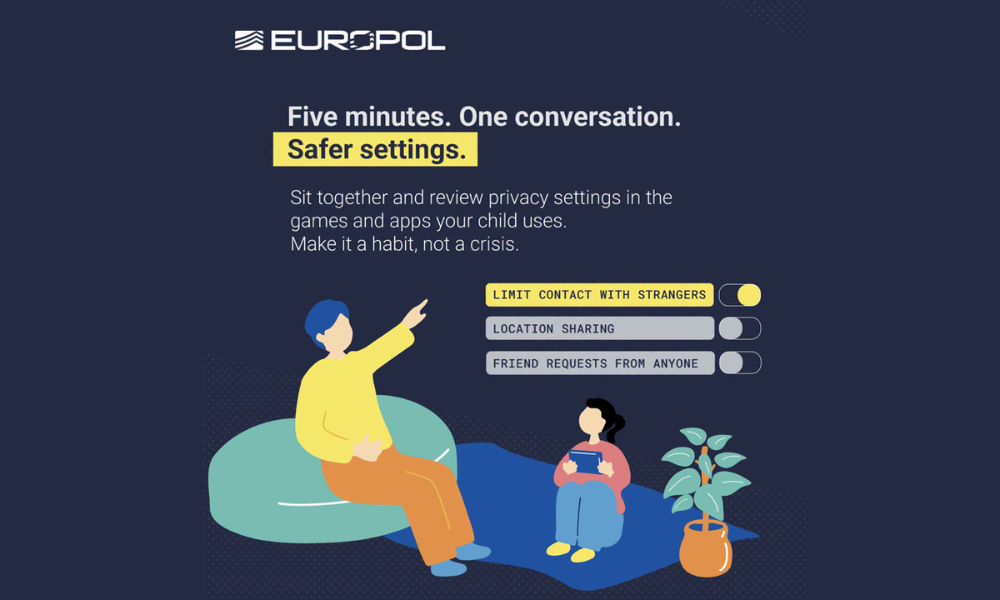
- Review privacy and parental control settings together, so children understand why the settings exist rather than experiencing them as restrictions.
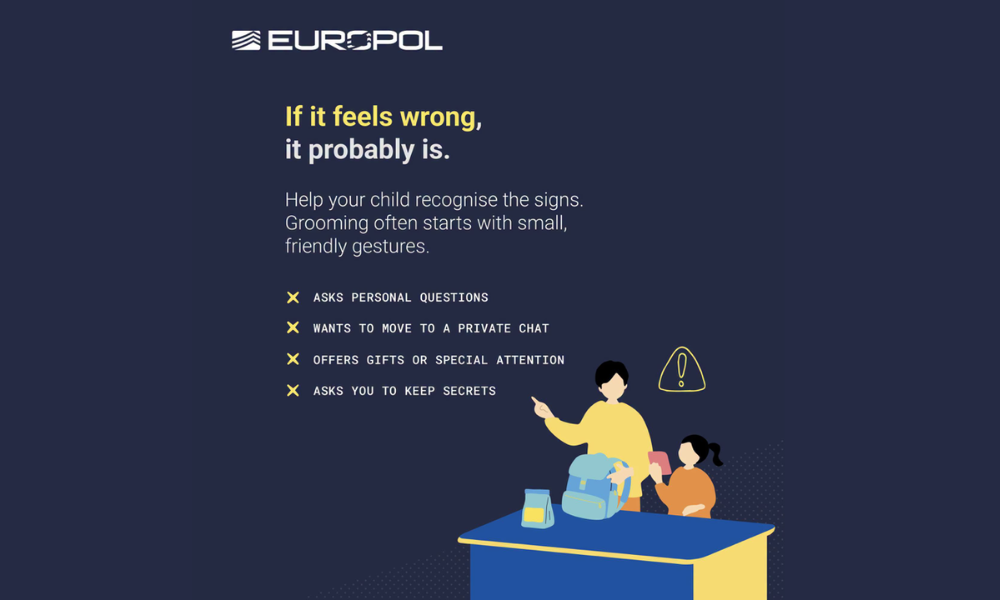
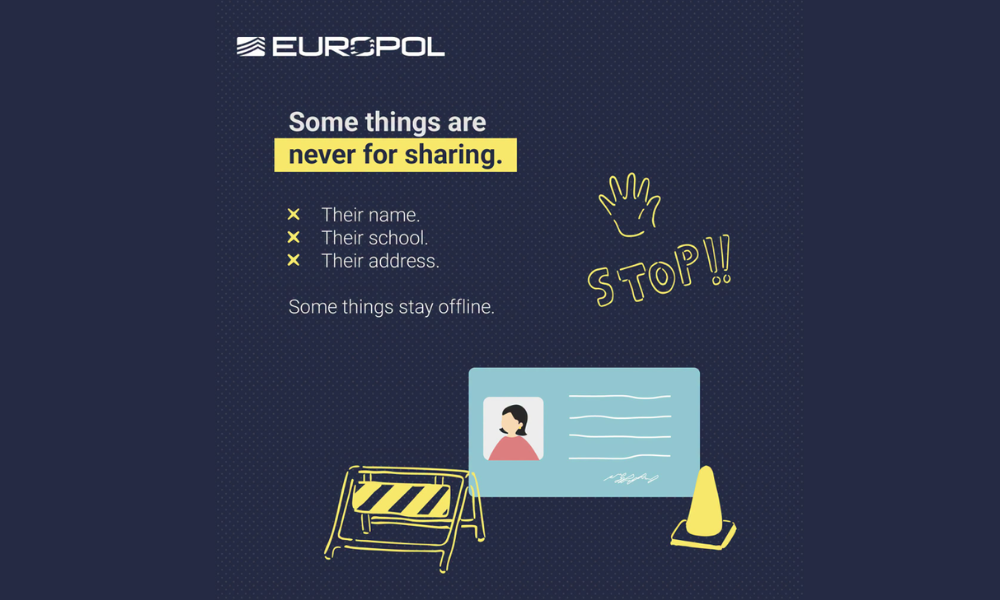
- Talk through what to do if a stranger asks for personal information, a gift, or secrecy, so children have a rehearsed response.
- Agree on time limits as a family routine, tying gaming time to a broader daily structure rather than an unlimited block.
A guide aimed at accessibility
Europol has published the guide as a shareable resource for parents, framed around nine practical tips in total. The agency is encouraging parents to distribute it within their own networks ahead of the summer months, when children's unstructured time online typically increases.