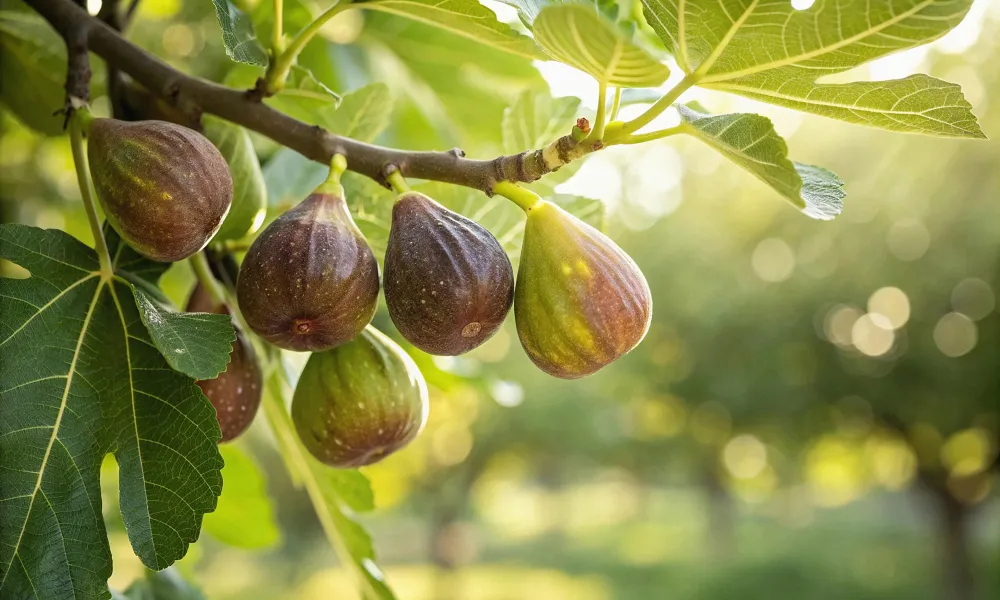

Sweet, fragrant and inseparable from the Cypriot summer, the fig is more than a pleasant addition to the table. The fruit offers fibre, potassium, magnesium and other essential nutrients, and can form part of a balanced diet.
Cyprus' fig varieties
Cyprus has several fig varieties, which differ in colour, size, taste and ripening season. The main ones are:
Smyrneika: a single-crop variety with a large, open eye and reddish, aromatic, sweet flesh. It requires pollination from a wild fig tree to ripen its fruit, and matures mainly from late July to August.
Vasilika: a variety with medium-sized, elongated fruit, deep purple-brown colouring and red flesh, known for its good flavour. The main harvest period usually falls within summer, from July to August.
Vazanata: a distinctive variety found in Cyprus, with medium to large fruit, purple-brown skin and flesh ranging from pale to red. It is vigorous and productive, ripening mainly during the summer months, with harvest typically extending from July to August.
Vardika or Vartika: a traditional Cypriot variety with pale green-white skin and red flesh. Its fruit is relatively large and flavourful, ripening mainly during the summer, usually from July onward.
Napolitana Negra: a dark-coloured variety of Italian origin also grown in Cyprus, with characteristically dark fruit and sweet flesh, harvested during the summer, mainly from July to August.
Gentile Bianca: a variety of Italian origin with pale-coloured fruit, visibly distinct from the darker varieties. It ripens during the summer, with the exact timing depending on the region and growing conditions.
Cyprus also has traditional local names for figs, including antelounika, lefkaritika, kotsinia or koutsina, kremotika and arkontika. Antelounika, for example, are described as large figs with pale skin, red flesh and a sweet-sour taste.
It is worth noting that the ripening period is not identical every year, as it is affected by variety, growing region, altitude and weather conditions, so references to specific months are indicative rather than fixed dates.
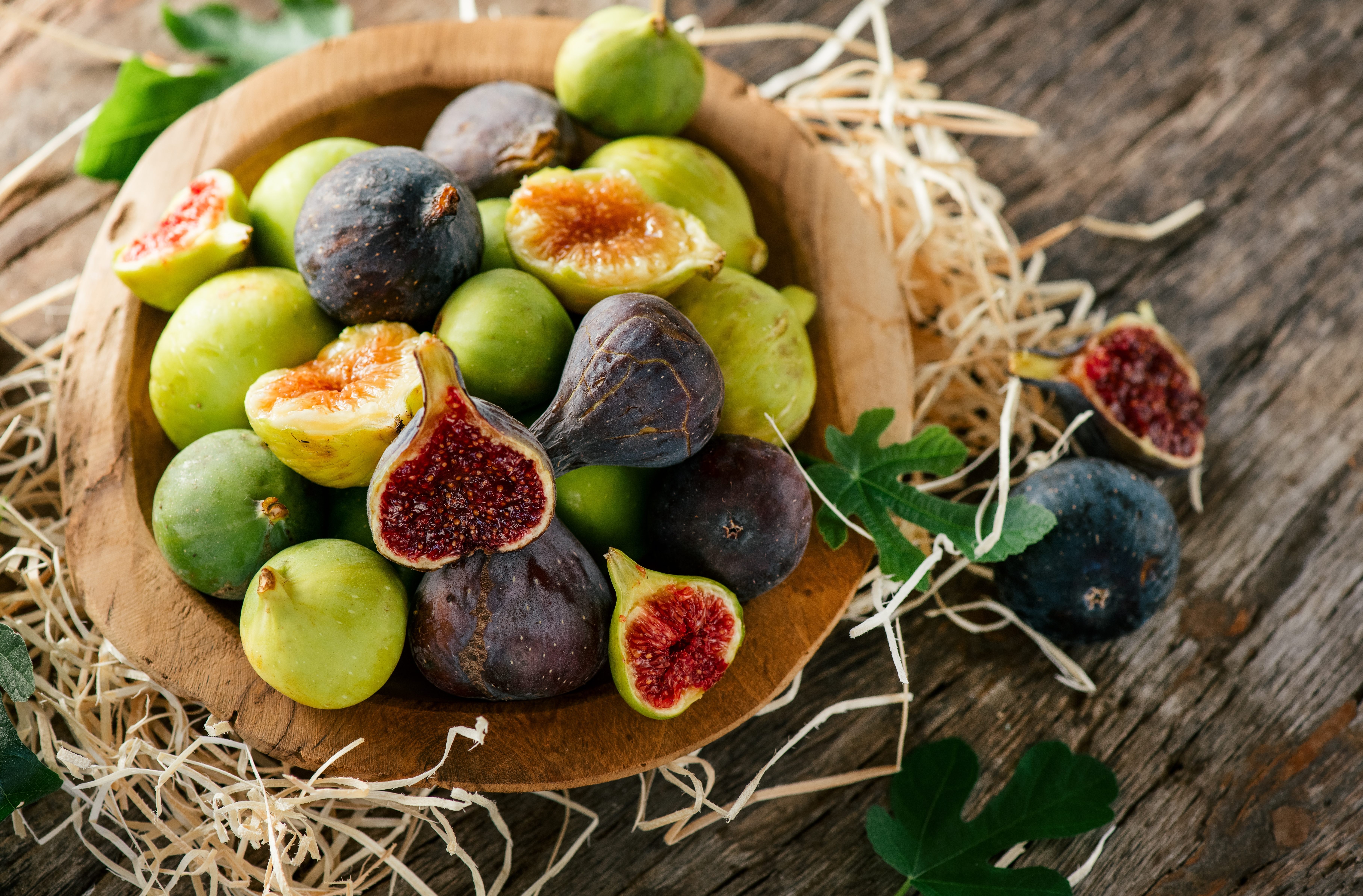
Nutritional benefits
One of the fig's most notable nutritional features is its fibre content. According to USDA nutritional data, 100 grams of fresh figs contain approximately 2.9 grams of fibre, which supports healthy digestion and can help with constipation by adding bulk to stool and easing bowel movement.
Figs are also a source of potassium, with 100 grams of fresh fig providing around 232mg. Potassium is an essential electrolyte that plays a significant role in muscle and heart function, and helps regulate blood pressure, partly by helping the kidneys excrete excess sodium.
Beyond potassium, figs contain smaller amounts of magnesium, calcium, iron, copper and manganese, along with vitamins including vitamin K and some B vitamins. While a single fig cannot on its own meet the body's daily nutritional needs, eating figs can contribute to overall intake of essential micronutrients.
A note on portion size
The fig's sweetness comes largely from its natural sugar content. 100 grams of fresh fig provides approximately 74 calories and 19.2 grams of carbohydrates, so, as with any fruit, portion size matters, particularly for those who need to monitor their overall carbohydrate and sugar intake.
Fresh versus dried
There is an important difference here. Drying removes much of the water content, concentrating both the nutrients and the calories and natural sugars. For comparison, 100 grams of dried figs provide approximately 249 calories and 9.8 grams of fibre, compared with around 74 calories and 2.9 grams of fibre in 100 grams of fresh figs. Dried figs are also a good source of potassium, but because they are more calorie-dense and concentrated, portion size requires greater attention.
Fresh figs can be eaten on their own or paired with yoghurt, nuts or cheese, or added to salads, making them a satisfying snack or part of a meal. As nutrition experts point out, no single fruit provides all the nutrients the body needs, so variety in fruit and vegetable consumption matters more than searching for any one "miracle" food. The fig remains a particularly flavourful summer fruit, offering fibre, potassium and other useful micronutrients, with fresh figs generally the lighter choice compared with dried.